
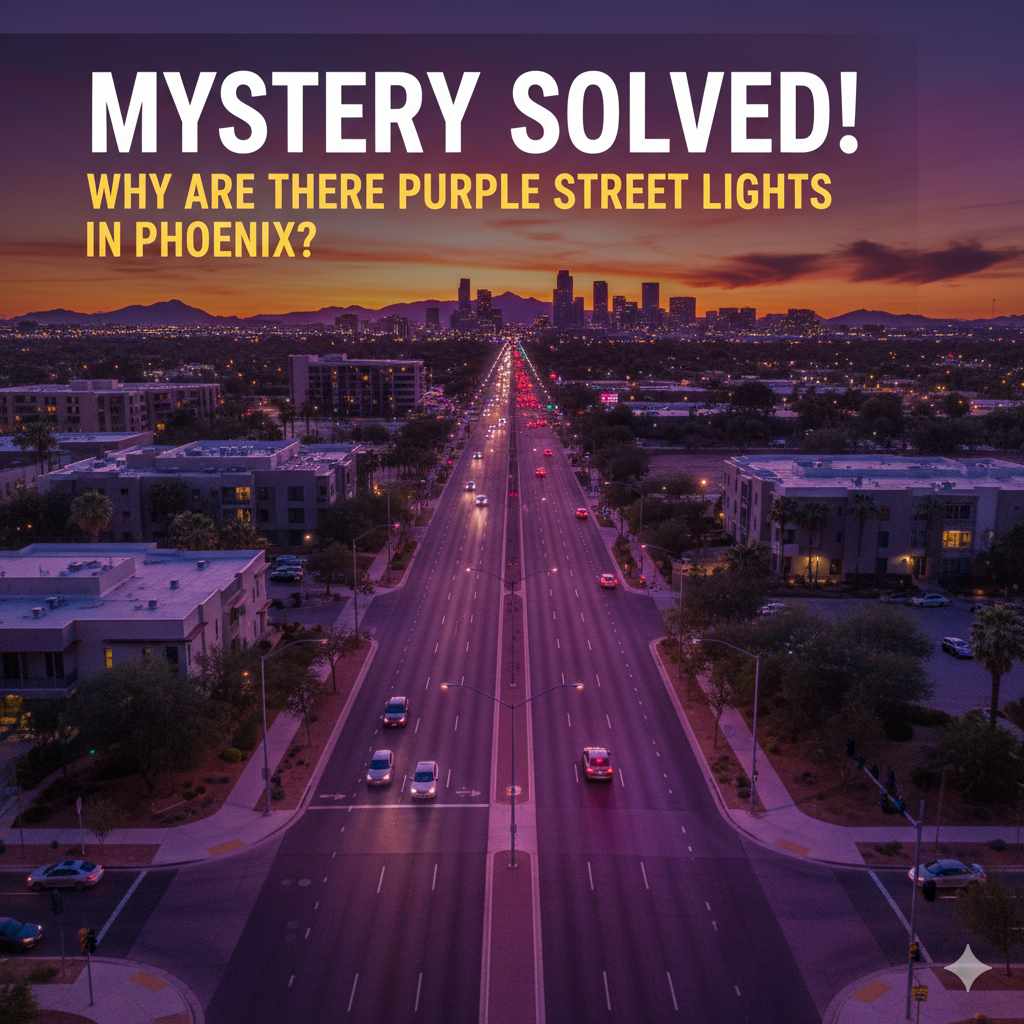
Quick Summary:
Phoenix’s purple street lights are a sign of aging LED bulbs. The purple hue indicates the phosphor coating is degrading, causing the light to shift in color. This is a common, harmless issue with older LED technology and doesn’t mean anything is wrong with the light itself.
Have you ever been driving through Phoenix at night and noticed some streetlights have a distinct purple glow? It can be a bit puzzling, right? You might wonder if it’s a special kind of lighting, a maintenance issue, or something else entirely. Don’t worry, it’s a common sight in many cities, and understanding why it happens is simpler than you might think. We’re going to break down this colorful phenomenon so you know exactly what you’re seeing. Let’s shine a light on those purple streetlights!
Understanding the Glow: The Science Behind Purple Street Lights
Those intriguing purple street lights in Phoenix are actually a fascinating glimpse into the life cycle of LED (Light Emitting Diode) technology. It’s not a deliberate choice or a sign of malfunction, but rather a natural process that occurs as the bulbs age. Think of it like a color shift as a tool gets older and starts showing its wear. This guide will help you understand the simple science behind it, making your late-night drives a little more informative.
How LED Street Lights Work (The Basics)
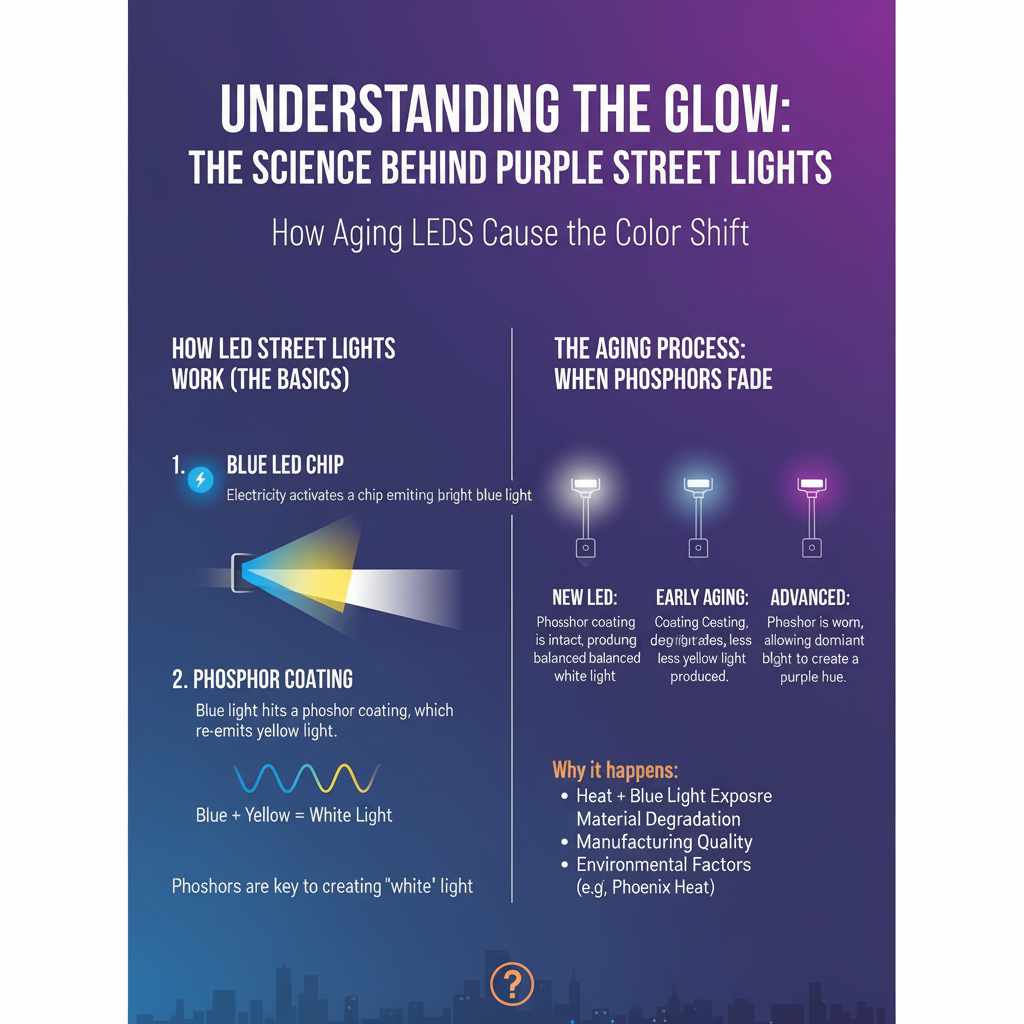
To understand why they turn purple, we first need a quick rundown on how most white LED streetlights produce light. It’s a clever two-step process:
- Blue LED Chip: At the heart of an LED streetlight is a small chip that emits a very bright blue light when electricity passes through it.
- Phosphor Coating: This blue light then shines through a special coating made of phosphors. These phosphors are designed to absorb some of the blue light and re-emit it as a warmer, yellow light. When the blue light and the yellow light mix, they create what we perceive as white light.
This is similar to how a projector screen might change the color of light. The quality and composition of this phosphor coating are key to getting the right shade of white light. Different mixtures of phosphors can create cooler whites (more blue) or warmer whites (more yellow).
The Aging Process: When Phosphors Fade
Over time, the constant exposure to heat and the intense blue light from the LED chip can cause the phosphor coating to degrade. It’s a bit like how a paint job can fade in the sun. As the phosphor coating breaks down:
- It becomes less effective at converting the blue light into yellow light.
- More of the original blue light passes through, and less yellow light is produced.
- The balance shifts, and the light starts to appear more blue, and eventually, a distinct purple hue.
This degradation isn’t uniform across all bulbs. Some might last for tens of thousands of hours without significant color change, while others might start to show the purple tint sooner. Factors like the quality of the manufacturing, the specific materials used, and the operating conditions (like extreme heat in Phoenix) can all play a role.
Why Phoenix and Not Everywhere Else?
You might be wondering if Phoenix is special or if there’s a specific reason you see this more often there. While the phenomenon of purple streetlights can happen anywhere with aging LED technology, certain factors can make it more noticeable in places like Phoenix:
- Age of Infrastructure: Cities that adopted LED streetlights earlier are now seeing the natural aging process of those initial installations. Phoenix has been proactive in upgrading its street lighting, so some of the earlier LED models are now reaching the end of their expected color-stable lifespan.
- Climate: Phoenix experiences high temperatures for a significant part of the year. Extreme heat can accelerate the degradation of materials, including the phosphor coating in LED bulbs. This means that the bulbs might age and change color a bit faster than they would in a cooler climate.
- Bulb Quality: Not all LED bulbs are created equal. Early versions of LED technology, or bulbs from manufacturers with less stringent quality control, might be more prone to this color shift.
It’s important to remember that this color change is a visual cue of aging, not a sign of imminent failure. The light is still functional and providing illumination, even if the color isn’t quite what it was when it was new.
Is It Dangerous or a Sign of a Problem?
This is a common concern, and the answer is a resounding no! The purple hue is simply an aesthetic change. It doesn’t mean:
- The streetlight is about to burn out.
- There’s an electrical fault.
- The light is unsafe.
The light output might decrease slightly as the bulb ages, but it’s still performing its primary function of lighting up the streets. The city’s public works departments are aware of this phenomenon and typically monitor the performance of streetlights. When a bulb truly fails or its light output drops significantly, it will be replaced.
The Lifespan of LED Street Lights
LED street lights are designed to be long-lasting, which is one of their biggest advantages over older lighting technologies like High-Pressure Sodium (HPS) or Metal Halide lamps. However, like any technology, they have a lifespan.
Typical Lifespan Expectations
A well-manufactured LED streetlight can last anywhere from 15 to 25 years, or even longer. This is often measured in operating hours, with many rated for 50,000 to 100,000 hours of use. To put that into perspective:
- If a streetlight is on for 12 hours a night, 100,000 hours is roughly 22 years of operation.
However, the “lifespan” can be defined in different ways:
- L70: This is a common metric, meaning the point at which the light output has degraded to 70% of its initial level. The light is still working, but it’s dimmer.
- Complete Failure: This is when the bulb stops working altogether.
- Color Shift: As we’re discussing, the point at which the color noticeably changes.
The purple tint usually appears well before the bulb reaches its L70 point or experiences complete failure. It’s often the first visible indicator that the bulb is aging.
Comparing LED to Older Technologies
It’s helpful to see how LED technology stacks up against its predecessors:
| Lighting Technology | Typical Lifespan | Color Consistency | Energy Efficiency |
|---|---|---|---|
| Incandescent | ~1,000 hours | Very Good (warm white) | Very Poor |
| High-Pressure Sodium (HPS) | ~24,000 hours | Good (orange/yellow) | Good |
| Metal Halide | ~10,000-20,000 hours | Fair (can shift color over time) | Fair |
| LED (Modern) | 50,000-100,000+ hours | Excellent initially, can shift to purple with age | Excellent |
While older technologies might have had their own color consistency issues (like metal halide lamps shifting to pink or green), the purple hue in LEDs is a specific characteristic of the phosphor degradation. The longevity and energy savings of LEDs generally outweigh this aging effect.
The City’s Perspective: Maintenance and Replacement
Cities like Phoenix are constantly managing their vast network of streetlights. The purple glow is something they are aware of and is factored into their maintenance schedules.
How Cities Manage Streetlight Issues
Public works departments typically use a combination of methods to ensure streetlights are functioning correctly:
- Citizen Reporting: Many cities have online portals or phone numbers where residents can report malfunctioning or unusual streetlights. This is a crucial first step in identifying problems. You can usually find this on the official City of Phoenix website under Public Works or Street Services.
- Scheduled Inspections: Crews conduct regular patrols to identify lights that are out, flickering, or exhibiting color changes.
- Automated Systems: Newer streetlight systems can be connected to a central management system that monitors their status remotely, alerting maintenance teams to issues automatically.
- Replacement Cycles: Based on the expected lifespan of the bulbs and their performance data, cities plan for regular replacement of older fixtures to ensure consistent illumination and prevent widespread failures.
The purple lights are usually not prioritized for immediate replacement unless they are also significantly dim or flickering, as they are still providing a functional level of light. The focus is typically on lights that are completely out.
When to Report a Streetlight
While a purple glow is normal aging, you should report a streetlight if you notice any of the following:
- Completely Out: The light is not on at all.
- Flickering: The light is turning on and off rapidly.
- Dimness: The light is significantly dimmer than surrounding lights, to the point where it’s not providing adequate illumination.
- Wrong Color (Other than Purple): If a light appears red, green, or an unusual color not seen in other aging LEDs.
- Physical Damage: If the streetlight fixture appears damaged or is leaning.
Reporting these issues helps keep the streets safe for everyone. For Phoenix residents, the City’s official website is the best place to find the current reporting procedures.
The Future of Street Lighting in Phoenix
Cities are always looking for ways to improve their infrastructure, and street lighting is no exception. Phoenix is likely to continue evolving its street lighting technology.
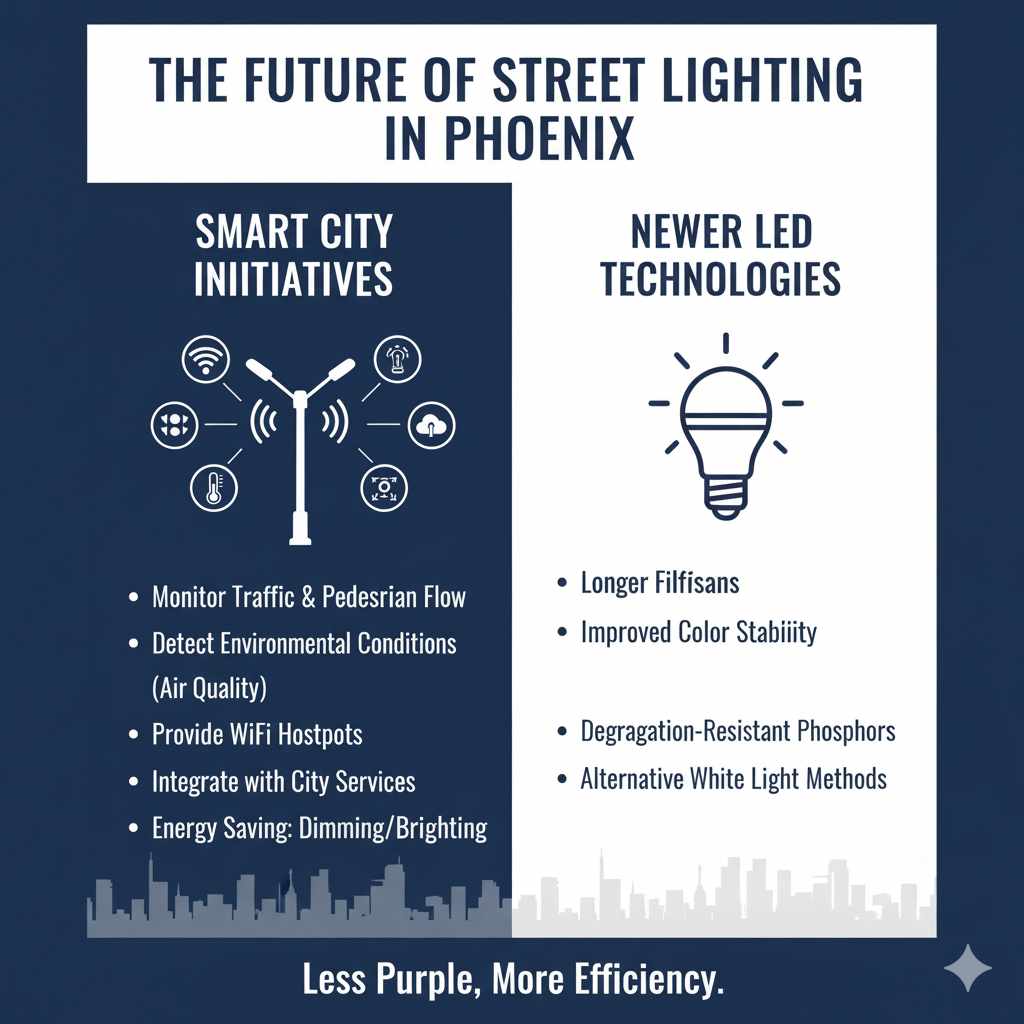
Smart City Initiatives
Many modern cities are moving towards “smart” streetlights. These aren’t just about providing light; they can be equipped with sensors and communication technology to:
- Monitor traffic and pedestrian flow.
- Detect environmental conditions (like air quality or noise levels).
- Provide Wi-Fi hotspots.
- Integrate with other city services for better management and efficiency.
These advanced systems can also offer better control over light intensity, potentially dimming lights when not needed and brightening them when activity is detected, further saving energy. They also provide more precise data on bulb performance, allowing for proactive replacement before color shifts become too noticeable or before bulbs fail.
Newer LED Technologies
The LED technology itself is constantly improving. Newer generations of LEDs are designed for even longer lifespans and better color stability. Manufacturers are developing phosphors that are more resistant to degradation, or using alternative methods to produce white light that don’t rely on phosphor coatings as heavily.
As Phoenix continues to upgrade its streetlights, you’ll likely see newer, more efficient, and more color-stable LEDs being installed. This means the purple glow might become less common over time as older bulbs are replaced with the latest technology.
Frequently Asked Questions (FAQs) About Purple Street Lights
Why do some Phoenix street lights look purple?
Phoenix street lights often appear purple because the LED bulbs are aging. The special coating inside the bulb that helps create white light is degrading over time, causing the light to shift from white to a blueish-purple hue. It’s a natural part of the LED’s lifecycle.
Is there something wrong with a purple streetlight?
No, a purple streetlight is not an indication of a problem or a malfunction. The light is still working and providing illumination. It simply means the LED bulb is getting older, similar to how a paint color might fade with sun exposure.
Are purple streetlights dangerous?
Purple streetlights are not dangerous. They do not pose any safety risks. The color change is purely aesthetic and does not affect the light’s ability to illuminate the street. The brightness may slightly decrease over time, but it remains functional.
How long do LED street lights typically last?
Modern LED street lights are designed to be very durable and can last for many years, often between 15 to 25 years. They are typically rated for 50,000 to 100,000 operating hours. The purple color usually appears well before the bulb stops working completely.
Should I report a purple streetlight to the city?
You generally do not need to report a streetlight just because it is purple. However, you should report it if the light is completely out, flickering, significantly dim, or if the fixture appears damaged. Reporting these issues helps the city maintain proper lighting for safety.
Why does heat make LED lights turn purple faster?
High temperatures, like those experienced in Phoenix, can accelerate the degradation of the materials within an LED bulb, particularly the phosphor coating. This heat stress causes the coating to break down more quickly, leading to the color shift to purple sooner than it might in a cooler climate.
Will the city replace all the purple streetlights?
Cities typically replace streetlights when they fail completely, become significantly dim, or when they are part of a planned upgrade to newer, more efficient technology. While the purple hue indicates aging, the lights are usually left in place until they reach a point where they no longer provide adequate illumination or are replaced during a broader infrastructure project.
Conclusion
So, the next time you’re driving through Phoenix and spot those distinctive purple streetlights, you’ll know exactly what’s going on. It’s not a mystery or a malfunction, but rather a visual sign of aging LED technology at work. These lights have served the city faithfully, and their purple glow is simply a testament to their long operational life. Understanding this phenomenon helps demystify the urban landscape and appreciate the subtle changes in our city’s infrastructure. As Phoenix continues to innovate with smarter, more efficient lighting solutions, the era of the purple streetlight might eventually fade, but for now, they’re a common and harmless part of the nighttime scenery.