
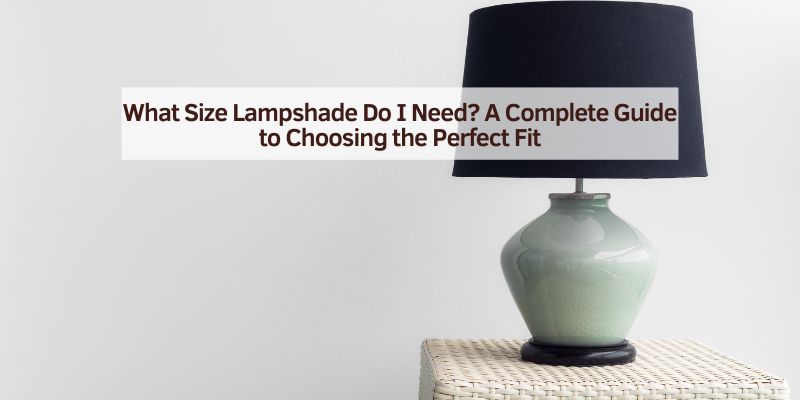
Hey there! So, you’ve got a lamp that’s begging for a new shade, but you’re wondering, “What size lampshade do I need?” I totally get it—picking the right lampshade can feel like a puzzle. I’ve been there, staring at my lamp, trying to figure out what size or shape will make it shine (pun intended!). Over the years, I’ve learned a thing or two about lampshades, and I’m excited to share my insights with you.
Whether you’re sprucing up your living room, bedroom, or even a cozy corner, this guide will walk you through everything you need to know to choose the perfect lampshade size. Let’s dive in and make your space glow with style!
Why Lampshade Size Matters
Let’s start with the basics. The size of your lampshade isn’t just about looks—it affects how your lamp functions and how it fits into your room’s vibe. A shade that’s too small can make your lamp look awkward, like it’s wearing a tiny hat. On the other hand, a shade that’s too big might overpower the lamp or even tip it over. I’ve made both mistakes before, and trust me, it’s worth taking a little time to get it right.
The right size lampshade does three things: it balances the lamp’s proportions, directs light where you need it, and ties the room’s decor together. Think of it like choosing the right pair of shoes for an outfit—it’s got to fit and flatter. So, how do we figure out what size works? Let’s break it down step by step.
Measuring Your Lamp for the Perfect Shade
Before you even think about shopping, grab a tape measure. I learned this the hard way after buying a shade that looked great online but was totally wrong for my lamp. Here’s how to measure your lamp to find the ideal shade size.
First, measure the height of your lamp base from the bottom to the top, just below the bulb socket. This gives you a starting point. Next, measure the width of the base at its widest point. These measurements are your guide for picking a shade that’s proportional.
As a general rule, the lampshade’s height should be about two-thirds the height of the lamp base. For example, if your lamp base is 18 inches tall, aim for a shade around 12 inches tall. The shade’s width should be roughly equal to the lamp’s height or slightly wider than the base’s widest point. This keeps everything looking balanced.
For table lamps, I like to make sure the shade doesn’t stick out too far over the table’s edge. For floor lamps, you’ve got a bit more wiggle room, but the shade should still look like it belongs. Got a skinny lamp? Go for a narrower shade. Chunky lamp? A wider shade will complement it better.
Understanding Lampshade Shapes and Their Impact
Lampshades come in all sorts of shapes—drum, empire, bell, square, and more. Each shape affects how light spreads in your room, and it also plays a big role in the overall look. I’ve experimented with a few shapes over the years, and here’s what I’ve found.
Drum shades are my go-to for modern spaces. They’re cylindrical, with equal top and bottom diameters, and they give off a clean, even light. They work great on sleek, minimalist lamps. Empire shades, which are wider at the bottom and taper toward the top, are perfect for traditional or classic rooms. They direct light downward, which is awesome for reading nooks.
Bell shades have a curved, elegant look and are great for vintage or ornate lamps. Square or rectangular shades suit contemporary designs, especially if your lamp base has sharp angles. I once paired a square shade with a round ceramic lamp, and it created this cool contrast that totally transformed my living room.
When picking a shape, think about your lamp’s style and the room’s vibe. A mismatched shape can throw off the whole look, so take a moment to visualize how it’ll all come together.
Choosing the Right Lampshade Size by Lamp Type
Not all lamps are created equal, and the type of lamp you have will influence the shade size you need. Let’s look at the main types of lamps and what works best for each.
Table Lamps
Table lamps are super common, and they come in all sizes. For a standard table lamp (about 24 to 30 inches tall), I usually go for a shade that’s 10 to 14 inches tall and 12 to 16 inches wide at the bottom. If your lamp is on a side table in a living room, make sure the shade doesn’t hang over the edge too much—it can look clunky and might get knocked over.
For smaller accent lamps, like those on a nightstand, a shade that’s 8 to 10 inches tall and 10 to 12 inches wide works well. I have a tiny lamp in my bedroom that’s only 15 inches tall, and a petite 8-inch shade fits it perfectly.
Floor Lamps
Floor lamps are taller, so they need bigger shades to stay proportional. For a floor lamp that’s 5 to 6 feet tall, I’d recommend a shade that’s 14 to 18 inches tall and 16 to 20 inches wide at the bottom. If your floor lamp has a thin, modern design, you can get away with a slightly smaller shade, but don’t go too small, or it’ll look out of place.
One time, I tried a massive shade on a skinny floor lamp, thinking it would make a bold statement. Spoiler: it didn’t. It just looked like the lamp was drowning. Stick to proportions, and you’ll be fine.
Desk Lamps
Desk lamps are all about function. You want a shade that directs light onto your workspace without being too bulky. For most desk lamps, a shade that’s 6 to 10 inches tall and 8 to 12 inches wide is ideal. If your desk lamp is adjustable, make sure the shade isn’t so big that it bumps into things when you move it.
How Room Size and Placement Affect Lampshade Choice
Where you’re putting your lamp matters just as much as the lamp itself. A lampshade that works in a cozy bedroom might look out of place in a spacious living room. Here’s how I think about room size and placement when picking a shade.
In small rooms, like a bedroom or home office, I lean toward smaller shades that don’t overwhelm the space. A shade that’s too big can make the room feel crowded. For example, in my small guest room, I use a table lamp with a 10-inch shade, and it’s just right.
In larger rooms, like a living room or dining area, you can go bolder with a bigger shade. A floor lamp with an 18-inch-wide shade can make a statement without looking out of place. Just make sure the shade doesn’t block the view or get in the way of furniture.
Placement matters too. If your lamp is in a corner, a wider shade can help spread light across the room. If it’s on a console table against a wall, a narrower shade might work better to keep things streamlined.
Lampshade Fittings: Getting the Connection Right
Okay, this part tripped me up the first time I shopped for a lampshade. Not all shades fit all lamps! The fitting—how the shade attaches to the lamp—is super important. Here’s what you need to know.
Most lampshades use one of three fittings: spider, uno, or clip-on. Spider fittings are the most common. They sit on top of the lamp, with a harp (a metal frame) holding the shade in place. Check the diameter of the harp to make sure the shade’s top ring fits snugly. Uno fittings attach directly to the bulb socket, often used in pendant or floor lamps. Clip-on shades, as the name suggests, clip right onto the bulb, usually for chandeliers or small lamps.
I once bought a gorgeous shade only to realize it had an uno fitting, but my lamp needed a spider fitting. Total bummer. Double-check your lamp’s fitting before you buy, and if you’re not sure, take a quick photo and ask the store staff.
Material and Color: How They Tie Into Size
The material and color of your lampshade can affect how big it feels in the room. I’ve learned this through trial and error. A dark-colored shade, like navy or black, can make a smaller shade seem more substantial because it blocks more light. A light-colored or translucent shade, like white linen, lets more light through and can make a larger shade feel less heavy.
Fabric shades, like cotton or silk, are versatile and work in most rooms. Parchment or paper shades give off a soft, diffused light, which is great for cozy vibes. Metal or glass shades are trickier—they’re often smaller and used for decorative lamps because they direct light in specific ways.
When choosing a material, think about the mood you want. In my dining room, I have a linen shade that softens the light for a warm, inviting feel. In my office, I use a metal shade to focus light on my desk. The size of the shade should complement the material—thicker materials can handle slightly larger sizes without looking bulky.
Common Lampshade Size Guidelines
To make things easier, here’s a quick reference table I put together based on my experience. These are general guidelines, so feel free to tweak them to suit your style.
| Lamp Type | Lamp Height | Shade Height | Shade Width (Bottom) |
|---|---|---|---|
| Small Table Lamp | 12–18 inches | 8–10 inches | 10–12 inches |
| Standard Table Lamp | 18–30 inches | 10–14 inches | 12–16 inches |
| Floor Lamp | 5–6 feet | 14–18 inches | 16–20 inches |
| Desk Lamp | 12–20 inches | 6–10 inches | 8–12 inches |
These sizes are a starting point. Always measure your lamp and consider the room’s style before making a final choice.
Tips for Testing and Adjusting Your Lampshade
Once you’ve got your new shade, test it out. I always place the shade on the lamp and turn it on to see how the light looks. Does it spread light evenly? Does it highlight the lamp’s best features? If the shade feels off, don’t be afraid to swap it out.
If the shade is too big, it might cast awkward shadows or overwhelm the lamp. If it’s too small, the bulb might stick out, which isn’t a great look. I once had a shade that was just a smidge too small, and it made the whole lamp look top-heavy. Swapping it for a slightly wider shade fixed everything.
If you’re unsure, take a step back and look at the lamp in the context of the room. Sometimes, moving the lamp to a different spot or changing the bulb’s wattage can make a big difference.
Mixing and Matching for a Custom Look
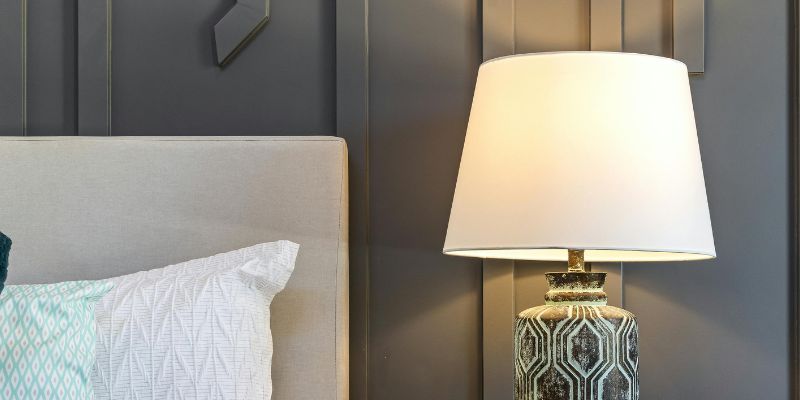
One of my favorite things about lampshades is how they let you play with style. Don’t be afraid to mix and match! A modern drum shade on a vintage lamp can create a cool, eclectic vibe. Or try a bold, colorful shade on a neutral lamp for a pop of personality.
In my living room, I have a pair of mismatched lamps with different shades—one’s a white drum, and the other’s a patterned empire shade. They don’t match perfectly, but they complement each other and make the room feel curated. Just make sure the sizes are proportional so the lamps don’t compete for attention.
Where to Shop for the Perfect Lampshade
Finding the right lampshade can be a treasure hunt. I love checking out local home decor stores for unique finds, but online retailers like Amazon, Wayfair, and Target have tons of options too. If you’re into custom shades, check out Etsy for handmade designs or even consider having one made by a local artisan.
When shopping online, read the product dimensions carefully and check reviews for tips on fit and quality. I’ve been burned by shades that looked amazing in photos but felt cheap in person. If you’re shopping in-store, bring your lamp’s measurements and a photo to compare options.
Conclusion: Light Up Your Space with Confidence
Choosing the right lampshade size doesn’t have to be a headache. By measuring your lamp, considering the room’s style, and picking a shape and material that vibe with your space, you can find a shade that’s both functional and beautiful. I’ve had so much fun experimenting with lampshades over the years, and each one has taught me something new about balancing form and function. Whether you’re updating a single lamp or redoing a whole room, the right shade can make all the difference. So go ahead, grab that tape measure, and find the perfect fit. Your lamp (and your room) will thank you!
FAQs
What if my lamp is an odd shape or size?
No worries! For unique lamps, measure the base and aim for a shade that’s proportional—about two-thirds the height and slightly wider than the base. If it’s an unusual shape, like a sculptural or oversized lamp, consider a custom shade or test a few shapes to see what feels right.
Can I use a bigger shade to make a statement?
Absolutely! Oversized shades can be dramatic, especially on floor lamps in large rooms. Just make sure the lamp base is sturdy enough to support the weight and that the shade doesn’t overpower the room’s other elements.
How do I know if the shade’s light output is right?
Turn on the lamp and see how the light spreads. If it’s too dim, try a lighter-colored or thinner material. If it’s too bright, go for a darker or thicker shade. You can also adjust the bulb’s wattage to fine-tune the glow.
Should the shade match the lamp’s style?
It doesn’t have to match perfectly, but it should complement it. A modern shade on a vintage lamp can look cool, but a wildly mismatched combo might clash. Think about the room’s overall style to guide your choice.
What’s the easiest way to measure a lampshade?
Grab a tape measure and note the lamp base’s height and width. Aim for a shade that’s two-thirds the base’s height and slightly wider than its widest point. Double-check the fitting type (spider, uno, or clip-on) before buying.