
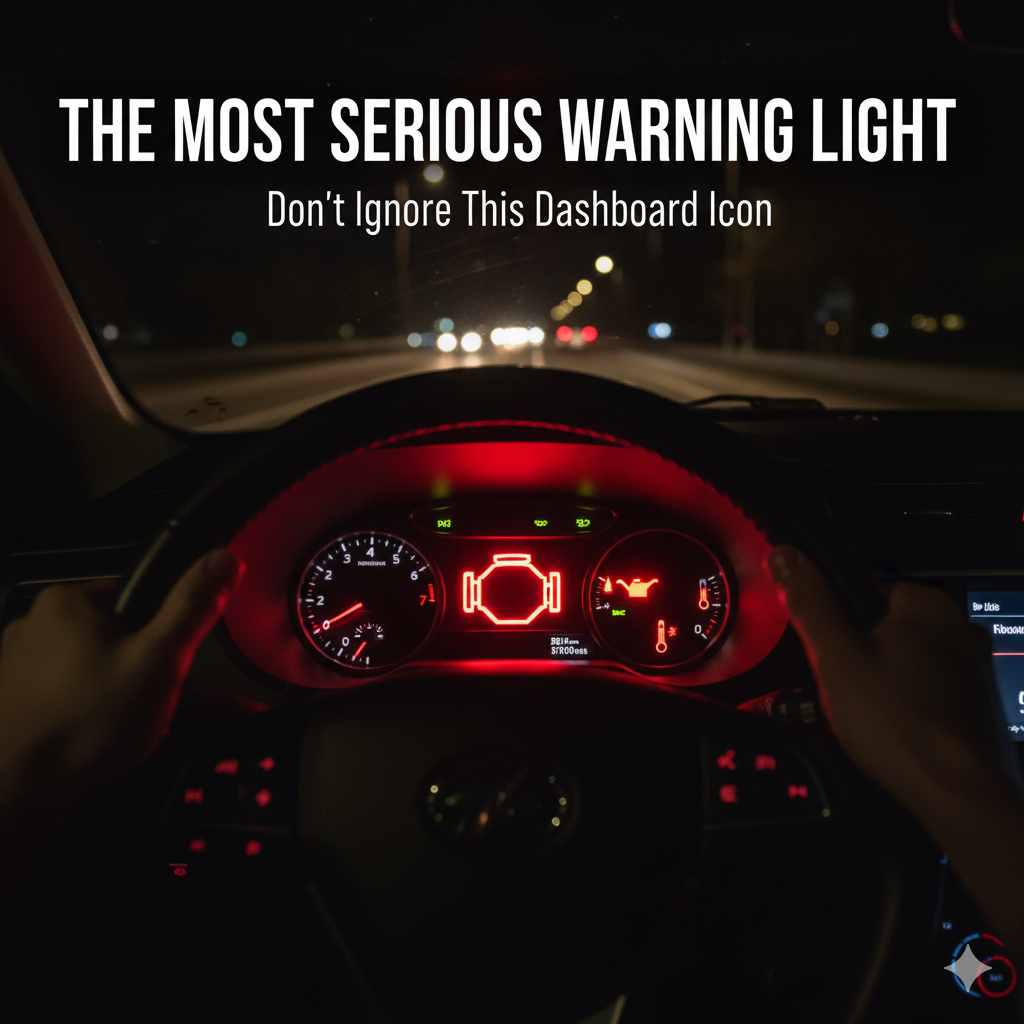
The most serious warning light on your car’s dashboard is usually a bright red indicator that signals an immediate and critical problem. Ignoring it can lead to severe engine damage or a breakdown. It’s crucial to pull over safely as soon as possible and address the issue.
Ever been driving, and suddenly a little light pops up on your dashboard? It can be a bit unsettling, right? You might wonder if it’s a minor blip or something that needs your immediate attention. Many of these dashboard symbols are designed to be pretty straightforward, like a gentle nudge to check your tire pressure or that you left your headlights on. But then there are those other lights – the ones that glow with a bold, unmistakable color. These are the ones that make you sit up a little straighter and think, “Okay, this is important.” Understanding what these serious warning lights mean is like having a secret code to your car’s well-being. It’s not about being a mechanic; it’s about being a smart car owner. We’ll walk through the most critical ones, so you know exactly what to do when you see them. Let’s get your car’s dashboard mysteries solved, one light at a time!
Decoding Your Car’s Dashboard: The Critical Warning Lights
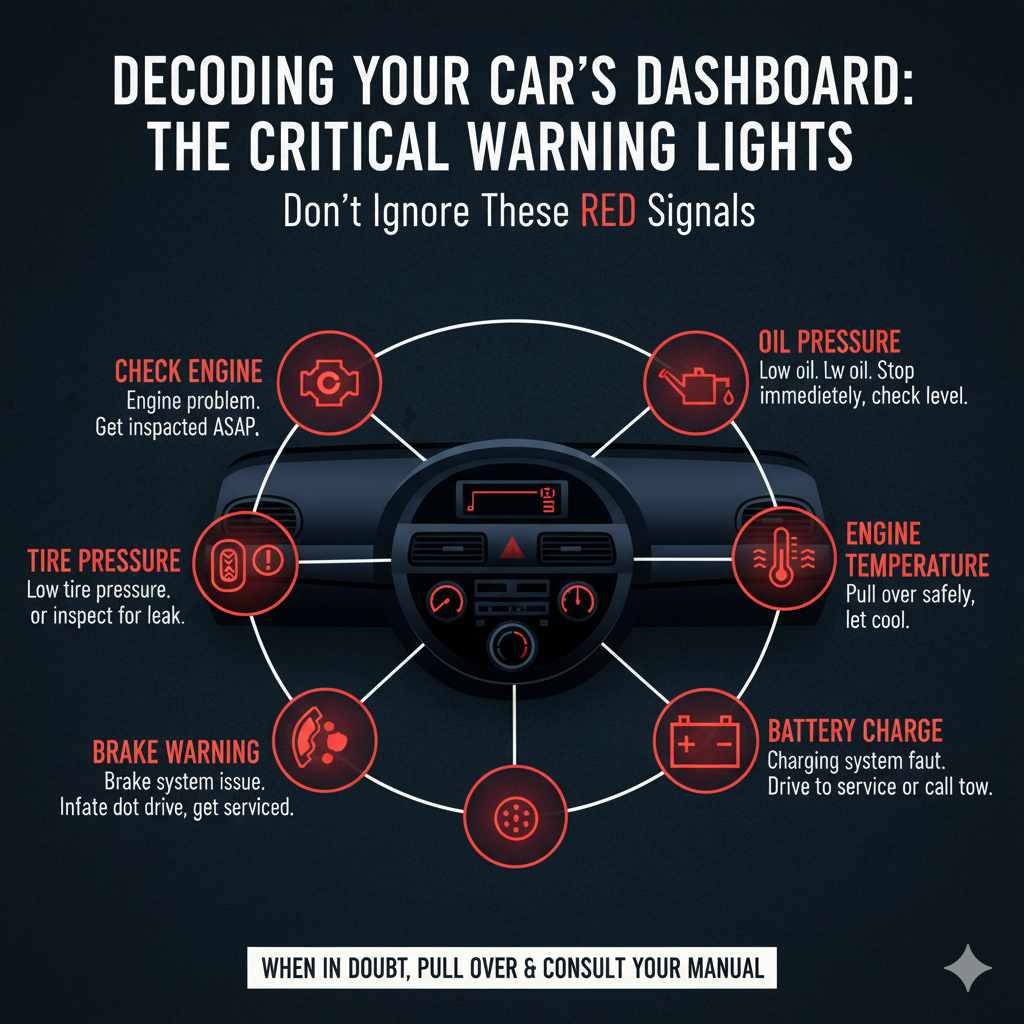
Your car’s dashboard is a communication hub, and the warning lights are its direct messages to you. While some lights are friendly reminders, others are urgent calls for attention. These critical warning lights are typically displayed in red, signifying a potentially serious issue that requires immediate action. Ignoring them is like ignoring a fire alarm – it’s a risk you don’t want to take. Let’s break down the most common and serious warning lights you might encounter, what they mean, and what you should do.
The Red Alert: Identifying the Most Serious Warning Lights
When a red warning light illuminates on your dashboard, it’s your car’s way of shouting, “Stop and pay attention!” These are not suggestions; they are directives. The most common and critical red warning lights often relate to your vehicle’s core operating systems. Understanding these symbols can save you from significant repair bills and ensure your safety on the road.
1. Oil Pressure Warning Light
Symbol: Often looks like an old-fashioned oil can, sometimes with a dripping effect.
What it means: This is arguably the most critical warning light. It indicates that your engine is not receiving adequate oil pressure. Low oil pressure means your engine’s moving parts aren’t being lubricated properly, which can lead to catastrophic engine damage very quickly. This isn’t a “drive to the mechanic” situation; it’s a “pull over safely immediately” situation.
What to do:
- As soon as you see this light, find a safe place to pull over immediately.
- Turn off the engine.
- Check your oil level using the dipstick. If it’s low, add the correct type of oil.
- If the oil level is fine, or if adding oil doesn’t turn off the light, do not restart the engine.
- Have your vehicle towed to a trusted mechanic. Continuing to drive can destroy your engine.
2. Brake System Warning Light
Symbol: Typically a circle with an exclamation mark inside, or the letters “BRAKE” in capital letters. It might also be accompanied by the ABS light if the issue is with the anti-lock braking system.
What it means: This light can indicate a few things, all related to your braking system. It could mean your brake fluid level is low, your parking brake is still engaged, or there’s a more serious issue with your brake lines, pads, or hydraulic system. Reduced braking performance is an extreme safety hazard.
What to do:
- First, check if your parking brake is engaged. If it is, release it.
- If the parking brake is off and the light remains on, check your brake fluid level. If it’s low, this indicates a potential leak, and you should not drive the car.
- If the light is on and you notice any sponginess in the brake pedal or reduced stopping power, pull over safely immediately.
- Do not drive the vehicle if you suspect a brake system failure. Get it towed to a mechanic.
3. Engine Coolant Temperature Warning Light
Symbol: Usually resembles a thermometer submerged in liquid, often red or with a red indicator.
What it means: This light signals that your engine is overheating. Overheating can cause severe damage to engine components, including warping cylinder heads and blowing head gaskets. Driving an overheating engine is a fast track to very expensive repairs.
What to do:
- Pull over safely as soon as possible and turn off the engine.
- Allow the engine to cool down completely (this can take 30-60 minutes or more).
- Once cool, check the coolant level in the reservoir. If it’s low, carefully add the correct coolant mixture.
- Inspect for obvious leaks around hoses or the radiator.
- If you had to add a lot of coolant or see leaks, or if the light comes back on after restarting, have the cooling system inspected by a professional.
- Never open the radiator cap when the engine is hot – the pressurized hot coolant can spray out and cause severe burns.
4. Battery/Charging System Warning Light
Symbol: Looks like a battery, often with plus (+) and minus (-) terminals.
What it means: This light indicates a problem with your car’s charging system. It could mean your alternator isn’t charging the battery properly, or there’s an issue with the battery itself or the wiring connected to it. If the battery isn’t being charged, your car will eventually run out of power and stop.
What to do:
- While this light doesn’t always require an immediate stop, it’s serious. Your car is running solely on battery power, which will eventually deplete.
- Try to get to a safe location or a mechanic as soon as possible.
- Turn off all non-essential electronics (radio, AC, heated seats) to conserve battery power.
- If the light comes on while driving, head directly to a repair shop.
- A mechanic will need to check the battery, alternator, and related wiring.
5. Oil Level Warning Light
Symbol: Similar to the oil pressure light (an oil can), but sometimes it specifically indicates low oil level rather than low pressure.
What it means: This light is a direct alert that your engine oil level is critically low. While not as immediately damaging as a loss of oil pressure, driving with very low oil can still lead to significant engine wear and eventual failure.
What to do:
- Pull over safely and turn off the engine.
- Check your oil level with the dipstick.
- If low, add the correct type of oil until it reaches the recommended level.
- If the oil level is correct, the sensor might be faulty, but it’s still wise to have it checked by a mechanic to rule out other issues.
The Yellow and Orange Lights: Important, But Usually Not Immediate Emergencies
While red lights are the most urgent, yellow or orange warning lights are also important indicators that something needs attention. They typically signal a less critical issue or a problem that needs to be addressed soon to prevent further damage or a more serious situation.
1. Check Engine Light (Malfunction Indicator Lamp – MIL)
Symbol: Often looks like an engine outline.
What it means: This is a broad warning. It can indicate anything from a loose gas cap to a major engine misfire or catalytic converter problem. The severity can vary greatly. If it’s flashing, it usually means a severe misfire that could damage your catalytic converter, which is a serious and expensive repair. A steady light is less urgent but still requires attention.
What to do:
- Steady light: Check your gas cap first. If it’s loose, tighten it and drive for a bit; the light may turn off after a few driving cycles. If it remains on, schedule an appointment with a mechanic to have the codes read.
- Flashing light: Reduce speed, avoid heavy acceleration, and get to a mechanic immediately. Do not drive for extended periods with a flashing check engine light.
Modern vehicles have sophisticated onboard diagnostics (OBD-II) systems that store trouble codes. A mechanic can use a scanner to retrieve these codes and pinpoint the issue. You can also purchase inexpensive OBD-II scanners for personal use.
2. Tire Pressure Monitoring System (TPMS) Light
Symbol: Looks like a flat tire with an exclamation mark inside.
What it means: This light indicates that one or more of your tires are significantly under-inflated. Low tire pressure can affect handling, fuel economy, and tire wear, and can even lead to a blowout.
What to do:
- Check your tire pressure as soon as possible.
- Inflate tires to the recommended pressure found on the sticker inside your driver’s side door jamb or in your owner’s manual.
- If the light stays on after inflating, one of the TPMS sensors might be faulty, or a tire might have a slow leak.
- Note: In some cars, this light can also come on if the outside temperature drops significantly, causing tire pressure to decrease.
3. ABS (Anti-lock Braking System) Light
Symbol: The letters “ABS” in a circle.
What it means: This light indicates a problem with your anti-lock braking system. The ABS prevents your wheels from locking up during hard braking, allowing you to maintain steering control. If this light is on, your regular braking system will still work, but the ABS feature will not.
What to do:
- Your conventional brakes should still function.
- Get your vehicle inspected by a mechanic as soon as possible to ensure your braking system is fully operational and safe.
4. Airbag Warning Light
Symbol: Usually a silhouette of a person with a deployed airbag in front of them.
What it means: This light indicates a malfunction in the airbag system. This means that your airbags may not deploy in an accident, or they could deploy unexpectedly. It’s a serious safety concern.
What to do:
- Have the vehicle inspected by a qualified technician immediately.
- Do not ignore this light, as it directly impacts your safety in the event of a collision.
Understanding Dashboard Light Meanings: A Quick Reference
To help you quickly identify the urgency of a warning light, here’s a table summarizing the common colors and their general implications:
| Light Color | General Meaning | Urgency |
|---|---|---|
| Red | Critical system failure or immediate safety hazard. | STOP IMMEDIATELY. Pull over safely. |
| Yellow/Orange | Warning of a potential issue, requires attention soon. | Check the issue at your earliest convenience. |
| Green/Blue | System is active or engaged (e.g., headlights, turn signals). | Informational; no action required. |
It’s important to remember that while colors are a good general guide, the specific symbol is key. Always refer to your car’s owner’s manual for the most accurate interpretation of your vehicle’s specific warning lights.
What To Do When a Serious Warning Light Appears
Seeing a red warning light can be nerve-wracking, but staying calm and knowing the right steps is crucial. Here’s a general protocol:
- Stay Calm: Panicking can lead to poor decisions. Take a deep breath.
- Identify the Light: Quickly determine which symbol has illuminated. Refer to your owner’s manual if unsure.
- Assess the Situation: Is it a red light? Are there any other symptoms like strange noises, smells, or performance changes?
- Find a Safe Place to Stop: If it’s a red light or a flashing check engine light, your priority is to pull over safely to the side of the road, away from traffic. Turn on your hazard lights.
- Turn Off the Engine: For lights like oil pressure or engine coolant temperature, immediately shut off the engine to prevent further damage.
- Check Fluid Levels (If Safe and Appropriate): For oil or coolant warnings, allow the engine to cool and check the relevant fluid levels. Never open a hot radiator cap.
- Consult Your Owner’s Manual: It’s your car’s personal guide and will provide specific advice for each warning light. You can often find digital versions online if you don’t have a physical copy.
- Do Not Drive If Unsafe: If the light indicates a critical failure (like brakes or oil pressure), do not attempt to drive the vehicle. Call for a tow truck.
- Seek Professional Help: For most serious warning lights, even if you can temporarily resolve an issue (like adding oil), it’s essential to have your vehicle inspected by a qualified mechanic to diagnose and fix the root cause. The U.S. Department of Transportation’s National Highway Traffic Safety Administration (NHTSA) provides valuable resources on vehicle safety and maintenance.
Common Misconceptions About Warning Lights
It’s easy to get confused or downplay warning lights. Here are a few common misunderstandings:
- “It’s just a minor issue.” While some lights are minor, red ones are almost never minor. Always err on the side of caution.
- “The car is still running fine.” Even if the car seems to drive normally, a serious warning light means a critical system is compromised. Ignoring it can lead to sudden, catastrophic failure or costly repairs down the line.
- “I can just ignore the check engine light.” A steady check engine light indicates a problem detected by the car’s computer. While not always an immediate emergency, it can affect emissions, fuel economy, and lead to more severe damage if left unaddressed.
- “The light will go off on its own.” Sometimes, simple issues like a loose gas cap will resolve themselves. However, most warning lights require diagnosis and repair.
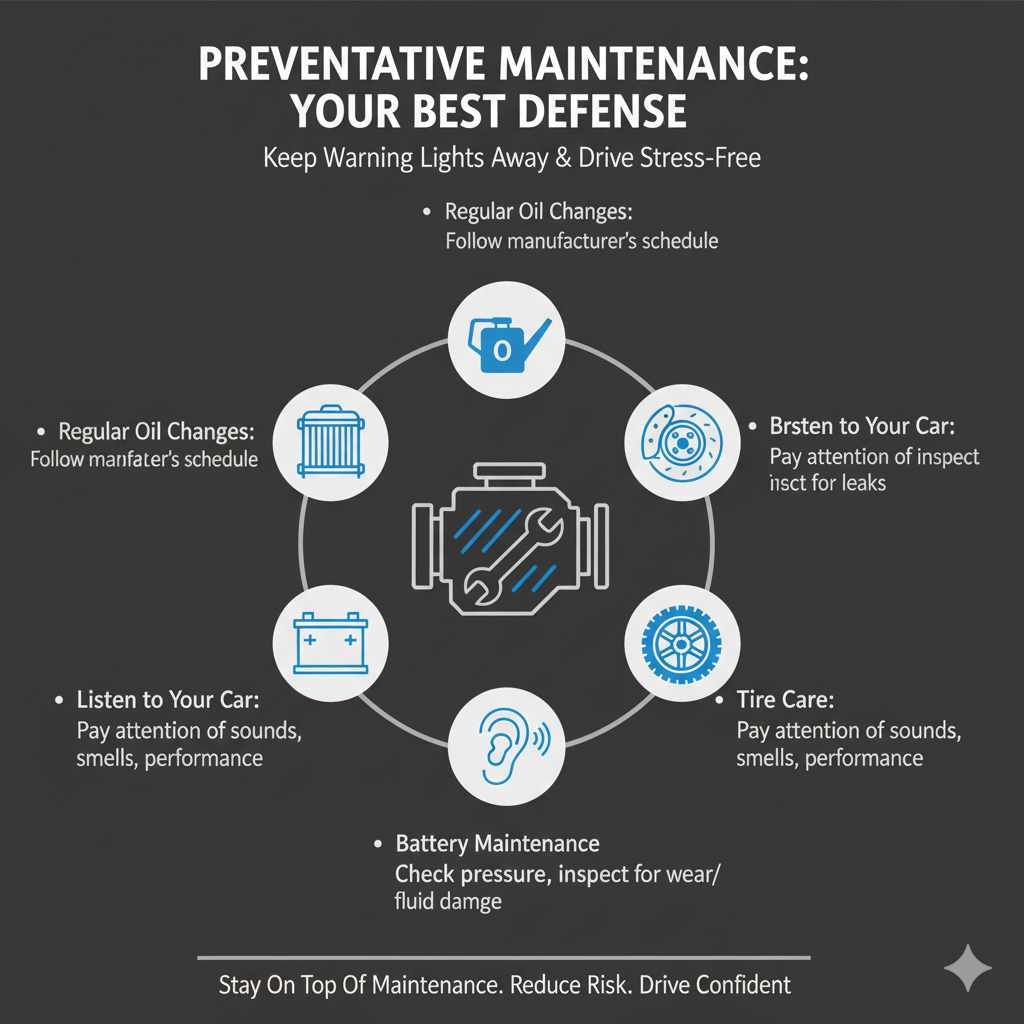
Preventative Maintenance: Your Best Defense
The best way to deal with serious warning lights is to prevent them from appearing in the first place. Regular maintenance is key:
- Regular Oil Changes: Follow your car manufacturer’s recommended schedule for oil and filter changes.
- Coolant Checks: Ensure your coolant is at the proper level and the system is free of leaks.
- Brake Inspections: Have your brakes inspected regularly for wear and fluid levels.
- Tire Care: Check tire pressure regularly and inspect tires for wear and damage.
- Battery Maintenance: Keep battery terminals clean and have the battery tested periodically.
- Listen to Your Car: Pay attention to any unusual sounds, smells, or changes in performance. These can be early indicators of a problem.
By staying on top of your car’s maintenance, you significantly reduce the chances of encountering a critical warning light and the stress that comes with it.
Frequently Asked Questions (FAQ)
Q1: What is the absolute worst warning light to see on my dashboard?
A1: The oil pressure warning light is generally considered the most serious. It indicates a lack of lubrication for your engine, which can cause irreversible damage very quickly if you continue driving.
Q2: If my check engine light comes on, should I stop driving immediately?
A2: Not always. If the light is steady and there are no other symptoms like strange noises or loss of power, you can usually drive to a mechanic. However, if the check engine light is flashing, it signifies a severe problem (like an engine misfire) and you should reduce speed and get to a mechanic immediately.
Q3: My car’s temperature gauge is in the red. What should I do?
A3: This means your engine is overheating. Pull over safely, turn off the engine, and let it cool down completely before checking the coolant level. Do not drive an overheating vehicle; it can cause severe engine damage. Have it inspected by a mechanic.
Q4: Is it safe to drive with the ABS light on?
A4: You can typically still drive with the ABS light on, as your regular braking system should still function. However, the anti-lock feature will not work. It’s important to have this system checked by a mechanic as soon as possible to ensure your braking is as safe as it can be.
Q5: I saw a red light flash for a second and then go off. Do I need to worry?
A5: While a brief flash might not indicate an immediate crisis, it’s still a good idea to note which light it was. If it happens again, or if you notice any other unusual behavior from your car, it’s wise to have it checked by a mechanic to ensure there isn’t an intermittent fault.
Q6: Can I just ignore the battery warning light?
A6: No, you shouldn’t ignore the battery warning light. It means your car’s charging system is having trouble, and your car is running solely on battery power. You’ll eventually run out of power and break down. Get it checked by a mechanic soon.
Conclusion
Dashboard warning lights are your car’s way of talking to you, and understanding their messages is a vital part of being a responsible car owner. While some alerts are simple reminders, the red warning lights demand your immediate attention. The oil pressure, brake system, and engine coolant temperature lights are critical indicators that require you to stop driving safely as soon as possible to prevent severe damage or dangerous situations. Other lights, like the check engine or ABS warnings, signal issues that need prompt attention from a mechanic to ensure your car’s safety and longevity. By familiarizing yourself with these symbols, knowing what to do when they appear, and committing to regular preventative maintenance, you can navigate the road with greater confidence and keep your vehicle running smoothly and safely for years to come. Don’t hesitate to consult your owner’s manual and your trusted mechanic – they are your best resources for keeping your car in top condition.