
Are you standing in the lighting aisle, puzzled by the options? Wondering if you should pick up an LED or stick with a traditional light bulb?
You’re not alone. The world of lighting can be a bit overwhelming, especially when each option promises something different. But don’t worry—by the end of this article, you’ll be a lighting expert. We’ll break down the key differences between LEDs and traditional light bulbs, so you know exactly what you’re getting.
Whether you’re looking to save money, reduce your carbon footprint, or simply want the best lighting for your space, understanding these differences is crucial. So, if you’re ready to shed some light on the subject and make an informed choice, keep reading!
Basics Of LED And Light Bulbs
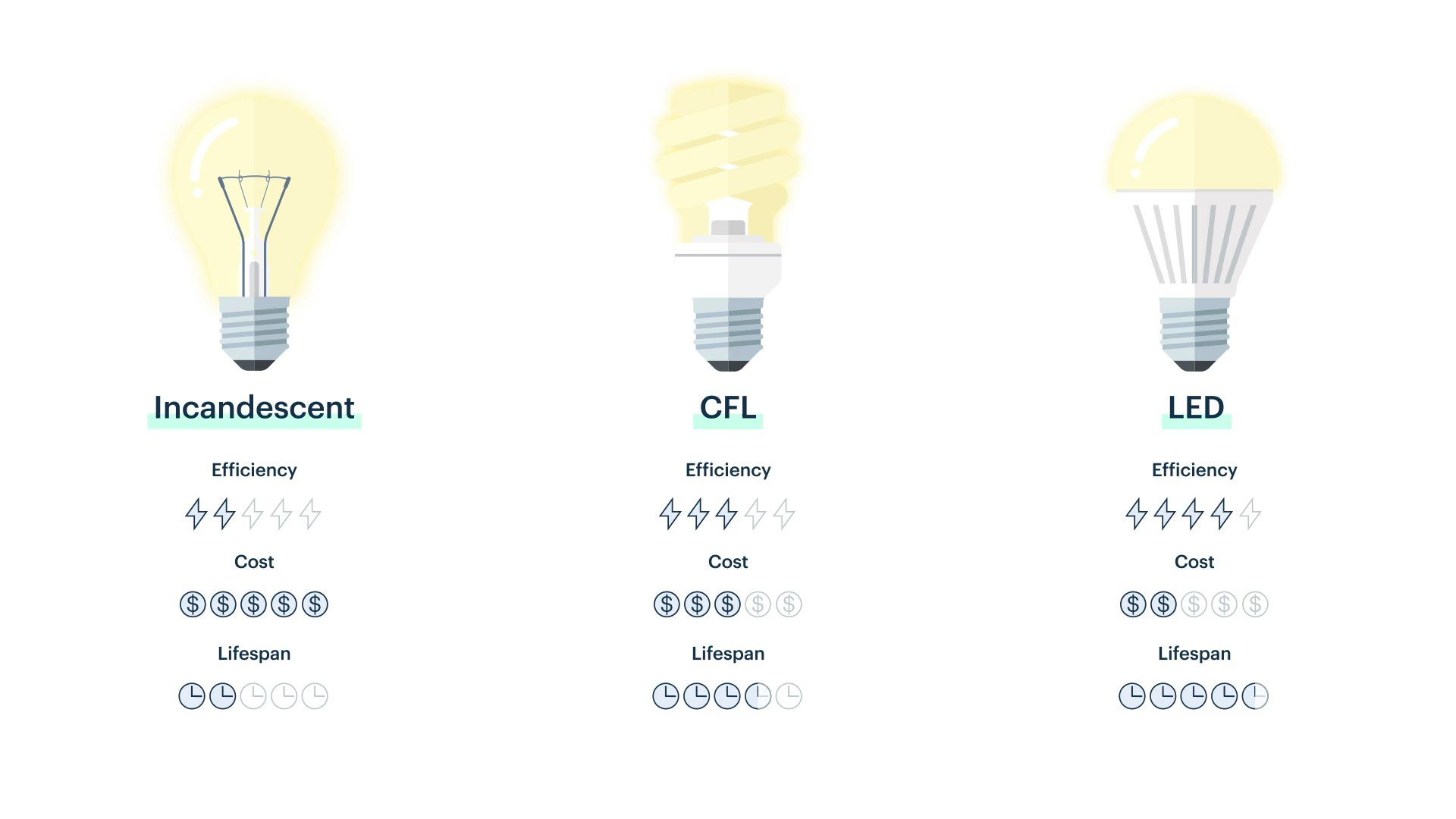
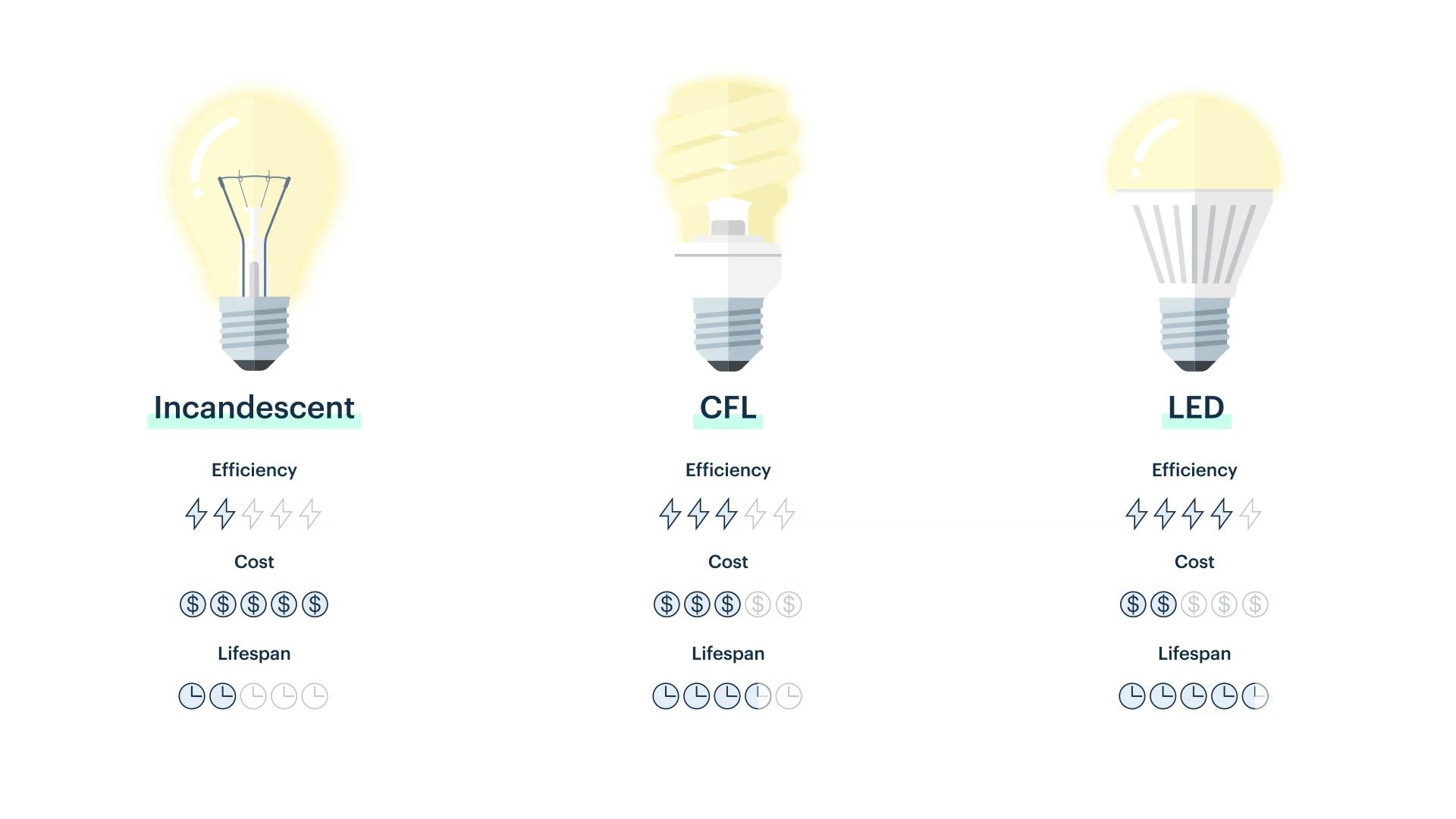
LED stands for Light Emitting Diode. It is a special kind of light. It uses a small chip to make light. This chip is inside a plastic case. LED lights are very energy-efficient. They use less power than other lights. LED lights last a long time. They do not get very hot. This makes them safe to touch. They come in many colors and shapes.
Traditional light bulbs are also known as incandescent bulbs. They have been around for many years. These bulbs use a thin wire inside to make light. The wire heats up and glows. They are not very energy-efficient. Traditional bulbs use more power. They also get hot quickly. They do not last as long as LED lights. These bulbs are easy to find and cheap to buy.
Credit: sustainability.wustl.edu
Energy Efficiency
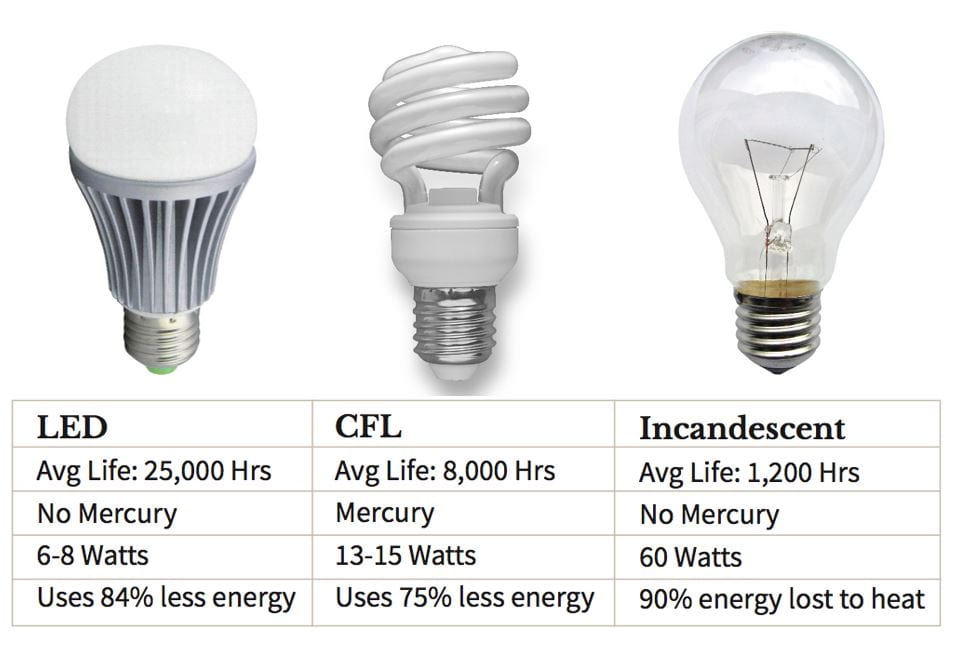
LED bulbs use less power. They are very energy-efficient. Traditional light bulbs use more energy. This can lead to higher electricity bills. LEDs use about 75% less energy than regular bulbs. This means big savings over time. Switching to LEDs is good for the environment. It helps reduce energy waste.
LED bulbs last much longer. They can last over 20,000 hours. Regular light bulbs last about 1,000 hours. This means you won’t change LEDs often. Fewer changes mean less hassle. Also, it means less waste in landfills. Long life is a big advantage of LEDs. It saves time and money.
Environmental Impact
LEDs use less energy and last longer than traditional light bulbs. They reduce environmental impact by lowering carbon emissions. This makes LEDs a more eco-friendly lighting choice.
LED And Reduced Carbon Footprint
LED lights save energy. They use less power than regular bulbs. This means lower carbon emissions. Less electricity means less pollution. LED lights last longer. Fewer replacements reduce waste. Long life helps the planet. Save energy, save Earth!
Waste And Disposal Concerns
Old bulbs can be harmful. They may contain toxic elements. Disposal is tricky. LEDs are safer. They have no mercury. Less worry about pollution. LED lights are recyclable. Recycling reduces waste. It helps keep the planet clean. Choose LED for less waste!
Credit: www.arcadia.com
Cost Analysis
LED bulbs can cost more at first. They use new technology. Regular light bulbs are cheaper to buy. This makes them a good choice for short-term use.
LEDs save money over time. They last longer than regular bulbs. This means fewer replacements. Also, they use less energy. This cuts down on electricity bills.
Light Quality
LED bulbs shine brighter than traditional bulbs. They use less power. This saves energy. Regular bulbs can be dim. They also heat up quickly. LEDs stay cool. They last longer too. Pick LED for bright light. Choose it to save money.
Color temperature matters for mood. LED bulbs offer many choices. They can be warm. Or cool. Traditional bulbs often give warm light. LEDs can change colors. This helps set a mood. Want a cozy room? Choose warm. Need focus? Pick cool. LED bulbs are flexible. Perfect for different spaces.
Applications And Versatility
LEDs offer longer lifespan and energy efficiency compared to traditional light bulbs. Their versatility shines in various applications, from home lighting to outdoor displays. Choosing between them depends on specific needs and budget considerations.
Residential Use
LEDs light up homes beautifully. They save energy and last long. People use them in living rooms and kitchens. They are great for bedrooms and bathrooms too. They come in many colors and brightness levels. It’s easy to find the right LED for each room. They fit in lamps, ceiling lights, and wall fixtures. This makes them versatile for home use. LED lights make homes cozy and warm. They are better than regular bulbs. You can dim them or make them bright. This helps create a perfect mood at home.
Commercial And Industrial Use
LEDs shine in offices and factories. They are used in shops and malls. Bright and long-lasting, they cut down on costs. Large spaces benefit from LED lighting. They work well in warehouses and parking lots. Businesses choose LEDs for efficiency. They reduce electricity bills and maintenance needs. They offer clear visibility for work and safety. LEDs are ideal for signs and displays too. They are more reliable than traditional bulbs. They help businesses look modern and professional.
Technological Advancements
LEDs and light bulbs differ mainly in energy efficiency and lifespan. LEDs use less power and last longer than traditional light bulbs, making them a popular choice for modern lighting solutions. Traditional bulbs, while cheaper upfront, consume more electricity and need frequent replacements.
Smart Lighting Systems
Smart lighting systems are easy to use. You can control them with a phone. These systems save energy. They adjust brightness based on the time of day. You can also change colors to set a mood. They connect to other smart devices in your home. This makes them very convenient for users. Smart systems can also improve safety. They can be programmed to turn on when you arrive home. This helps with security. They are a popular choice for many homes today.
Innovations In Led Technology
LED technology has changed a lot. LEDs are very bright. They use less power than old bulbs. This saves money on electricity bills. LEDs last much longer too. You do not have to change them often. New designs make LEDs look nicer. They fit in many lamp styles. They are also available in different colors. This gives users more options for their homes.

Credit: viribright.com
Consumer Considerations
LEDs and traditional light bulbs differ in energy use and lifespan. LEDs use less energy and last longer, saving money over time. Light bulbs are cheaper upfront but require more frequent replacements. Understanding these differences helps consumers make informed choices.
Choosing The Right Bulb
Choosing between LED and light bulbs can be tricky. LED bulbs last longer and save more energy. They are also cooler to touch. This makes them safer for kids. Light bulbs, also known as incandescent, are cheaper to buy. But they use more energy and burn out faster. Consider your budget and needs. LED might be better for long-term use. Incandescent is good for short-term or rare use.
Installation And Compatibility
Both LED and light bulbs come in various sizes. Check your lamp or fixture first. Make sure the bulb fits properly. LED bulbs work with most fixtures. But some old dimmers may not support them. You might need a special dimmer. Light bulbs fit most standard sockets. They work with all dimmers. Always read the packaging. It helps to know if the bulb suits your home.
Frequently Asked Questions
Is LED Better Than Light Bulbs?
LED lights are more energy-efficient and last longer than traditional bulbs. They offer better brightness and durability. LED lights reduce electricity costs and environmental impact. They are ideal for home and commercial use, providing superior lighting quality. Choose LEDs for a modern, cost-effective lighting solution.
Can I Put LED Bulbs In Any Light Fixture?
LED bulbs can fit most fixtures, but check compatibility first. Ensure the fixture supports the bulb’s wattage and base type.
What Is The Equivalent Of A 60 Watt Bulb In LED?
A 60-watt incandescent bulb is typically equivalent to a 10 to 12-watt LED bulb. LED bulbs offer the same brightness while consuming less energy, making them more efficient and cost-effective. Always check packaging for lumens to ensure the desired brightness level.
Can I Replace A 25 Watt Bulb With A 40 Watt LED Bulb?
Yes, you can replace a 25-watt bulb with a 40-watt LED bulb. Ensure the fixture supports the higher wattage for safety. LED bulbs consume less energy and provide brighter illumination, making them efficient replacements. Always check bulb specifications and fixture compatibility before installation.
Conclusion
LEDs and traditional light bulbs offer different benefits. LEDs save energy. They last longer. Traditional bulbs are cheaper initially. Yet, they consume more electricity. Choosing between them depends on your needs. Want lower energy bills? Go with LEDs. Prefer lower upfront costs?
Consider traditional bulbs. Both have their place in lighting. Each suits different preferences and budgets. Understanding these differences helps make a smart decision. Light your space wisely.