
I’ll never forget the first time I got a urine test result back from my doctor. I was nervous, staring at numbers like “creatinine level” and wondering what it all meant. Was I okay? Was my body trying to tell me something? If you’re curious about what a normal creatinine level in urine is, you’re in the right place!
This article is your friendly guide to understanding creatinine, why it matters for your kidneys, and how to make sense of those test results. Whether you’re new to this or just want a clear explanation, I’ve got you covered with simple tips, examples, and answers to common questions.
What Is Creatinine and Why Should You Care?
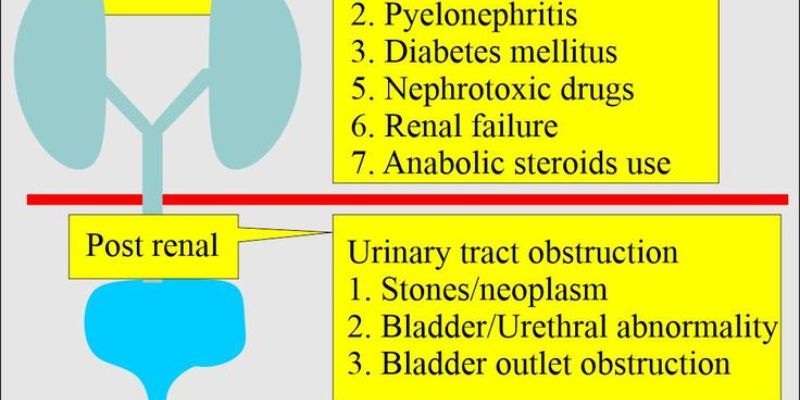
Creatinine is a waste product your muscles make when they work. Think of it like the crumbs left after baking cookies—your body needs to clean it up! Your kidneys filter this waste from your blood and send it out in your urine. Checking your urine creatinine level tells doctors how well your kidneys are doing their job. If the level is too low or too high, it might mean something’s off, like kidney trouble or even just dehydration.
Here’s why it matters:
- Kidney health check: Normal levels mean your kidneys are likely working fine.
- Early warning: Odd levels can spot problems before you feel sick.
- Easy to test: A quick urine sample can give big clues about your health.
What’s a Normal Creatinine Level in Urine?
So, what’s the magic number for a normal creatinine level in urine? It depends on the test type and a few factors like your age, sex, and muscle mass. There are two main tests doctors use:
- Random Urine Test: This is a quick pee-in-a-cup test at the doctor’s office. Normal ranges are:
- Women: 20–275 mg/dL
- Men: 20–320 mg/dL
Note: These can vary slightly by lab.
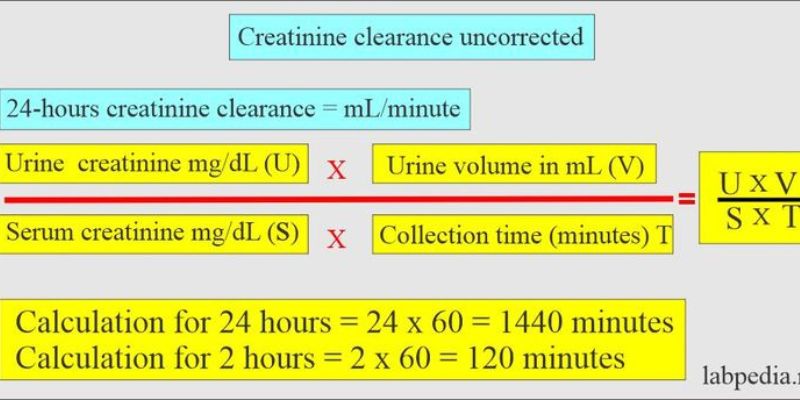
- 24-Hour Urine Test: You collect all your urine for a full day (more on that later). Normal ranges are:
- Women: 601–1689 mg per 24 hours
- Men: 955–2936 mg per 24 hours
Why Do Ranges Vary?
Your muscle mass plays a big role. If you’re super muscular, like a bodybuilder, your levels might be higher because your muscles make more creatinine. Kids, older folks, or people with less muscle might have lower levels. Things like hydration or diet can also tweak the numbers.
Table 1: Normal Urine Creatinine Levels by Test Type
| Test Type | Women (mg/dL or mg/24h) | Men (mg/dL or mg/24h) |
|---|---|---|
| Random Urine Test | 20–275 mg/dL | 20–320 mg/dL |
| 24-Hour Urine Test | 601–1689 mg/24h | 955–2936 mg/24h |
Caption: Normal ranges for urine creatinine depend on the test and your body type. Always check with your doctor for your lab’s specific ranges.

How Do You Test for Urine Creatinine? A Step-by-Step Guide
Getting your urine creatinine tested is no big deal—it’s like handing in a homework assignment! Here’s how it works for the two main tests:
Random Urine Test
This is the simplest way to check creatinine. You just pee in a cup at the doctor’s office or lab. It’s quick, painless, and gives a snapshot of your kidney health. Here’s what to do:
- Drink water as usual, but don’t chug tons right before.
- Pee into the clean cup they give you.
- Hand it over to the lab—no fuss, no muss!
24-Hour Urine Test
This one’s a bit more involved but still easy. You collect all your urine for a full day. I tried this once, and let me tell you, carrying a jug of pee to the lab felt like a science project! Here’s how to do it right:
- Start in the morning: Pee first thing, but don’t collect that one. Note the time.
- Collect all day: For the next 24 hours, pee into a special container (your doctor will give you one).
- Keep it cool: Store the container in the fridge or a cooler with ice.
- Finish up: The next morning, pee one last time into the container, then take it to the lab.
Pro Tip: Don’t spill or miss any pee—it can mess up the results. If you do, tell your doctor.
What Can Affect Your Creatinine Levels?
Your urine creatinine levels aren’t set in stone. Lots of things can nudge them up or down. Here’s a quick rundown:
- High Levels:
- Being super muscular (more muscle = more creatinine).
- Eating a lot of meat (it’s like fuel for creatinine production).
- Dehydration (less water makes urine more concentrated).
- Low Levels:
Table 2: Factors That Affect Urine Creatinine Levels
| Factor | Effect on Levels | Example Scenario |
|---|---|---|
| Muscle Mass | Higher if more muscle | Bodybuilder vs. average person |
| Diet | Higher with meat intake | Steak dinner vs. vegetarian meal |
| Hydration | Lower if well-hydrated | Drinking 8 glasses vs. 2 glasses |
| Kidney Health | Lower if kidneys struggle | Kidney disease vs. healthy kidneys |
Caption: Your lifestyle and health can change your creatinine levels. Talk to your doctor about what’s normal for you.
Why I Love Knowing About Creatinine Levels
When I first learned about creatinine, I felt like a detective solving a mystery about my body. It’s empowering to understand what those test numbers mean! For example, one time I noticed my levels were a bit high after a weekend of grilling burgers. My doctor explained it was likely from all the meat I ate, not a kidney issue. Phew! Knowing this stuff helps you talk to your doctor like a pro and avoid worrying over nothing.
Here are some benefits of checking your urine creatinine:
- Catch problems early: Spot kidney issues before they get serious.
- Track your health: See if lifestyle changes (like drinking more water) help.
- Feel in control: Understanding your results makes doctor visits less scary.
But there’s a catch: urine tests aren’t as precise as blood tests for kidney health. They can vary based on what you ate or drank that day. That’s why doctors often pair them with a blood creatinine test for the full picture.
Common Mistakes to Avoid When Testing
I’ve made a few goofs with urine tests, so let me save you some trouble! Here are mistakes to dodge:
- Skipping pee collections: For the 24-hour test, missing even one pee can throw off results.
- Drinking too much water: It can dilute your urine and lower creatinine levels.
- Not telling your doctor about meds: Some drugs, like pain relievers, can mess with results.
Quick Tip: Write down what you eat, drink, and any medicines you take before the test. Share this with your doctor to get accurate results.
Fun Example: Be Your Own Kidney Detective
Want to feel like a health superhero? Try this simple activity to understand your creatinine levels better:
- Track your water: For one day, count how many glasses of water you drink. Aim for 8–10.
- Check your diet: Write down if you eat meat-heavy meals (like steak or burgers).
- Compare results: If you get a urine test, ask your doctor how your hydration or diet might’ve affected the numbers.
This helped me realize that chugging water before a test made my levels look lower than usual. It’s like a science experiment you can do at home!
Visual Ideas to Make It Clear
To make this topic even easier, here are some visuals I’d love to include (but can’t draw here):
- Diagram of kidneys: A simple cartoon showing how kidneys filter creatinine from blood to urine.
- Chart of normal ranges: A colorful bar graph comparing men’s and women’s creatinine levels.
- Step-by-step infographic: A fun guide for the 24-hour urine test with pictures of the container and fridge.
These would make the info pop and stick in your mind!
Tips to Keep Your Kidneys Happy
Your kidneys are like the unsung heroes of your body, so let’s give them some love. Here are my go-to tips:
- Drink water: Aim for 8 glasses a day to help your kidneys flush waste.
- Eat smart: Cut back on super salty or processed foods. Fruits and veggies are kidney-friendly!
- Stay active: Exercise keeps your blood flowing, which helps your kidneys work better.
Table 3: Kidney-Friendly Habits
| Habit | Why It Helps | Easy Way to Start |
|---|---|---|
| Drink Water | Flushes waste from kidneys | Keep a water bottle handy |
| Eat Veggies | Lowers kidney strain | Add a salad to lunch |
| Exercise | Boosts blood flow to kidneys | Walk 15 minutes a day |
Caption: Small changes can keep your kidneys in tip-top shape. Try one today
Frequently Asked Questions
What Is a Normal Creatinine Level in Urine?
Normal levels for a random urine test are 20–275 mg/dL for women and 20–320 mg/dL for men. For a 24-hour test, it’s 601–1689 mg/24h for women and 955–2936 mg/24h for men. Ranges vary by lab, so check with your doctor.
Why Do My Creatinine Levels Change?
Your levels can shift due to hydration, diet, or muscle mass. Drinking lots of water or eating less meat can lower levels, while dehydration or heavy workouts can raise them. Always share your lifestyle with your doctor.
Can Kids Have Different Creatinine Levels?
Yes, kids often have lower levels because they have less muscle mass. Normal ranges depend on age and size, so pediatricians use specific charts to check what’s normal for your child.
What If My Levels Are Too Low?
Low levels might mean kidney issues, low muscle mass, or certain medicines. Your doctor will look at your health history and other tests to figure out the cause and what to do next.
How Often Should I Test My Creatinine?
If you’re healthy, your doctor might check it during yearly checkups. If you have kidney issues, they may test more often to track your health. Ask your doctor what’s best for you.
Can Diet Affect My Urine Creatinine?
Yes! Eating lots of meat can raise levels, while a vegetarian diet might lower them. Try balancing your diet with veggies and moderate protein for steady results.
Is a Urine Test Better Than a Blood Test?
Urine tests are great for quick checks, but blood tests are more accurate for kidney health. Doctors often use both to get a clear picture of how your kidneys are doing.
Wrapping It Up
Understanding your urine creatinine level is like having a window into your kidney health. Normal levels (20–320 mg/dL for random tests or 601–2936 mg/24h for 24-hour tests) show your kidneys are doing their job. By keeping an eye on your diet, water intake, and test prep, you can help ensure accurate results.
Try tracking your water or diet for a day to see how it feels to take charge of your health—it’s easier than you think! Got questions or tips of your own? Share them with your doctor or friends to keep the conversation going. Stay curious and keep those kidneys happy!