
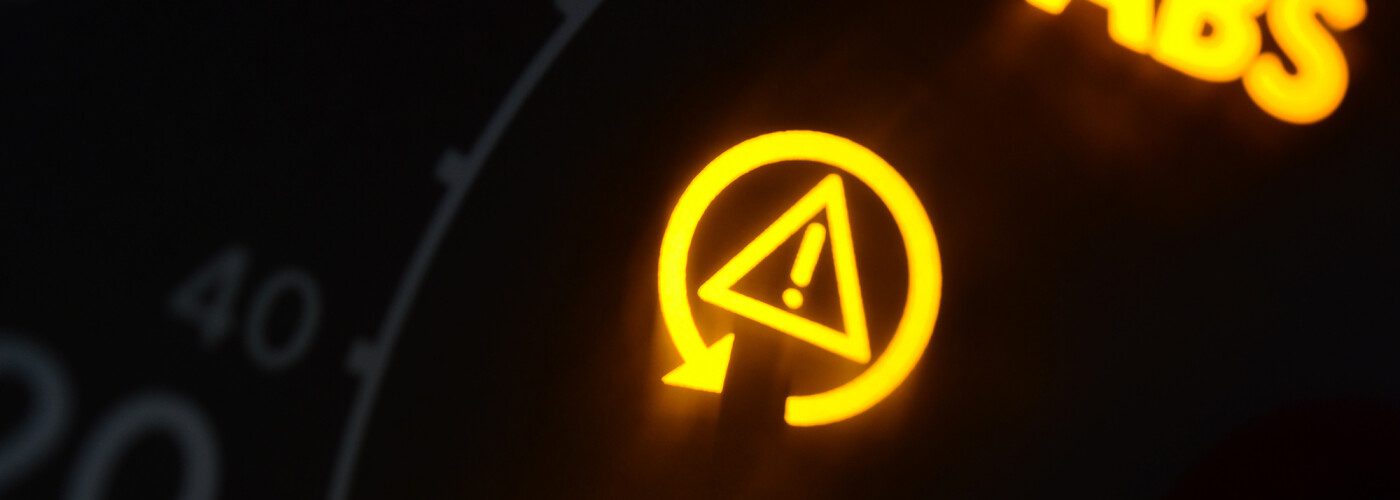
You’re cruising down the road, enjoying the drive, when suddenly, a mysterious triangle warning light pops up on your dashboard. Panic sets in.
What does it mean? Should you pull over immediately, or can you continue driving safely? This little triangle can send your mind racing with questions and concerns. Before letting anxiety take the wheel, let’s decode what this symbol actually signifies.
By understanding the triangle warning light, you’ll not only ease your mind but also gain the knowledge to take swift, appropriate action. Keep reading, and you’ll find out exactly what to do when this enigmatic light appears, ensuring both your safety and peace of mind.
Triangle Warning Light Basics
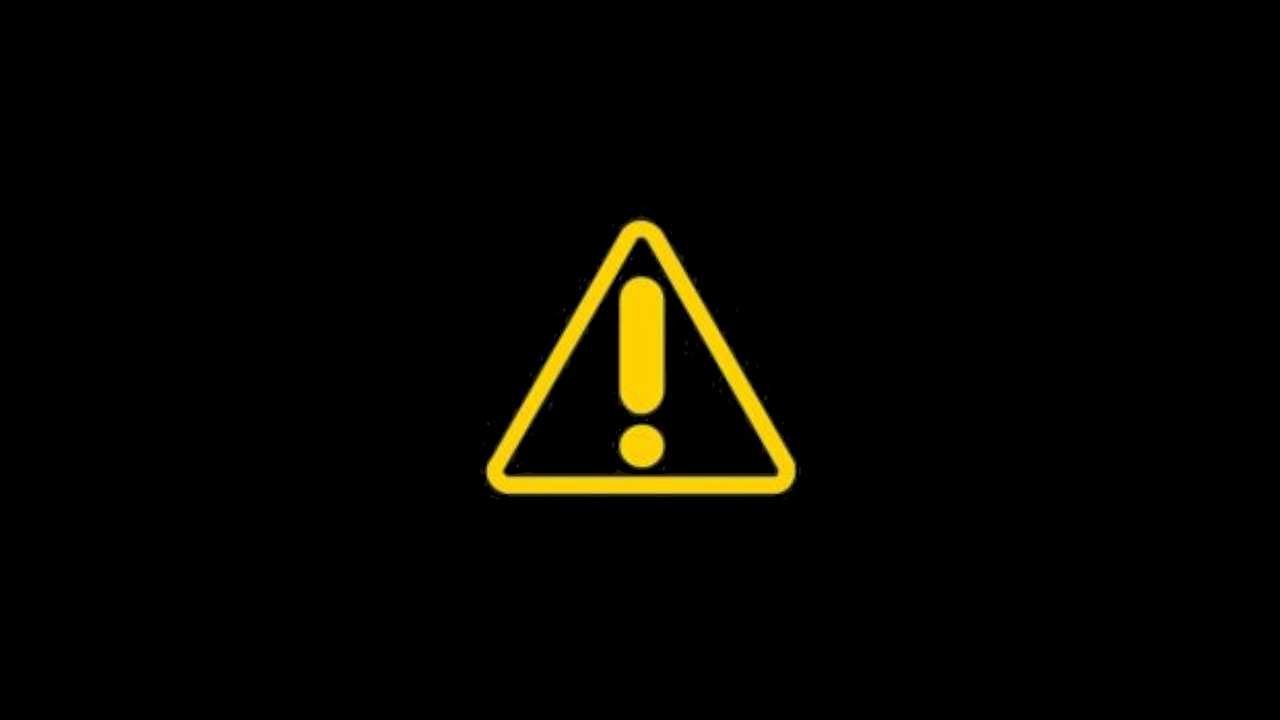
The triangle warning light looks like a yellow or red triangle. It often has an exclamation mark inside. This symbol warns you of important issueswith your car. It can mean different things. Sometimes, it shows up when your car’s stability control systemis on. Other times, it alerts you to a problem with the engine or brakes.
- Low tire pressure can trigger the warning light.
- Problems with the engine may cause the triangle symbol.
- Brake system issues often light up this symbol.
- Transmission troubles can activate the warning light.
- Faulty sensors may cause the light to appear.
Credit: www.youtube.com
Vehicle Systems Triggering The Light
The triangle warning light can signal engine performance issues. This light might appear if the engine is not running smoothly. It can indicate problems like a misfire or a faulty sensor. These issues need attention to avoid further damage. Always check the engine if this light appears.
Brake problems can trigger this warning light as well. The car might have worn brake pads or a fluid leak. These are serious issues. Brakes are vital for safety. It’s crucial to inspect and fix them promptly.
Electrical issues can also cause the triangle light to show. It might mean a battery problem or an issue with the wiring. These problems can affect the car’s overall function. Always address electrical issues quickly to avoid bigger problems.
Immediate Actions To Take
Always check if the vehicle is safe to drive. Look for any strange noises or smells. Turn off the engine if anything seems wrong. Check the dashboard for other warning lights. Safety is the most important thing.
First, pull over to a safe spot. Keep calm and avoid panic. Next, check the vehicle’s manual. It often explains warning lights. If unsure, call a professional. It’s better to be safe than sorry. Make sure to keep others safe too. Warn other drivers if you stop on the road.
Credit: www.evanshalshaw.com
Diagnosing The Problem
Using diagnostic toolscan help find the problem. These tools read the car’s computer. They tell you what’s wrong. A small device called an OBD-II scanner is used. It connects to a port inside the car. The scanner shows codes on its screen. Each code means a different issue. Some tools can even send data to your phone. This way, you can check the car’s health quickly. Knowing the codes helps fix the problem faster.
Professional helpis also important. Mechanics have special training. They understand what each code means. They have the right tools to fix the car. Sometimes, the problem can be big. A mechanic can tell you if it’s safe to drive. They make sure the car runs well. Trusting a professional can save time and money. It’s always good to ask an expert when unsure.
Preventative Measures
Regular maintenancekeeps your car safe. It helps parts last longer. Check your car’s fluidsoften. Oil, brake fluid, and coolant are important. Change them when needed. Inspect the tires every month. Look for wear and tear. Check the pressure too. A well-maintained car performs better.
Visit a mechanic for routine checks. They find small problems early. Fixing small issues saves money. It prevents big breakdownslater. Keep a maintenance schedule. It helps you remember important dates. This way, your car stays in good shape.
Watch your car’s dashboard lights. They tell you if something is wrong. The triangle light is important. It means a problem needs fixing. Do not ignore it. Check your car’s manual. It helps you understand what each light means.
Pay attention to how your car sounds. Strange noises can mean trouble. Listen for clunks or squeaks. If you hear them, visit a mechanic. They can check for problems. Your car’s health depends on your attention. Stay alert and drive safe.
Common Misconceptions
Many people think the triangle light means big trouble. This is not always true. It might just be a small issue. Others believe it signals a broken engine. Again, not always correct. The light can mean many things. Low tire pressure is one of them. Or it might mean a door is open. Sometimes, people think it needs immediate attention. This is not always the case. Check your car’s manual first. It gives the right information. This helps clear up confusion. Always stay calm when you see the light.
The triangle light can be puzzling. It often causes worry. But not all warnings are urgent. Regular maintenance can prevent issues. Simple checks can also help. Understand what your car needs. This makes driving safer. And it saves money, too. Trust the manual for guidance. It is your car’s best friend.
Real-life Scenarios
Encountering the triangle warning light on your dashboard signifies potential issues with your vehicle’s critical systems. This alert often indicates a malfunction requiring immediate attention, such as problems with stability control, braking, or engine performance. Addressing the warning promptly ensures vehicle safety and reliability.
Driver Experiences
Many drivers have faced the triangle warning lighton their dashboards. It can be confusing and alarming. Sarah, a new driver, saw this light during a rainy night. She felt scared and immediately pulled over. Her car manual explained the light meant a minor issue. It wasn’t dangerous. She drove home safely.
Lessons Learned
Drivers learn much from these situations. It’s important to stay calm. Checking the car manual helps understand the light’s meaning. Regular car maintenance can prevent such warnings. Knowledge about dashboard lights is essential. It keeps you prepared and less stressed. Always remember, safety comes first. Stay informed and drive confidently.
Frequently Asked Questions
What Is The Triangle Warning Light?
The triangle warning light typically indicates a general warning or caution. It can signal various issues like low tire pressure or a malfunction. Always check your vehicle’s manual for specific meanings related to your car model.
Is The Triangle Light Serious?
Yes, the triangle light can signal serious issues. It may indicate problems like engine malfunctions or transmission faults. Always address the warning promptly to avoid further damage or safety risks.
Why Does The Triangle Light Appear Suddenly?
The triangle light appears when the vehicle’s system detects a fault. It could be due to sensor malfunctions or changes in vehicle conditions. Regular maintenance can help prevent unexpected warnings.
How To Fix The Triangle Warning Light?
To fix the triangle warning light, diagnose the issue using a code reader. Follow the maintenance instructions in your vehicle’s manual. If uncertain, consult a professional mechanic for accurate repairs.
Conclusion
Understanding the triangle warning light is important for safe driving. It alerts you to potential issues with your vehicle. Ignoring it can lead to bigger problems. Always check your car’s manual for guidance. Regular maintenance can prevent these warnings. Visiting a mechanic quickly can save time and money.
Keep an eye on all dashboard lights. They communicate your car’s health. Stay informed and drive safely. A little attention goes a long way in keeping your car running smoothly. Trust your instincts and act when you see the triangle warning light.
Your safety depends on it.