
Hey there! Picture this: you’re driving along, maybe humming to your favorite song, when suddenly a little red light pops up on your dashboard. It’s the brake system warning light, and it’s staring at you like it’s trying to tell you something urgent. If you’re like me, your first thought might be, “Oh no, what’s wrong now?” Don’t worry—I’ve been there, and I’ve spent plenty of time digging into what this light means, why it comes on, and what you should do about it. As someone who’s explored this topic inside and out, I’m here to walk you through it like we’re chatting over coffee. Whether you’re a car newbie or a seasoned driver, this article will break down everything you need to know about the brake system warning light in a way that’s clear, friendly, and easy to understand.
The brake system warning light is one of those dashboard signals you can’t ignore. It’s your car’s way of saying, “Hey, something’s up with the brakes, and we need to talk!” In this article, I’ll explain what this light means, why it might come on, how to respond, and how to keep your brakes in top shape. Let’s dive in and make sense of it all together.
Understanding the Brake System Warning Light
When that brake system warning light glows red (or sometimes yellow, depending on your car), it’s trying to get your attention. This light is tied to your vehicle’s brake system, which is one of the most critical parts of your car. After all, brakes are what stop you from zooming into trouble! From my own experience, seeing this light can feel a bit scary, especially if you’re not sure what’s causing it. But don’t panic—it could be something simple or a sign that your car needs a little TLC.
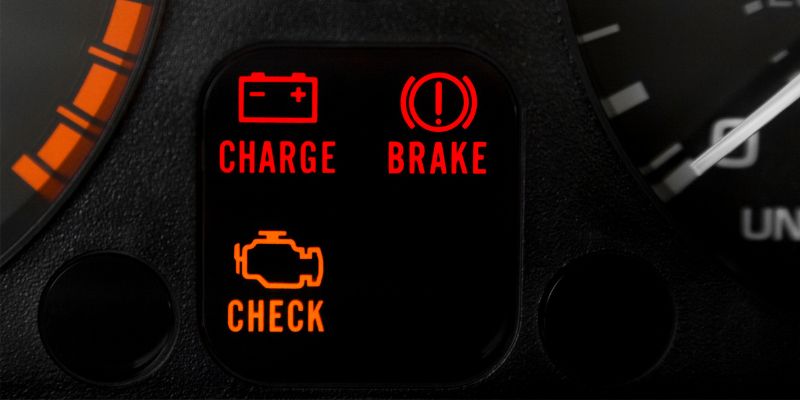
The brake system warning light typically looks like a circle with an exclamation mark inside, sometimes with the word “BRAKE” or parentheses around it. It’s designed to alert you to issues with your braking system, which includes components like brake pads, rotors, brake fluid, and the anti-lock braking system (ABS). In my years of driving and chatting with mechanics, I’ve learned that this light can come on for a variety of reasons, from minor issues to more serious ones. Let’s break down the most common causes.
Common Reasons the Brake System Warning Light Comes On
There are several reasons why your brake system warning light might decide to make an appearance. I’ve had this happen to me a couple of times, and each time it was a different issue. Here’s a rundown of the most common culprits, based on what I’ve seen and learned:
Low Brake Fluid
One of the first things I check when the brake light comes on is the brake fluid level. Brake fluid is like the lifeblood of your braking system—it helps transfer the force from your foot on the pedal to the brakes themselves. If the fluid is low, the warning light will often pop on. This happened to me once when I was driving my old sedan, and it turned out to be a tiny leak in the brake line. Other times, low fluid can mean your brake pads are wearing down, causing the system to use more fluid to compensate.
Worn Brake Pads
Brake pads are the unsung heroes of your car. They press against the rotors to slow or stop your vehicle, but they wear out over time. I learned this the hard way when my car started making a grinding noise, and the brake light came on. Many modern cars have sensors that trigger the warning light when the pads get too thin. If you hear squeaking or grinding when you brake, it’s probably time to check those pads.
Parking Brake Is Engaged
This one’s a bit embarrassing, but I’ll admit it—I’ve left my parking brake on by accident more than once! If your parking brake is engaged, even just a little, the brake system warning light might come on. It’s your car’s way of saying, “Hey, you’re dragging me down!” A quick check of the parking brake lever or pedal usually solves this one.
ABS Issues
The anti-lock braking system (ABS) helps prevent your wheels from locking up during sudden stops. If there’s a problem with the ABS, like a faulty sensor or module, the brake system warning light might light up. I had a friend who ignored this, thinking it was no big deal, only to find out later that her ABS wasn’t working properly in an emergency. It’s worth getting this checked out.
Brake System Malfunction
In rarer cases, the light could signal a bigger issue, like a problem with the master cylinder, brake lines, or hydraulic system. This is where things get serious. I remember taking my car to a mechanic when the light stayed on even after checking the basics, and they found a small issue with the master cylinder that could’ve turned into a major problem. If the light stays on or you notice your brakes feeling spongy or unresponsive, don’t wait—get it looked at.
Here’s a quick table to summarize the common causes:
| Cause | What It Means | What to Do |
|---|---|---|
| Low Brake Fluid | Fluid level is too low, possibly due to a leak or worn pads | Check fluid level, inspect for leaks, top off if needed |
| Worn Brake Pads | Brake pads are too thin to work effectively | Have pads inspected and replaced |
| Parking Brake Engaged | Parking brake is on, restricting movement | Check and release parking brake |
| ABS Issues | Problem with anti-lock braking system | Get ABS system diagnosed by a mechanic |
| Brake System Malfunction | Issue with master cylinder, lines, or hydraulics | Seek professional help immediately |
What to Do When the Brake System Warning Light Comes On
Okay, so the light’s on—now what? I’ve been in this situation, and the first thing I do is stay calm. Panicking won’t help, but taking a few simple steps can. Here’s my go-to process for dealing with the brake system warning light:
Step 1: Check the Parking Brake
Like I mentioned earlier, sometimes it’s just the parking brake. I pull over safely, check if the parking brake is engaged, and release it if it is. If the light goes off, great! You’re good to go. If not, move to the next step.
Step 2: Listen and Feel for Brake Issues
Pay attention to how your brakes feel. Do they feel soft or spongy? Is there a grinding noise? One time, I noticed my brake pedal felt mushy, and that was a clue that something was off with the fluid. If you notice anything unusual, it’s a sign to get your car checked sooner rather than later.
Step 3: Check Brake Fluid
If you’re comfortable popping the hood (and your car’s manual is handy), check the brake fluid reservoir. It’s usually near the back of the engine compartment, labeled with “brake fluid.” If it’s low, you can add Brake fluid (check your manual for the right type—DOT 3, DOT 4, etc.). I did this once, but I also took my car to a mechanic afterward to make sure there wasn’t a leak causing the low fluid.
Step 4: Drive Carefully to a Mechanic
If the light stays on or you’re unsure what’s wrong, don’t ignore it. I made the mistake of driving around for a week with the light on once, thinking it was no big deal, and it ended up costing me more in repairs. Drive slowly, avoid heavy braking, and get to a trusted mechanic as soon as possible. If the brakes feel unsafe, don’t drive—call for a tow.
How Serious Is the Brake System Warning Light?
I’ll be honest—this light can mean anything from a minor annoyance to a major safety issue. In my experience, it’s usually something manageable, like low fluid or worn pads, but you can’t take chances. Your brakes are your car’s most important safety feature. If they fail, you’re in serious trouble. I’ve heard stories from friends who ignored the light and ended up with costly repairs or, worse, close calls on the road. If the light is flashing or paired with other warning signs (like a spongy pedal or strange noises), treat it as an emergency.
How to Prevent Brake System Warning Light Issues
Prevention is always better than dealing with a problem after it happens. I’ve learned a few tricks over the years to keep my brake system in good shape and avoid that dreaded warning light. Here’s what I do:
Regular Brake Inspections
I take my car for a brake inspection every year or so, even if nothing seems wrong. Mechanics can check your pads, rotors, and fluid levels before problems get serious. It’s like going to the dentist for a checkup—catching issues early saves you a lot of hassle.
Keep an Eye on Brake Fluid
I make it a habit to glance at my brake fluid level every few months, especially if I’m doing a lot of city driving with frequent stops. Low fluid can sneak up on you, so topping it off or catching a leak early can prevent the warning light from coming on.
Listen to Your Car
Your car talks to you through sounds and sensations. Grinding, squealing, or a soft pedal are all signs that something’s up. I learned to trust my instincts—if something feels off, I get it checked out right away.
Drive Smoothly
Slamming on the brakes or riding them hard can wear out your brake system faster. I try to brake gently and give myself plenty of space to stop, especially in traffic. It’s easier on your brakes and keeps them in good shape longer.
When to Seek Professional Help
I’m all for DIY checks when it comes to simple things like checking the parking brake or fluid levels, but brakes are one area where I don’t mess around. If the warning light stays on after checking the basics, or if you notice anything weird with how your brakes feel, it’s time to call in the pros. A good mechanic can run diagnostics to pinpoint the issue, whether it’s a sensor problem, a leak, or something more serious. I’ve found that spending a little on a professional inspection is way better than risking a brake failure.
My Personal Experience with the Brake System Warning Light
Let me share a quick story. A few years ago, I was driving home from a road trip when the brake system warning light came on. My heart sank—I was in the middle of nowhere, and the nearest mechanic was miles away. I pulled over, checked the parking brake (it was off), and took a deep breath. I drove slowly to the nearest shop, where they found that my brake fluid was dangerously low due to a small leak. They fixed it up, and I was back on the road in no time. That experience taught me to never ignore the warning light and to always have a plan for getting help when I need it.
Keeping Your Car Safe and Reliable
At the end of the day, the brake system warning light is your car’s way of keeping you safe. It’s like a friend giving you a heads-up that something needs attention. By understanding what it means, checking the basics, and taking action when needed, you can keep your car running smoothly and avoid bigger problems down the road. I’ve learned to treat my car like a partner—it needs care and attention to keep performing at its best.
If you’re ever unsure about what to do, don’t hesitate to reach out to a mechanic you trust. They’ve helped me out of plenty of jams, and they’ll do the same for you. Stay safe on the road, and keep listening to what your car’s trying to tell you!
FAQs
Why does the brake system warning light come on when I start my car?
When you start your car, the brake system warning light might briefly come on as part of the dashboard’s self-check. I’ve noticed this on my own car—it’s normal for the light to flash for a second or two. If it stays on, though, there’s likely an issue that needs checking, like low fluid or a sensor problem.
Can I drive with the brake system warning light on?
I wouldn’t recommend it unless you’re sure it’s something minor, like the parking brake being on. I’ve driven short distances to a mechanic with the light on, but only after checking that the brakes felt okay. If the brakes feel spongy or unresponsive, don’t drive—get a tow instead.
How much does it cost to fix brake system issues?
The cost depends on the problem. From my experience, topping off brake fluid might cost nothing if you do it yourself, while replacing brake pads can run $100-$300 per axle. More serious issues, like a master cylinder repair, could cost $500 or more. Always get a quote from your mechanic first.
How often should I check my brake fluid?
I check mine every few months, especially if I’m doing a lot of stop-and-go driving. Your car’s manual will have a schedule, but a quick peek under the hood every oil change or so can catch problems early.
Can worn brake pads cause the warning light to come on?
Yes, absolutely! I’ve had this happen when my brake pads got too thin. Many cars have sensors that trigger the light when the pads wear down, so it’s a good idea to have them checked if the light comes on.