
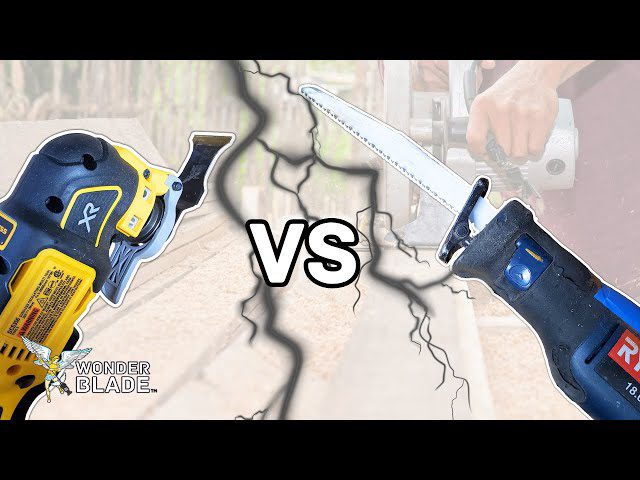
Choosing the right tool can make all the difference in your DIY projects or professional tasks. If you’re deciding between an oscillating saw and a reciprocating saw, you’re in the right place.
These powerful tools might seem similar at first glance, but they have unique features that cater to specific needs. Understanding these differences can save you time, effort, and even money. Are you ready to discover which saw best suits your projects?
Let’s dive into the details and help you make an informed decision that will enhance your tool arsenal.
Key Features Of Oscillating Saws
Oscillating saws are versatile and handy tools. They can cut, sand, and grind. Different blades fit for different tasks. Easy blade changes make them user-friendly. These saws work well in tight spaces. Their compact size helps in hard-to-reach areas.
Oscillating saws are great for precision work. They offer control and accuracy. This makes them perfect for delicate projects. They are also quiet and produce less vibration. This ensures comfort during long tasks. A soft grip handle often adds to ease of use.
Most oscillating saws have variable speed settings. This feature lets you adjust to the task. You can work on wood, metal, or plastic. Oscillating saws are ideal for home improvement. They are a favorite among DIY enthusiasts. Their multi-functionality saves time and space.
Key Features Of Reciprocating Saws
Reciprocating sawsare strong and cut fast. They use powerful motors to cut. This makes them great for big jobs. They can cut through wood, metal, and pipes. You can finish tasks quickly with them.
These saws are handy for many tasks. You can use them in construction. They help with demolition work too. Their blades can be changed easily. This makes them suitable for various materials.
Most models are easy to hold. They have comfy grips for safety. You can use them for long periods. Lightweight designs help reduce fatigue. This means you work longer without stress.
Performance And Versatility
Oscillating sawsare great for small cuts. They work well in tight spaces. They can make precise cuts in delicate areas. Reciprocating sawsare powerful for big jobs. They cut through thick materials fast. Both are useful, but for different tasks.
Oscillating sawshandle a wide range of materials. They cut wood, metal, and plastic. They are handy for home repairs. Reciprocating sawsare better for heavy materials. They tackle metal pipes and thick wood. Choose the right saw for the material.
Oscillating sawsgive more control. They make clean and neat cuts. Perfect for detail work. Reciprocating sawsare less precise. They are faster but rougher. Great for demolition tasks. Pick the saw based on your need for control.
Credit: www.dentallabshop.com
Ease Of Use And Handling
Oscillating saws are often lighterthan reciprocating saws. This makes them easier to hold for long times. Their compact sizehelps in tight spaces. Reciprocating saws can be bulkierand heavier. They may require more strength to handle. Small hands may find oscillating saws more comfortable.
Good tools should be comfortablein the hand. Oscillating saws often have soft grips. This makes them easy to hold. Reciprocating saws might have vibrationthat can tire hands. Both saws need proper handling to avoid strain. Always pick the tool that feels right to you.
Blade Options And Accessories
Oscillating saws offer a wide variety of blade options. These blades are good for cutting wood, metal, and even tiles. Reciprocating saws also have many blade choices. They cut through thick wood and hard metals easily. Both saws can handle different jobs. But an oscillating saw is best for small, detailed tasks. Reciprocating saws are better for big, strong cuts. Choose the right blade for your task. This will make your work easier and faster.
Both saw types have many accessories. Oscillating saws often have sanding and scraping tools. These are great for finishing touches. Reciprocating saws have strong attachments for demolition work. Make sure to check if the accessory fits your saw. This helps to use them safely and correctly. Accessories can improve how the saw works. They can make cutting quicker and more precise. Always pick the right tool for your job. It makes a big difference.

Credit: www.youtube.com
Durability And Maintenance
Oscillating saws excel in durability due to fewer moving parts, minimizing wear and tear. Reciprocating saws demand regular maintenance, as their aggressive motion can lead to quicker component fatigue.
Build Quality
The oscillating saw has strong parts. It stays good for a long time. The reciprocating saw is also made well. It can handle tough jobs. Both saws can work in rough places. They don’t break easily. Choose a saw that feels solid. Check if the parts are tight. This helps the saw last longer.
Maintenance Requirements
Keeping your saw clean is important. Wipe it after use. Check the blades often. Replace them if dull. Oil moving parts sometimes. This stops rust and keeps them smooth. Store the saw in a dry spot. This prevents damage. Read the manual for more tips. It guides you on care steps. Regular checks help the saw work well. Follow these steps to keep your saw strong.
Cost And Value
The oscillating sawusually costs more upfront. It is often used for detailed work. The reciprocating sawis cheaper. It is better for demolition tasks. A buyer should check their needs. It helps to choose the right saw. Both types have unique benefits. Quality affects the initial price. A high-quality saw lasts longer.
Over time, each saw has different expenses. The oscillating saw may need special blades. These blades can be expensive. The reciprocating saw has cheaper blades. It might need more blades over time. Maintenance is key for both saws. A well-maintained saw works better. Both saws can last many years. Choosing wisely saves money in the long run.
Ideal Applications
An oscillating sawis great for small home tasks. It can cut in tight spots easily. This saw is handy for trimming pipes and cutting drywall. The reciprocating sawis better for bigger jobs. It can cut through wood and metal fast. This saw is perfect for demolishing walls. Both tools help with home improvements. Choose based on the project’s size.
Professionals use these saws for different tasks. The oscillating saw is precise. It is used for delicate cuts. It works well in corners. The reciprocating saw is strong. It is used for heavy-duty tasks. It can cut through thick materials. Both are key tools in a pro’s kit. Each has its own use.
Pros And Cons
Oscillating saws are very versatile tools. They work for cutting, sanding, and scraping. These saws are easy to control in tight spots. They make smooth cuts with less noise. They are also safe for beginners. But, they can be expensive. The blades wear out fast, needing frequent changes. Oscillating saws are not ideal for very hard materials. They may not cut very fast on large jobs.
Reciprocating saws are great for demolition work. They cut through wood, metal, and plastic quickly. These saws are powerful and efficient. They handle tough jobs well. But, they are not as precise as oscillating saws. They are louder and can be hard to control. Reciprocating saws are heavier and can tire your arms. They are not suited for detailed work.
Choosing The Right Saw
Understanding project needs is key. An oscillating saw is great for precise cuts. It works well on small jobs. Cutting tiles or drywall is easy with it. A reciprocating saw is powerful. It handles big tasks with ease. Cutting through wood or metal is fast. It’s ideal for demolition work. Choose based on your project size. Small projects need precision. Large projects need power. Pick the saw that fits your task best.
Experience level matters in saw choice. Beginners find oscillating saws easy. It’s safe and simple to use. Reciprocating saws need skill. They are strong and quick. Training is needed for safe use. Advanced users may prefer the challenge. Beginners should start simple. Choose a saw that matches your skill. Practice makes perfect. Start small, then go big. Safety first, always.

Credit: www.pinterest.com
Frequently Asked Questions
What Is The Difference Between Reciprocating And Oscillating?
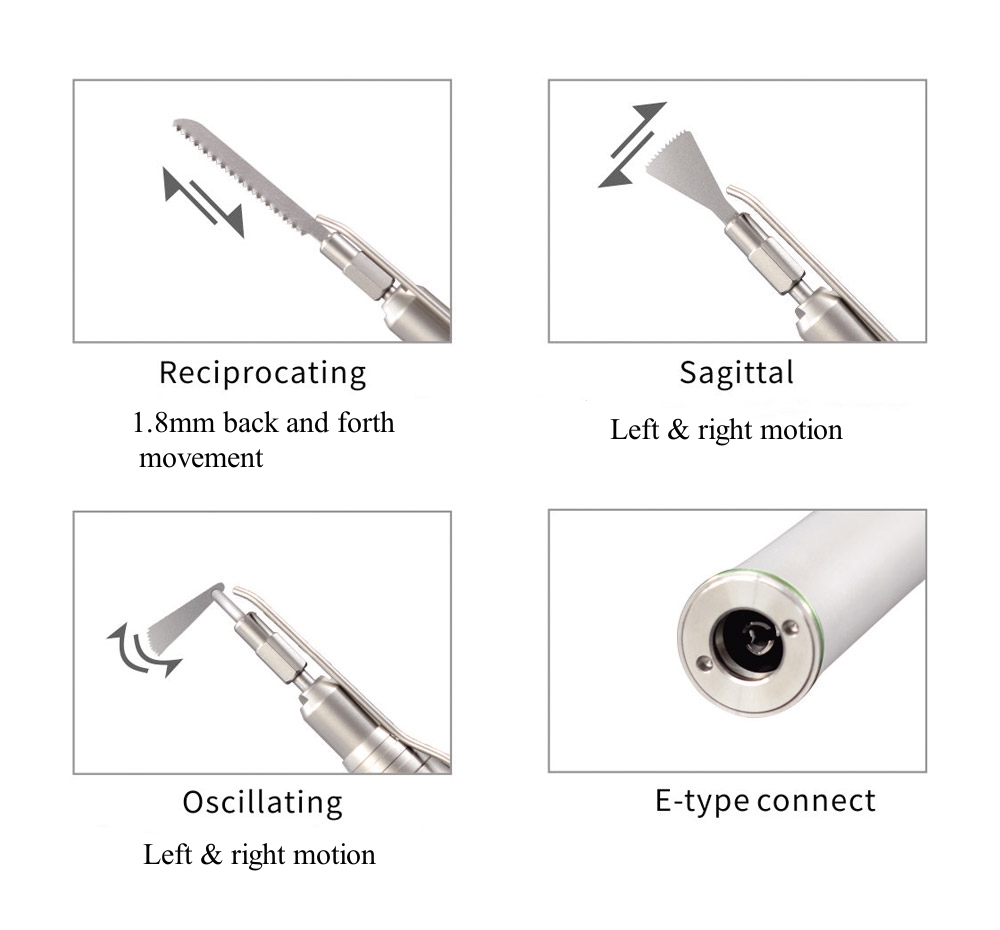
Reciprocating involves back-and-forth motion in a straight line. Oscillating involves a swinging motion around a pivot point. Both motions are common in machinery and tools.
Can You Cut 2×4 With An Oscillating Saw?
Yes, an oscillating saw can cut a 2×4, but it’s not ideal for thick wood. Use a blade designed for wood to improve efficiency. For larger projects, a circular saw or miter saw is recommended. An oscillating saw is better suited for small cuts and detailed work.
What Is An Oscillating Saw Good For?
An oscillating saw is great for precision cutting, sanding, and scraping tasks. It excels at trimming door jambs, cutting pipes, and removing grout. With versatile attachments, it can tackle various materials like wood, metal, and drywall. Ideal for DIY projects and professional renovations, it enhances efficiency and accuracy.
Why Doesn’t An Oscillating Tool Cut Skin?
An oscillating tool doesn’t cut skin because it operates at high speed with low amplitude. This allows it to cut hard materials effectively while being gentle on soft tissue, like skin. The tool’s rapid oscillations cause minimal friction, reducing the risk of injury.
Conclusion
Choosing between an oscillating saw and a reciprocating saw depends on your needs. Oscillating saws work well for precise and detailed tasks. Reciprocating saws excel at demolition and heavy-duty cutting. Consider the materials you work with most. Also, think about the specific projects you plan to tackle.
Both tools have their strengths and limitations. Knowing what you need can guide your choice. Remember, the right tool makes your job easier and faster. Evaluate your projects and decide accordingly. Happy cutting!