
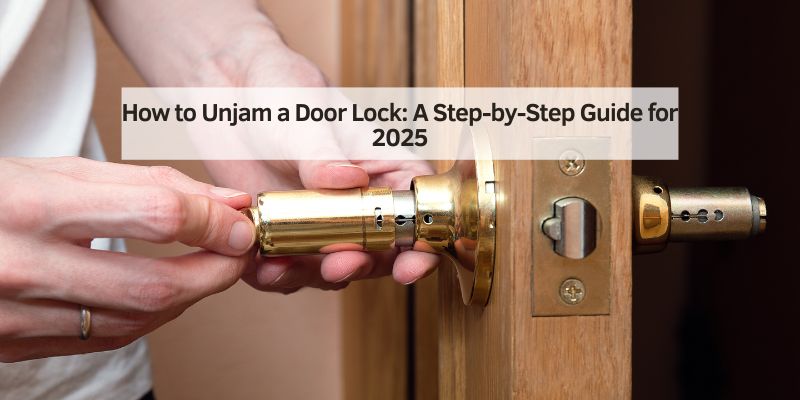
Hey there! There’s nothing more frustrating than a jammed door lock, especially when you’re trying to get into your house or car after a long day. I’ve been there, jiggling keys and muttering under my breath, wondering how to unjam a door lock without breaking something. As a car enthusiast who’s spent years tinkering with vehicles and home projects, I’ve tackled my fair share of sticky locks, from my front door to my classic Mustang’s trunk.
I’m thrilled to share my know-how with you in this guide, perfect for anyone in the USA looking to fix a jammed lock without calling a locksmith. Whether it’s your home, garage, or car door, I’ll walk you through the process step-by-step, with practical tips to get that lock working smoothly again. Let’s dive in and unlock this problem together!
What Causes a Door Lock to Jam?
Before we fix the problem, let’s talk about why locks jam in the first place. Understanding the cause helps you prevent it from happening again. I learned this the hard way when my garage door lock kept sticking every winter. Here are the common culprits:
- Dirt and Debris: Dust, grime, or even tiny bits of rust can build up inside a lock, making it hard for the key to turn. My car’s door lock jammed once because road dust got inside.
- Rust or Corrosion: Moisture can cause metal parts to rust, especially in exterior locks. This happened to my front door lock after a rainy season.
- Worn or Damaged Keys: A bent or worn key can get stuck or fail to turn the lock properly. I had an old key that was so worn it barely worked.
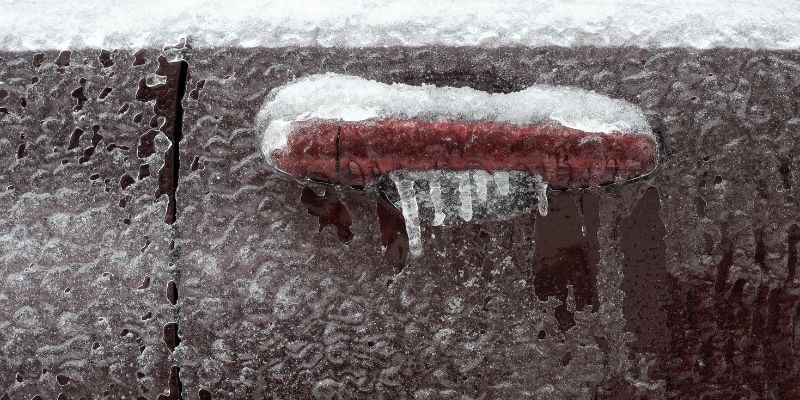
- Frozen Locks: In cold weather, moisture inside the lock can freeze, locking it up tight. This is common for car doors in winter.
- Misaligned Lock or Door: If the door or lock isn’t aligned, the bolt may not move smoothly. My garage door sagged over time, causing the lock to jam.
- Lack of Lubrication: Locks need lubrication to work smoothly. Without it, parts can grind and stick. I neglected this for years and paid the price.
Knowing the cause guides your fix, so let’s gather the tools you’ll need next.
Tools and Supplies You’ll Need
Fixing a jammed lock doesn’t require fancy equipment, but having the right stuff makes the job easier. I’ve built a little kit over the years for lock emergencies, and here’s what I recommend:
- Lubricant: Graphite powder or a silicone-based spray like WD-40 Specialist Dry Lube. Avoid oily lubricants like regular WD-40, as they attract dirt.
- Compressed Air: A can of compressed air blows out dust and debris.
- Screwdriver: For removing the lock or adjusting the strike plate.
- Needle-Nose Pliers: To pull out stuck keys or debris.
- Lock De-Icer: For frozen locks in winter.
- Rubbing Alcohol: To clean the lock and key.
- Cloth or Rag: For wiping down parts.
- Replacement Key: If your key is worn or bent.
- Hammer: To gently tap misaligned parts.
- Flashlight: To see inside the lock.
For car locks, I also keep a small plastic wedge and a slim jim in my toolkit, but use these carefully to avoid damage. Now, let’s get to fixing that lock.
Step-by-Step Guide to Unjamming a Door Lock
Alright, let’s roll up our sleeves and tackle that jammed lock. I’ll walk you through the steps I use, whether it’s a home or car door. Follow along, and you’ll have it working in no time.
Step 1: Inspect the Key and Lock
First, take a close look at your key. Is it bent, worn, or damaged? I once tried to force a bent key into my car door, and it made the jam worse. If the key looks bad, try a spare. If the spare works, get a new key cut. Next, shine a flashlight into the lock. Look for dirt, rust, or anything blocking the mechanism. This step helps you decide what to try next.
Step 2: Clean the Lock
Dirt is a common cause of jams, so let’s clean it out. Grab your compressed air and give the lock a few short bursts to blow out dust. I did this on my front door lock, and a cloud of grime came out! Then, dip a cotton swab in rubbing alcohol and gently clean inside the lock. Wipe the key with alcohol, too. This removes sticky residue and preps the lock for lubrication.
Step 3: Lubricate the Lock
Lubrication is a game-changer for sticky locks. I swear by graphite powder—it’s dry and won’t attract dirt. Squeeze a small amount into the keyhole, then insert and turn the key a few times to spread it. For car locks, I use a silicone-based spray because it’s safe for plastic parts. Spray a tiny amount, then work the key in and out. Be patient; it might take a minute to loosen things up. I fixed my garage lock this way, and it’s been smooth for years.
Step 4: Address Frozen Locks
If it’s winter and your lock is frozen, you’ll need a deicer. I keep one in my car because my truck’s locks freeze every January. Spray the de-icer into the keyhole and wait a few seconds. Gently try the key, but don’t force it. You can also warm the key with your hands or a lighter (carefully!) before inserting it. Once it’s thawed, lubricate the lock to prevent refreezing.
Step 5: Free a Stuck Key
If your key is stuck in the lock, don’t panic. I’ve been here with my old Jeep’s door lock. Spray lubricant into the keyhole, then gently wiggle the key back and forth. Use needle-nose pliers to pull it out if needed, but don’t yank too hard. If it’s really stuck, tap the lock lightly with a hammer to loosen the pins. Patience is key—pun intended!
Step 6: Check for Alignment Issues
If the lock still jams, the door or lock might be misaligned. I had this issue with my garage door after years of use. Open the door and look at the strike plate (the metal piece on the frame). If the bolt doesn’t line up, loosen the strike plate screws and adjust it slightly. For car doors, check if the door sags when open. If it does, you may need to tighten hinge bolts or call a pro.
Step 7: Test the Lock
Once you’ve tried these steps, test the lock. Insert the key and turn it slowly. If it works, great! Lock and unlock it a few times to make sure it’s smooth. If it’s still sticky, repeat the cleaning and lubrication steps. For my Mustang’s trunk lock, I had to clean and lube it twice to get it perfect.
Step 8: Consider Replacing the Lock
If nothing works, the lock might be too damaged. I replaced my back door lock last year because the internal pins were shot. You can buy a new lock at a hardware store for $20-$50. Follow the instructions to install it, or call a locksmith if you’re not confident. For car locks, a professional is often best to avoid damaging the door.
Unjamming Car Door Locks: Special Tips
Car locks are trickier than home locks because they’re exposed to weather and have more complex mechanisms. As a car guy, I’ve dealt with plenty of jammed car doors. Here’s what I’ve learned:
- Avoid Force: Car locks are delicate, and forcing the key can break it or damage the lock cylinder. I learned this after snapping a key in my old Civic.
- Use Silicone Lubricant: Oil-based lubes can gum up car locks, so stick with silicone or graphite. I carry a small can in my glovebox.
- Check the Remote: If your car has a keyless entry, a jammed lock might not matter. Test the remote or manual lock button inside.
- Handle Frozen Car Locks: In winter, car locks freeze easily. Use de-icer or warm the key. I also park in the garage when possible to avoid this.
- Slim Jim Caution: If you’re locked out, a slim jim can help, but it’s easy to damage wiring or weatherstripping. I only use one as a last resort.
When my truck’s driver-side lock jammed, I cleaned it with compressed air and lubed it with silicone spray. It took 10 minutes, and I was back on the road.
Comparing Lock Lubricants
Choosing the right lubricant is crucial, so here’s a table I made based on my experience with different products:
| Lubricant | Type | Best For | Pros | Cons |
|---|---|---|---|---|
| Graphite Powder | Dry | Home and car locks | Long-lasting, doesn’t attract dirt | Quick-drying reduces friction |
| Silicone Spray | Dry | Car locks, plastic parts | Safe for plastics, easy to apply | May need reapplication |
| WD-40 Dry Lube | Dry | Home and exterior locks | Quick-drying, reduces friction | Slightly more expensive |
| WD-40 Regular | Oil-based | Not recommended | Widely available | Attracts dirt, can gum up locks |
| Lock De-Icer | Liquid | Frozen locks | Thaws ice quickly | Not a lubricant, single-use |
I stick with graphite for home locks and silicone for car locks—they’ve never let me down.
Preventing Future Lock Jams
Once your lock is working, you’ll want to keep it that way. I’ve got a routine to prevent jams, and it’s saved me a ton of hassle:
- Lubricate Regularly: Apply lubricant every 6-12 months, or sooner if the lock feels stiff. I do this for my home and car locks in spring and fall.
- Clean Keys: Wipe keys with rubbing alcohol occasionally to remove dirt. I keep my keys on a clean keychain to avoid grime.
- Protect from Weather: For exterior locks, install a weatherproof cover. In my garage, I added a cover to shield the lock from rain.
- Use Quality Keys: Cheap duplicate keys wear out fast. I get mine cut at a reputable locksmith.
- Check Alignment: Inspect doors yearly for sagging or misalignment. A quick tighten of screws can prevent jams.
When I started maintaining my locks, I went from constant jams to none in years. It’s worth the effort.
When to Call a Professional
Sometimes, a lock is beyond DIY fixes. I’ve called locksmiths a few times when I was out of my depth. Here’s when to get help:
- Broken Key in Lock: If the key snaps inside, a locksmith can extract it without damaging the lock.
- Complex Car Locks: Modern car locks, especially with transponder keys, are tricky. I called a pro for my wife’s SUV when the lock wouldn’t budge.
- Worn-Out Lock: If the lock is old and damaged, replacing it might be faster with a professional.
- Security Concerns: For high-security locks, a locksmith ensures proper installation.
A good locksmith costs $50-$150, but it’s cheaper than damaging your door or car.
Why Lock Maintenance Matters for Car Enthusiasts
As someone who loves cars, I know we care about every detail, from shiny rims to smooth engines. A jammed lock can ruin your day, especially if it’s on your pride-and-joy vehicle. Keeping your car’s locks in top shape ensures you can access it anytime, whether you’re heading to a car show or just running errands. Plus, a well-maintained lock adds to the overall polish of your ride. I always check my Mustang’s locks before a cruise, and it’s one less thing to worry about.
The Future of Door Locks in 2025
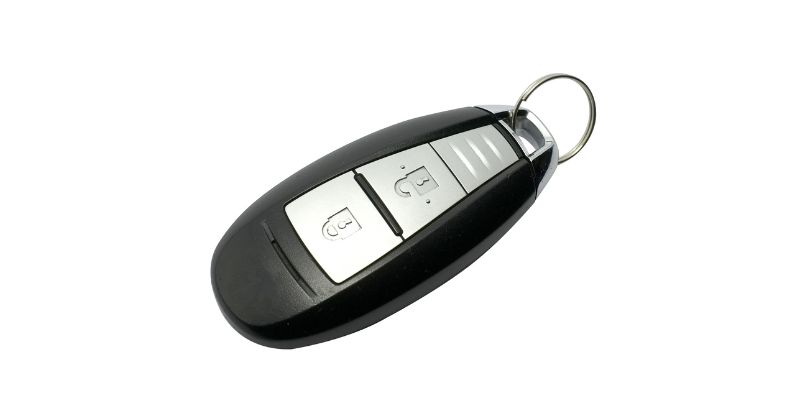
Locks are getting smarter, and I’m excited about where they’re headed. Keyless entry and smart locks are becoming standard in cars and homes, reducing the need for traditional keys. But mechanical locks aren’t going anywhere, especially for classic cars and older homes. Manufacturers are also making locks more durable with anti-corrosion coatings, which is great for car enthusiasts in rainy or snowy climates. I’ve even seen DIY-friendly lock kits that make maintenance easier—perfect for folks like us who love hands-on projects.
Conclusion
Fixing a jammed door lock is one of those small victories that feel amazing. Whether it’s your front door, garage, or car, a smooth lock means less stress and more time enjoying what you love, like hitting the road in your favorite ride. I’ve shared my best tips, learned from years of wrestling with sticky locks, to help you tackle this project with confidence.
From cleaning and lubricating to preventing future jams, you’ve got everything you need to keep your locks in top shape. So grab your tools, take it one step at a time, and enjoy the satisfaction of a job well done. Here’s to hassle-free access and more time cruising or relaxing at home!
Frequently Asked Questions
Why does my door lock keep jamming?
Dirt, rust, lack of lubrication, or a misaligned door can cause jams. Clean and lubricate the lock, and check for alignment issues.
Can I use WD-40 to unjam a lock?
Avoid regular WD-40—it’s oily and attracts dirt. Use WD-40 Specialist Dry Lube or graphite powder instead.
How do I fix a frozen car door lock?
Use a lock de-icer or warm the key slightly. Spray into the keyhole, wait a few seconds, and try the key gently.
What if my key is stuck in the lock?
Spray lubricant into the lock, wiggle the key gently, and use pliers to pull it out. Tap the lock lightly if needed.
How often should I lubricate my locks?
Every 6-12 months, or when the lock feels stiff. I do mine twice a year to prevent jams.
Can a jammed lock be a security risk?
Yes, a sticky lock might not secure properly. Fix it promptly or replace it to keep your home or car safe.
Should I replace a jammed lock or fix it?
Try cleaning and lubricating first. If it’s still jammed or damaged, replace it or call a locksmith.