
Bolded Quick Summary (Top of Article)
To save your grass from dog urine, you must dilute the spot immediately after your dog pees. Long-term fixes involve training your dog to use a designated potty area, amending the soil with gypsum, or choosing urine-resistant grass varieties like fescue. Consistency is key to restoring your lawn’s health.
We all love our furry friends, but their little “gifts” can leave big, brown, dead patches in our beautiful lawns. Seeing those spots pop up is frustrating, especially when you work hard to keep your yard looking great. Don’t worry; this happens to almost every dog owner! You don’t need expensive landscaping help to fix this common problem. With a few simple tools and consistent habits, you can heal those yellow spots and keep your grass green and healthy. We are going to walk through easy, step-by-step fixes you can start today.
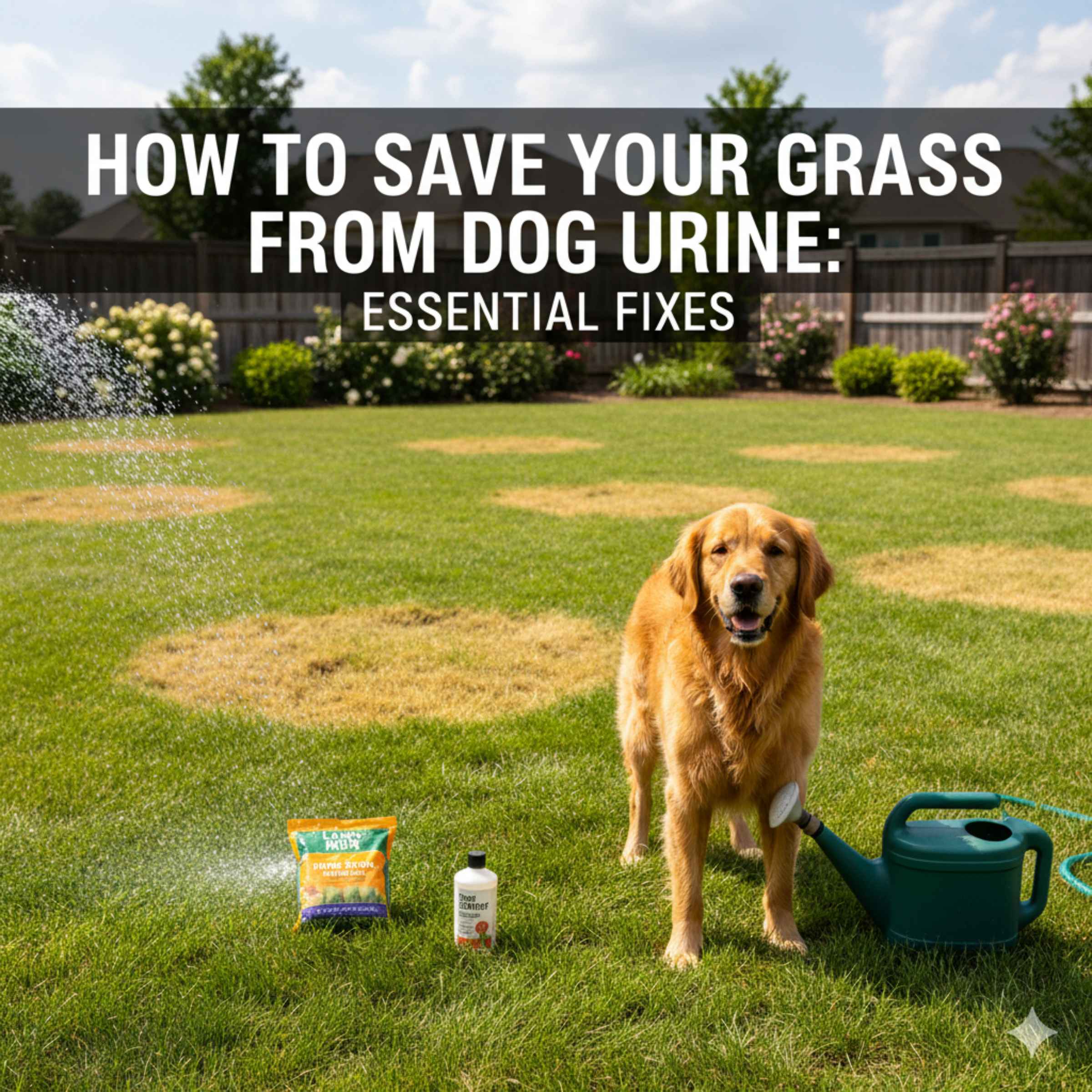
How To Save Your Grass From Dog Urine: Essential Fixes
Dog urine might seem like just water, but it’s actually highly concentrated with nitrogen and salts. When a small amount of this concentrated liquid hits your lawn, it’s like pouring too much fertilizer on one spot—it burns the grass right out of the ground. The good news is that understanding why it happens is the first step to stopping it. We will cover quick fixes for existing spots and long-term prevention strategies to keep your lawn looking lush all year long.
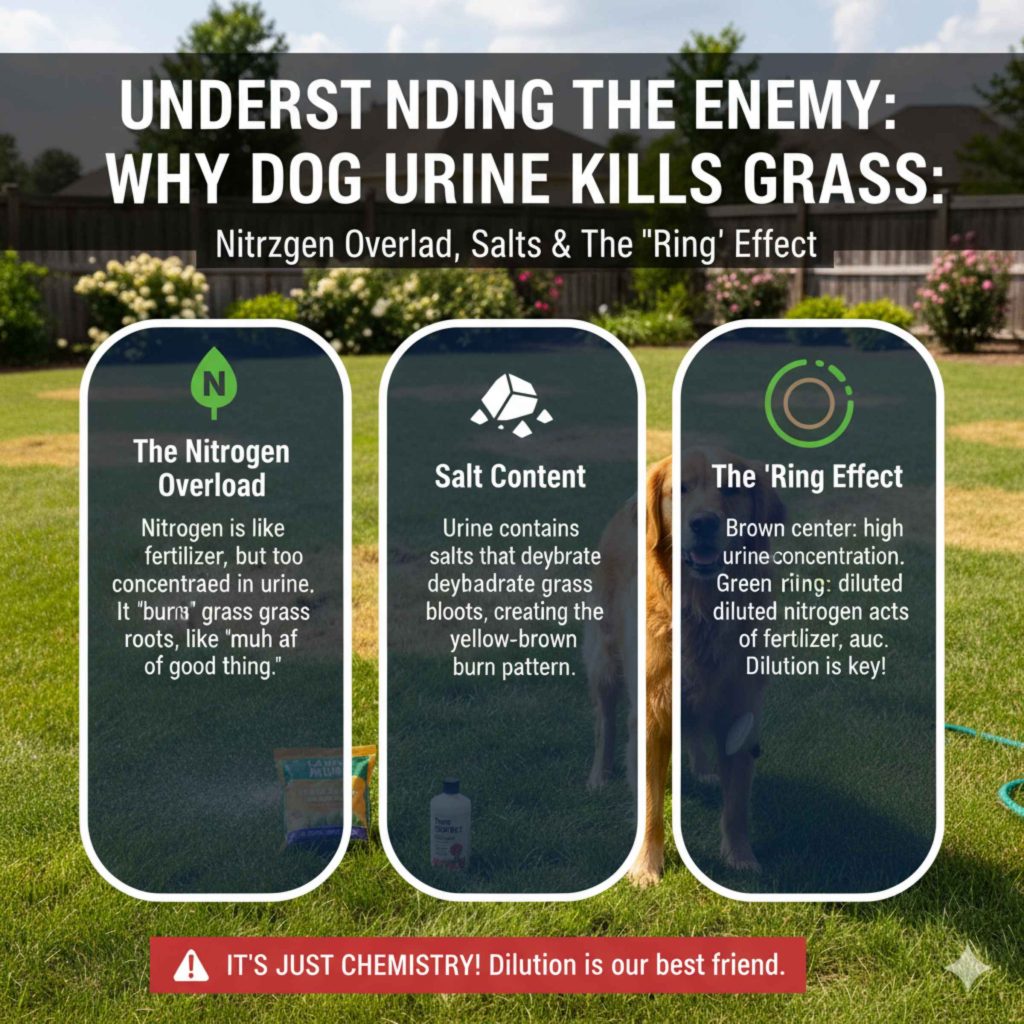
Understanding the Enemy: Why Dog Urine Kills Grass
Before we grab the watering can, let’s quickly look at what’s in dog pee that causes those ugly brown circles. It’s not the dog’s fault; it’s just chemistry! Knowing this helps us choose the right treatment.
The Nitrogen Overload
Nitrogen is essential for grass growth, which is why we put fertilizer down. However, the concentration of nitrogen in dog urine is too high for the grass roots to handle all at once. Think of it like drinking a whole gallon of soda in one gulp—it’s just too much for your system!
Salt Content
Dog urine also contains salts. These salts draw moisture out of the grass blades and roots, leading to dehydration and the classic yellow-brown burn pattern.
The “Ring” Effect
You often see a brown spot in the middle with a ring of bright green grass around it. Why? The brown center is where the urine was most concentrated. The green ring is where the nitrogen was diluted enough by surrounding soil and water to act as a perfect, mild fertilizer. This tells us dilution is our best friend!
Immediate Action: Saving a Fresh Urine Spot (The 5-Minute Fix)
If you catch your dog in the act, or notice a fresh spot right away, acting fast is crucial. This is the single most effective thing you can do to prevent a permanent patch.
Tools You Will Need:
- Garden Hose with a Spray Nozzle
- A Bucket (Optional, for carrying water)
Step-by-Step Dilution Process
- Act Fast: As soon as you see your dog finish, get your hose. The faster you act, the better the outcome.
- Water Heavily: Place the hose nozzle right over the affected area. Turn the water on to a gentle but steady stream. You need to water this spot thoroughly for at least 2 to 3 minutes.
- Soak Deeply: The goal isn’t just to wet the blades; you need to flush the nitrogen and salts down past the root zone. You should see the water soaking deep into the soil, not just running off the top.
- Repeat if Necessary: If you are dealing with a very large dog or a very dry day, you might want to repeat this heavy soaking an hour later.
Pro Tip: Keep a dedicated watering can or a brightly colored bucket near your back door specifically for this purpose. It makes grabbing the tool much faster!
Fixing Existing Brown Spots: Repairing the Damage
If you didn’t catch the accident in time and now you have a dead patch, don’t panic. Repairing it is much like patching a small hole in your drywall—it takes a bit of prep work, but the result is a smooth, seamless fix. This process works best in the spring or early fall when grass is actively growing.
Tools and Materials for Repair:
- Garden fork or aerator
- Rake (a stiff dethatching rake works best)
- Topsoil or compost
- Grass seed (matching your existing lawn type)
- Starter fertilizer
The Lawn Patching Guide
- Assess and Clear the Area: Gently scratch the brown patch with your fingernail or a small trowel. If the soil underneath is hard and crusty, you need to loosen it up. Gently rake out all the dead, dead grass blades. You want to expose the bare soil underneath.
- Aerate the Soil: Use a garden fork to poke several holes about 4 to 6 inches deep across the entire damaged area and slightly beyond the edges. This helps water and new nutrients reach the roots of the surrounding healthy grass. You can learn more about the importance of soil aeration from resources like the Old Farmer’s Almanac on lawn care.
- Amend the Soil: Dog urine changes the soil pH and structure. Mix a small amount of compost or screened topsoil into the loosened dirt. This adds organic matter, which helps buffer the remaining salts and improves drainage.
- Apply Seed and Fertilizer: Sprinkle your matching grass seed lightly over the prepared area. Follow the directions on the seed packet for application rate. Then, lightly rake the seeds in so they are barely covered by soil. Apply a thin layer of starter fertilizer designed to help new seeds establish.
- Water Gently and Consistently: This is critical for new seed! Water lightly several times a day—just enough to keep the top inch of soil consistently moist, but never soggy. Once the new grass is about 2 inches tall, you can switch to deeper, less frequent watering.
Long-Term Prevention: Stopping Future Damage
Repairing spots is good, but preventing them is even better! These strategies focus on managing your dog’s habits and improving your soil health so it can handle occasional accidents better.
Strategy 1: Training and Designated Areas
This is the most reliable, permanent fix. It requires patience, but it works!
- Create a Potty Zone: Choose a spot in your yard that is out of the way—perhaps a corner near a fence or a dedicated mulch bed. Make this spot appealing (some dogs like gravel or mulch).
- Leash Training: When taking your dog out, keep them on a leash until they use the designated spot. When they go there, praise them enthusiastically and give them a high-value treat immediately.
- The “Follow and Flush” Rule: Even if they use the designated spot, get in the habit of immediately watering down that area after they finish.
Strategy 2: Soil Amendments for Resilience
If you can’t control exactly where your dog pees, you can make your soil tougher. Certain amendments can help neutralize the high nitrogen and salt levels.
Using Gypsum (Calcium Sulfate)
Gypsum is a fantastic, natural soil conditioner. It helps break up compacted soil and, importantly, helps the soil process the excess nitrogen and salts from the urine without burning the grass. It’s a homeowner favorite for this exact problem because it doesn’t significantly change the soil pH.
How to Apply Gypsum:
| Area Size | Recommended Gypsum Application Rate | Application Method |
|---|---|---|
| Small Yard (Under 5,000 sq ft) | 10–15 lbs per 1,000 sq ft | Broadcast spreader or by hand |
| Large Yard (Over 5,000 sq ft) | 15–20 lbs per 1,000 sq ft (Annually) | Broadcast spreader (for even coverage) |
Apply gypsum when the soil is damp, and then water it in lightly. You can apply this once or twice a year as a preventative measure, especially in high-traffic dog areas.
Strategy 3: Dietary Adjustments (Consult Your Vet!)
While you should never change your dog’s diet without talking to your veterinarian, sometimes diet plays a role in urine concentration. High-protein diets can sometimes lead to more concentrated urine.
Ask your vet about:
- Ensuring your dog is drinking enough water. More water intake naturally dilutes the urine before it hits the lawn.
- Discussing whether a specific food formulation might be better for your dog’s overall health and the impact on their waste.
Choosing Dog-Friendly Grass Varieties
If you are planning to reseed or install new sod, choosing a grass that naturally handles pet waste better can save you a lot of headache down the road. Some grasses are simply more durable and resilient to nitrogen spikes.
Here is a quick comparison of common grass types:
| Grass Type | Urine Tolerance | Best For |
|---|---|---|
| Tall Fescue | High Tolerance | Partial sun, durable, deep roots. Excellent choice for dog owners. |
| Kentucky Bluegrass | Medium Tolerance | Needs lots of sun, forms a thick, nice-looking turf, but can struggle with high salts. |
| Perennial Ryegrass | Low to Medium Tolerance | Quick to establish, but often struggles the most with urine burn if not diluted immediately. |
| Bermudagrass | High Tolerance | Very heat and drought tolerant, tough enough to handle most dog traffic. |
As you can see, varieties like Tall Fescue are often recommended by turf experts because their deeper root systems can better absorb and process the nitrogen load. When purchasing seed, look for blends that emphasize these hardier species. For reliable information on regional grass types, check resources from your local Clemson University Home & Garden Information Center (or your local university extension office).
DIY Solutions: Natural Lawn Savers
Some homeowners prefer using readily available household items to treat spots. While these methods won’t replace heavy watering, they can help neutralize the problem areas.
1. Tomato Juice or Cornmeal Application
This is an old-school trick that often gets mixed reviews, but many folks swear by it for smaller spots. The theory is that the acidic nature of tomato juice or the organic matter in cornmeal helps neutralize the urine’s high pH and high nitrogen content.
How to use Tomato Juice:
- Mix one part tomato juice with two parts water.
- Pour this mixture over the affected brown patch.
- Let it sit for 10 minutes, then water the area thoroughly with plain water to rinse off excess juice.
Note: This method works best as a mild treatment for small, frequent accidents, not large, established burns.
2. Lawn Spot Treatment Products
If you want a dedicated product, there are commercial lawn treatments designed to counteract dog urine. These usually contain beneficial microbes or enzymes that break down the nitrogen compounds into harmless forms more quickly.
When shopping, look for products labeled as “Lawn Repair for Pet Stains” or “Enzymatic Urine Neutralizer.” Always read the label carefully to ensure it is safe for your specific grass type.
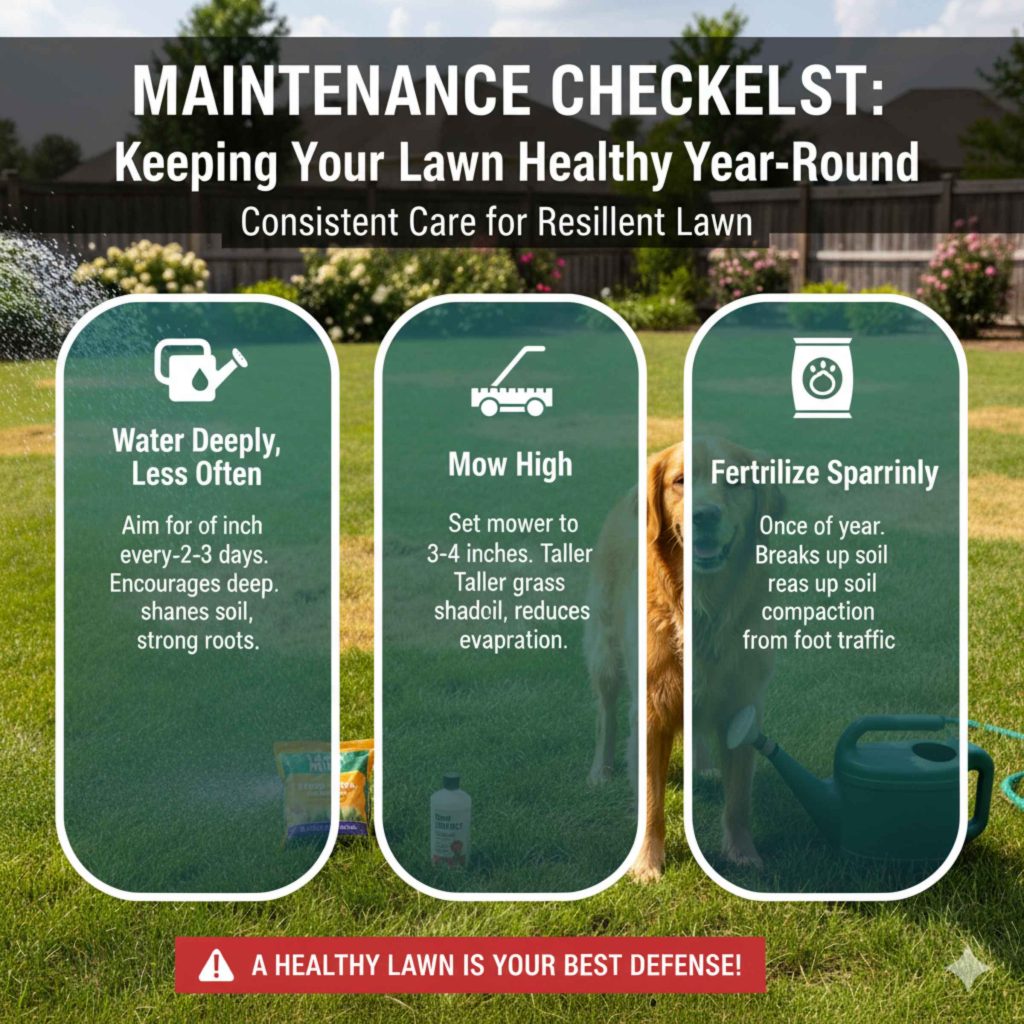
Maintenance Checklist: Keeping Your Lawn Healthy Year-Round
Saving your grass isn’t a one-time fix; it’s about consistent lawn care. A healthy, thick lawn is naturally more resilient to stressors like dog urine, heat, and foot traffic. Think of it like reinforcing your home’s structure—the stronger the foundation, the less damage a storm can cause.
Weekly Lawn Health Routine
- Water Deeply, Less Often: Instead of light daily sprinkling, water deeply (aiming for 1 inch of water) every 2 to 3 days. This encourages deep root growth, making the grass stronger overall.
- Mow High: Set your mower deck higher than you think you need to. Taller grass blades shade the soil, keeping the roots cooler and reducing water evaporation. Taller grass also hides minor blemishes better! Aim for 3 to 4 inches for most cool-season grasses.
- Fertilize Sparingly: When you do fertilize the entire lawn, use a slow-release fertilizer. This avoids sudden nitrogen spikes across the whole yard, making the inevitable accident less catastrophic.
- Regular Aeration: If your dog runs the same path daily, the soil underneath will compact. Aerating once a year breaks up this compaction, allowing air, water, and nutrients to penetrate the soil effectively.
Troubleshooting Common Beginner Mistakes
Even when trying to help, homeowners sometimes make simple mistakes that worsen the problem. Here are a few things to watch out for:
| Mistake | Why It Hurts the Grass | The Fix |
|---|---|---|
| Over-fertilizing to “fix” the brown spot. | You are adding even more concentrated nitrogen on top of the existing burn. | Only apply starter fertilizer when reseeding. Otherwise, stick to heavy watering. |
| Raking the dead spot too aggressively. | You damage the surrounding healthy grass roots or pull up healthy runners. | Use a light, gentle touch when removing dead thatch; focus on loosening the soil underneath. |
| Using household bleach or ammonia. | These chemicals are highly toxic and will sterilize the soil, killing everything in the patch permanently. | Never use harsh cleaning chemicals on your lawn. Stick to water, gypsum, or specialized lawn products. |
As a DIY enthusiast, remember that patience is your most important tool here. Grass takes time to recover, especially after chemical burn. Don’t get discouraged if you don’t see results the next day!
Frequently Asked Questions (FAQ)
Q1: How long does it take for a dog urine spot to heal naturally?
A: If you do nothing, a small spot might take several weeks to months to recover, depending on the grass type and weather. If you water heavily immediately, you can often stop the damage within a few days, and new growth can fill in within 1–2 weeks.
Q2: Can I use vinegar to treat dog urine spots on my lawn?
A: Some people suggest using white vinegar diluted with water (1 part vinegar to 4 parts water). While vinegar is acidic and can neutralize some alkalinity, it can also harm your grass if applied too strongly. Heavy watering is generally safer and more effective than vinegar treatment.
Q3: Will covering the spot with something help it grow back faster?
A: Yes, covering the seeded area with a thin layer of straw or a specialized “lawn patch” netting helps keep the seeds moist and protected from birds. Just ensure whatever you use is very thin so that sunlight can still reach the soil surface.
Q4: What is the best time of year to repair these brown patches?
A: The best time to repair and reseed is during the grass’s natural growing season. For cool-season grasses (like Fescue or Bluegrass), this is early fall (late August to October) or early spring (March to May). Fall is often preferred because the soil is warm, but the air is cool, which is ideal for seed germination.
Q5: Does feeding my dog supplements like “urine neutralizers” really work?
A: Some supplements claim to alter the composition of the urine. While they might slightly reduce the concentration in some dogs, their effectiveness varies greatly from dog to dog. Always discuss these supplements with your veterinarian first to ensure they are safe for your pet’s health.
Q6: My dog keeps peeing in the same spot. How do I discourage this without making him angry?
A: The key is positive redirection. Make the designated potty area highly rewarding (treats/praise) and slightly undesirable to pee elsewhere. You can temporarily place something your dog dislikes (like a small, harmless plastic decoration or even a dog-specific scent deterrent) on the old spot until the habit changes.
Conclusion: Your Green Lawn Confidence Boost
Dealing with dog urine spots can feel like a constant battle, but now you have a complete toolkit to win that fight. Remember, the secret weapon against those brown patches isn’t a fancy chemical; it’s speed, dilution, and consistency. If you catch it early, a good, long drink of water is all it takes. For existing damage, a little aeration and reseeding, combined with soil amendments like gypsum, will bring your lawn back to life.
As you continue your home improvement journey, whether it’s fixing a fence or nurturing your lawn, remember that practical knowledge leads to real results. Take confidence in these simple steps. Soon, you’ll spend less time patching dead spots and more time enjoying your beautiful, resilient, dog-friendly yard. Happy gardening!