
Hey there, friend! So, you’re curious about how to reset dashboard warning lights? I’m thrilled to dive into this with you because it’s one of those car topics that can save you a headache, especially for us gearheads who love keeping our rides in tip-top shape. I’ll never forget the first time my check engine light blinked on my old pickup—it felt like my truck was yelling at me! After years of tinkering, visiting mechanics, and learning the ins and outs of dashboard lights, I’ve got the full scoop on resetting those pesky warnings.
Whether you’re driving a daily commuter, a classic muscle car, or a work truck, this guide’s got you covered. Let’s sit down, like we’re chilling in your garage with a cold soda, and I’ll walk you through every step in simple terms. This article is packed with practical tips for anyone in the USA looking to keep their dashboard clear and their car happy. Ready to make those lights go away? Let’s get rolling!
What Are Dashboard Warning Lights?
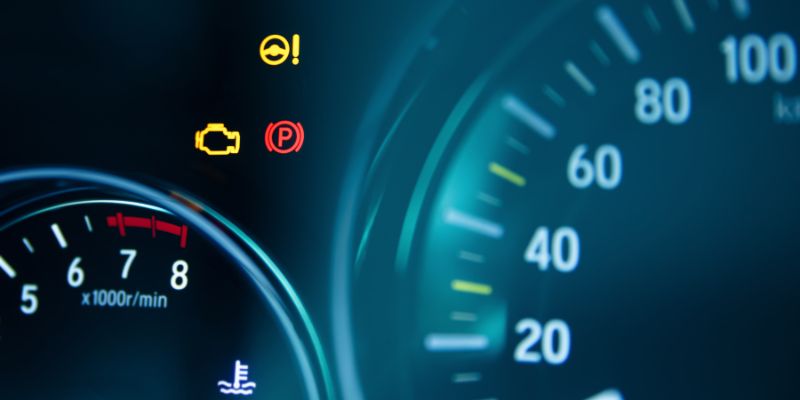
Dashboard warning lights are those little icons that pop up on your car’s instrument panel. They’re like your car’s way of talking to you, saying, “Hey, something needs attention!” I’ve seen all kinds—check engine, oil pressure, battery, and more. Each light has a specific meaning, from minor issues to serious problems.
In my truck, these lights are color-coded: yellow for warnings, red for urgent issues. They’re tied to sensors that monitor your car’s systems, like the engine, brakes, or airbags. Knowing what they mean is the first step to resetting them, and I’ve learned it’s not just about turning them off but fixing the root cause.
Why Do Dashboard Warning Lights Come On?
Those lights don’t just glow for fun—they’re triggered by problems. Here’s what I’ve seen cause them:
- Sensor Issues: Faulty sensors misread data. My check engine light came on because of a bad oxygen sensor.
- Low Fluids: Low oil or coolant sets off warnings. I ignored an oil light once—bad move!
- Electrical Problems: Weak batteries or loose wires. My battery light flicked on when my alternator was struggling.
- Engine Troubles: Misfires or bad spark plugs. My sedan’s light was a clogged fuel injector.
- Brake Issues: Worn pads or low fluid. My SUV’s brake light glowed when the pads were thin.
- Airbag Faults: Wiring or sensor glitches. I had an airbag light from a loose seat plug.
Understanding the cause helps you reset the light properly. I always check the basics before diving deeper.
Why Reset Dashboard Warning Lights?
Resetting warning lights isn’t just about a clean dash—it’s about safety and peace of mind. Here’s why I do it:
- Confirm Fixes: After fixing an issue, resetting clears the light. I reset my check engine light after replacing a sensor.
- Avoid Confusion: A lingering light hides new problems. My oil light stayed on after an oil change until I reset it.
- Pass Inspections: Some states fail cars with active lights. I cleared my truck’s light to pass inspection.
- Save Money: Fixing small issues early avoids big repairs. I caught a bad battery before it stranded me.
- Keep Value: A clear dash boosts resale value. I sold my sedan faster after resetting lights.
Resetting done right keeps your car running smoothly and your wallet happy. I learned it’s a mix of fixing and clearing.
Common Dashboard Warning Lights and Their Meanings
Different lights mean different things. I’ve dealt with these common ones:
- Check Engine Light: Engine or emissions issue. My truck’s light was a bad gas cap.
- Oil Pressure Light: Low oil or pump failure. I saw this when my oil was low.
- Battery Light: Charging system trouble. My SUV’s light meant a dying alternator.
- Brake Warning Light: Brake issues or low fluid. My car’s brakes had worn pads.
- Airbag Light: SRS system fault. I had this from a loose wire under my seat.
- Tire Pressure Light: Low tire pressure. I fixed mine with a $10 gauge.
- ABS Light: Anti-lock brake system problem. My friend’s car had a bad wheel sensor.
I keep my car’s manual handy—it lists every light. Knowing the icon helps me decide if I can reset it myself or need a pro.
Tools You Need to Reset Dashboard Warning Lights
Resetting lights doesn’t need a fancy shop. I use these tools:
- OBD-II Scanner: Reads and clears codes. I bought a $30 one on Amazon.
- Wrench or Screwdriver: For battery disconnects. My $10 tool set works fine.
- Voltage Tester: Checks battery health. I spent $15 on a non-contact tester.
- Tire Pressure Gauge: For tire lights. My $8 gauge is always in my glovebox.
- Car Manual: Explains lights and reset steps. I keep mine in my truck.
- Notebook: To jot down codes. I use a $2 notepad for tracking.
I spent about $65 on tools, but they’ve saved me hundreds in shop fees. Auto parts stores like AutoZone often lend scanners for free.
Step-by-Step Guide to Resetting Dashboard Warning Lights
Resetting lights depends on the type, but I’ve got a general plan. Here’s how I do it:
- Identify the Light: Check which icons’s on. My check engine light was glowing last month.
- Fix the Issue: Address the cause, like low oil or a bad sensor. I replaced a gas cap for $10.
- Use an OBD-II Scanner: Plug it into the port under the dash. I scanned my truck and got a P0420 code.
- Clear Codes: Select “erase codes” on the scanner. My light went off after clearing.
- Restart Car: Turn it off and on to check. My dashboard was clear after a restart.
- Test Drive: Drive a few miles to confirm. I drove 10 minutes, and the light stayed off.
- Check Again: Rescan to ensure no new codes. I double-checked for peace of mind.
This took me 20 minutes. If the light returns, I know the fix didn’t stick, and I dig deeper.
Resetting Specific Warning Lights
Some lights need special steps. Here’s how I’ve handled common ones:
- Check Engine Light: Fix the issue, then clear with a scanner. I reset mine after tightening a gas cap.
- Oil Pressure Light: Change oil and reset via the car’s menu or scanner. My truck’s menu had a reset option.
- Tire Pressure Light: Inflate tires to spec, then press the reset button or drive. I used my gauge and drove 5 miles.
- Battery Light: Charge or replace the battery, then clear codes. I charged mine overnight and reset.
- Airbag Light: Fix wiring or sensors, then use a scanner. I needed a pro for my SUV’s airbag light.
- Brake Light: Replace pads or top off fluid, then clear codes. I reset mine after new pads.
Each car’s different—my sedan’s menu reset the oil light, but my truck needed a scanner. I check the manual for quirks.
Using an OBD-II Scanner to Reset Lights
An OBD-II scanner is my go-to tool. I bought one after paying $100 for a shop scan. Here’s how I use it:
- Find the Port: It’s under the dash, near the steering wheel. My truck’s port was by the fuse box.
- Plug In: Connect the scanner with the car off. My scanner clicked in easily.
- Turn Key: Set the ignition to “on” without starting. I did this to power the scanner.
- Read Codes: Select “read codes” to see the issue. My sedan showed a P0301 misfire code.
- Erase Codes: Choose “clear codes” to reset. My check engine light vanished.
- Check Status: Rescan to confirm. I made sure no codes lingered.
Scanning takes 5 minutes. I jot down codes in case they return, helping me or a mechanic later.
Resetting Lights Without a Scanner
No scanner? I’ve reset the lights the old-school way. Here’s how:
- Battery Disconnect: Unplug the negative battery cable for 10 minutes. I did this on my sedan with a $5 wrench.
- Ignition Cycle: Turn the key on and off 3-5 times. My friend’s car reset its oil light this way.
- Menu Reset: Use the car’s dashboard menu. My truck’s oil light cleared via the settings.
- Drive It Out: Some lights, like tire pressure, reset after driving. I drove 10 miles to clear mine.
- Fuse Pull: Remove the ECU fuse for 5 minutes. I tried this once, but I prefer the battery method.
These tricks work for simple lights but might not clear complex codes. I used the battery trick when I didn’t have my scanner handy.
When Not to Reset Dashboard Warning Lights
Resetting isn’t always the answer. I’ve learned when to hold off:
- Unfixed Issues: Clearing without fixing hides problems. I tried this with a misfire—bad idea!
- Red Lights: Urgent issues like oil or brakes need immediate fixes. My oil light meant a low level, not a reset.
- Airbag Lights: Safety systems are tricky. I left my SUV’s airbag light to a pro.
- Recurring Lights: If it keeps returning, don’t keep resetting. My check engine light needed a sensor swap.
- Warranty Concerns: Resetting might void claims. I checked with my dealer before resetting my new car.
I only reset after addressing the cause. Ignoring serious lights risks breakdowns or safety issues.
When to Call a Professional
Some lights stump me, and I know when to call a mechanic. Here’s when I do:
- Complex Codes: Scanners show vague or multiple codes. My SUV had three codes, a pro sorted.
- Airbag Issues: SRS systems are risky to DIY. I paid $200 for a shop to fix mine.
- No Tools: Advanced scanners cost hundreds. My mechanic’s $100 scan was worth it.
- Persistent Lights: If resets fail, pros dig deeper. My sedan’s light needed a $300 module.
- Inspection Fails: Shops certify fixes for tests. I got my truck inspection-ready for $50.
Mechanics charge $50-$300, but I save by trying DIY first. I trust my local shop for tough jobs.
Safety Tips for Resetting Warning Lights
Safety keeps your project smooth. I’ve had close calls, so here’s my advice:
- Park Safely: Work in a flat, stable spot. I park in my garage for resets.
- Turn Off Engine: Only use “ignition on” for scanners. I never start the car during resets.
- Wear Gloves: Protect hands from battery acid or wires. I wear shop gloves.
- Check Battery: Ensure terminals are clean before disconnecting. I wiped mine with a $2 cloth.
- Avoid Sparks: Keep tools away from battery posts. I tape my wrench to be safe.
I keep a fire extinguisher in my shop, just in case. Safety lets me reset lights with confidence.
Costs of Resetting Dashboard Warning Lights
Resetting can be cheap or pricey, depending on the approach. Here’s my breakdown:
- DIY Reset: Scanner ($30-$100), battery disconnect ($0), tools ($10-$20). I spent $30 on a scanner.
- Free Scans: AutoZone or O’Reilly scans for free. I used this before buying my scanner.
- Mechanic Fees: Diagnosis ($50-$150), simple fixes ($50-$200), complex repairs ($200-$600). I paid $100 for a sensor swap.
- Parts: Gas cap ($10), battery ($100), sensor ($20-$100). I spent $20 on a gas cap.
- Total DIY: $0-$150 for tools and parts. I spent $50 max on my truck.
- Total Pro: $50-$600 for shop work. My SUV cost $200.
I shop sales at Amazon or parts stores to save. Free scans and DIY resets keep my budget tight.
Preventing Dashboard Warning Lights
Keeping the lights off is better than resetting them. Here’s how I prevent them:
- Regular Maintenance: Oil changes, tire checks, and fluid top-offs. I do this every 5,000 miles.
- Check Battery: Test voltage yearly. I replaced my battery before it triggered lights.
- Secure Wiring: Tape loose plugs under seats. I fixed a loose airbag wire in my SUV.
- Quality Parts: Use OEM or trusted brands. My $20 gas cap stopped a check engine light.
- Gentle Driving: Avoid rough roads that jar sensors. I ease up off-road now.
These habits cost little but save time and money. My truck’s dashboard has been clear for months since I started.
Dashboard Warning Lights and Vehicle Inspections
Some states fail cars with active lights. I deal with yearly inspections, and here’s what I know:
- State Rules: Texas and others fail for check engine or airbag lights. My truck passed after a reset.
- Pre-Inspection Fix: Clear lights before testing. I fixed my gas cap to avoid a fail.
- Grace Periods: Some states give time to fix. I got a week for my SUV.
- Shop Certification: Mechanics sign off on repairs. My shop cleared my sedan for $50.
- Check Laws: Look up your DMV rules. I checked online for my state.
I budget $50-$200 for inspection prep. A clear dash keeps my car legal and road-ready.
Impact on Resale Value
A lit dash hurts your car’s value. I’ve sold a few rides, and here’s my take:
- Buyer Trust: Lights scare off buyers. I lost a sale over a check engine light.
- Lower Offers: Dealers cut $500-$1000 for warning lights. My SUV got a lowball until I fixed it.
- Fix Before Selling: Clear lights to boost price. I spent $20 on a sensor and sold my truck for $700 more.
- Show Records: Keep repair receipts. My mechanic’s invoice helped sell my sedan.
- Be Honest: Disclose fixed issues. I told a buyer about a reset light, and they bought it.
Fixing my truck’s light took a day but added value. It’s a small effort for a big payoff.
Table: Common Warning Lights and Reset Methods
Here’s a guide to the lights I’ve reset:
| Warning Light | Common Cause | Reset Method | DIY Cost | Pro Cost |
|---|---|---|---|---|
| Check Engine | Bad sensor, gas cap | Scanner, battery disconnect | $0-$30 | $50-$300 |
| Oil Pressure | Low oil | Menu reset, scanner | $0 | $50-$150 |
| Tire Pressure | Low pressure | Button, drive | $0-$10 | $50-$100 |
| Battery | Weak battery | Charge, scanner | $0-$100 | $100-$200 |
| Airbag | Loose wire | Scanner, pro fix | $0-$30 | $100-$600 |
| Brake | Worn pads | Scanner, fix pads | $0-$50 | $100-$300 |
I try DIY first but call pros for airbag or complex issues. This table keeps me organized.
Why I Care About Dashboard Warning Lights
These lights are my car’s voice, telling me when something’s off. I feel safer knowing I can reset them after fixing the problem, keeping my rides reliable and ready for the road. Clearing my dash gives me confidence, whether I’m hauling parts or cruising to a car meet. My garage feels like a haven when those lights are off, and I love that peace of mind.
Wrapping It Up with a Clear Dash
Hey, buddy, you’re now a dashboard warning light pro! From scanning codes to resetting lights like a champ, you’ve got all the know-how to keep your car’s dash clear and your drives safe. I remember my first light panic, but now I grin when my truck’s panel is dark and happy. Head to your garage, grab that scanner, and tackle those lights with confidence. Whether you’re wrenching on a classic or just running errands, you’ll cruise worry-free. So, plug in that tool, clear those codes, and hit the road—I’m cheering you on!
FAQ
How do I reset dashboard warning lights?
Fix the issue, then use an OBD-II scanner or disconnect the battery. I cleared my truck’s lights with a $30 scanner.
Is it safe to reset warning lights without fixing the problem?
No, it hides issues that could worsen. I learned this after resetting a misfire light too soon.
Can I reset warning lights without a scanner?
Yes, try disconnecting the battery or using the car’s menu. I reset my oil light via my truck’s settings.
How much does it cost to reset dashboard lights?
DIY costs $0-$150 for tools or parts; pro fixes are $50-$600. I spent $20 on a gas cap fix.
Why do warning lights come back after resetting?
The root issue isn’t fixed. My check engine light returned until I replaced a sensor.
Where can I get a free OBD-II scan?
AutoZone or O’Reilly scans for free. I used AutoZone before buying my own scanner.
Will a warning light fail my car inspection?
Yes, in many states, like Texas. I cleared my truck’s light to pass last year.