
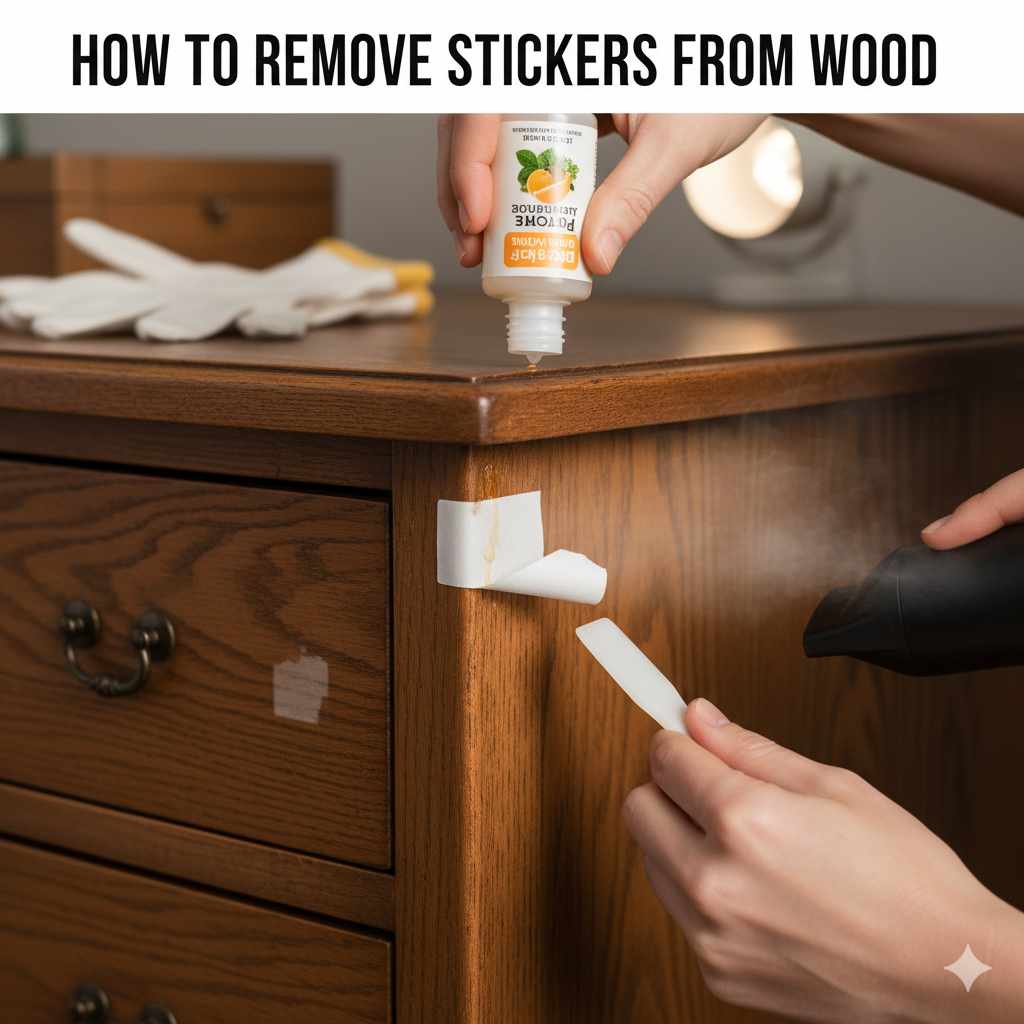
To effortlessly remove stickers from wood, gently heat the sticker with a hairdryer, then slowly peel it away. For stubborn residue, use a mild solvent like rubbing alcohol or mineral oil, testing in an inconspicuous spot first. Always finish by cleaning the area.
Hey there, fellow home improvers! Md Meraj here, your go-to guide for making those DIY projects feel less daunting and more doable. Have you ever bought a beautiful piece of furniture, only to be met with a stubborn sticker that just won’t budge? Or maybe you’ve tried to peel one off, and it’s left behind a sticky, unsightly mess? It’s a common frustration, but don’t worry! Removing stickers from wood doesn’t have to be a battle. With a few simple techniques and everyday household items, you can restore your wood surfaces to their former glory, leaving them clean and smooth. Let’s get those stickers off without a fuss, so you can enjoy your wooden treasures!
Why Stickers Stick (And How to Unstick Them)
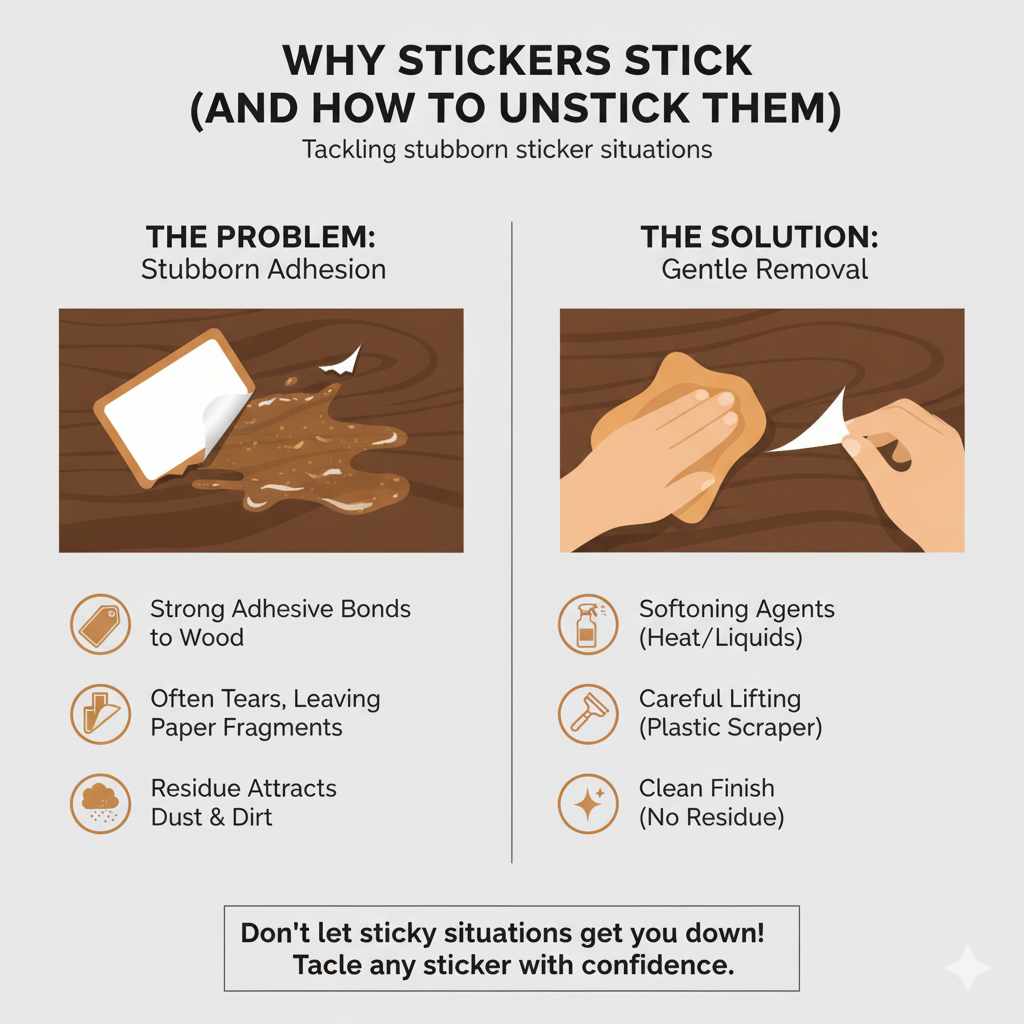
Stickers are designed to adhere, and sometimes, they adhere a little too well to our beloved wooden items. Whether it’s a price tag on a new piece of furniture, a label on a storage box, or a decorative decal, removing them cleanly can be a real puzzle. The adhesive used in stickers can bond strongly to wood, and when you try to peel them off too quickly or aggressively, they often tear, leaving behind frustrating paper fragments and a sticky residue. This residue can attract dust and dirt, making the area look messy and unappealing. It’s a common problem that can make a new purchase look old or a favorite piece of furniture seem neglected. But don’t let those sticky situations get you down! With the right approach, you can tackle any sticker situation with confidence.
Getting Ready: What You’ll Need
Before we dive into the removal process, let’s gather our supplies. Having everything on hand makes the job go smoothly and prevents you from having to stop midway. The good news is, you probably already have most of these items in your home!
Essential Tools for Sticker Removal
- Hairdryer: This is your best friend for loosening stubborn adhesives.
- Soft Cloths or Microfiber Towels: For wiping and buffing. Microfiber is excellent as it’s gentle and doesn’t leave lint.
- Plastic Scraper, Old Credit Card, or Fingernail: To gently lift the edges of the sticker. Avoid metal scrapers that can scratch wood.
- Cotton Swabs (Q-tips): Perfect for applying solvents precisely to residue without spreading them too much.
Helpful Cleaning Solutions
- Rubbing Alcohol (Isopropyl Alcohol): A common and effective solvent for breaking down adhesives.
- Mineral Oil, Vegetable Oil, or Olive Oil: These household oils are great for dissolving sticky residue and are generally safe for most wood finishes.
- Mild Dish Soap and Water: For a final clean-up after residue removal.
- Optional: Goo Gone or Similar Adhesive Remover: If you have a particularly tough sticker, a commercial remover can be very effective. Always follow product instructions carefully.
Important Note: Always test any cleaning solution on an inconspicuous area of your wood furniture first. This is crucial to ensure it doesn’t damage the finish, stain, or paint. A small spot on the underside of a table or the back of a drawer is usually perfect for this.
Effortless Sticker Removal: Step-by-Step Guides
Now, let’s get to the fun part – making those stickers disappear! We’ll start with the gentlest methods and move to slightly stronger ones if needed. Remember, patience is key!
Method 1: The Gentle Heat Technique (Best for Most Stickers)
This is often the easiest and most effective way to remove stickers without damaging the wood or its finish.
- Prepare the Area: Make sure the wood surface is clean and dry.
- Apply Heat: Take your hairdryer and set it to a low or medium heat setting. Hold it about 4-6 inches away from the sticker.
- Warm the Sticker: Move the hairdryer slowly and consistently over the sticker for about 30-60 seconds. The goal is to warm the adhesive, not to cook the wood! You should feel the sticker becoming slightly pliable.
- Test an Edge: Try to gently lift a corner of the sticker with your fingernail or a plastic scraper. If it lifts easily, proceed to the next step. If it’s still stuck, apply a little more heat.
- Peel Slowly: Once an edge is lifted, slowly and carefully peel the sticker away from the wood. Try to peel at a low angle, pulling the sticker back on itself rather than straight up. Continue applying gentle heat as you peel if you encounter resistance.
- Remove Residue (if any): If a small amount of residue remains, proceed to Method 2.
Method 2: Oil Power for Residue Removal
Sometimes, even after the sticker is off, a sticky residue is left behind. Oil is a fantastic, gentle way to tackle this.
- Choose Your Oil: Select from mineral oil, vegetable oil, olive oil, or even coconut oil.
- Apply the Oil: Dip a cotton swab or a corner of your soft cloth into the oil. Gently dab it onto the sticky residue. You don’t need to saturate the area; just enough to cover the stickiness.
- Let it Sit: Allow the oil to sit on the residue for 5-10 minutes. This gives it time to break down the adhesive.
- Gently Rub: Use a clean, soft cloth to gently rub the residue in a circular motion. The stickiness should start to ball up and lift away.
- Wipe Clean: Once most of the residue is gone, wipe the area with a clean, dry cloth.
- Final Clean: For a thorough clean, you can slightly dampen a cloth with a mixture of mild dish soap and water, wipe the area, and then dry it immediately with another clean, dry cloth.
Method 3: Rubbing Alcohol for Tougher Residue
If the oil method doesn’t quite do the trick, rubbing alcohol is a slightly stronger, yet still relatively safe, option for wood.
- Test First! Seriously, this is important. Dab a tiny bit of rubbing alcohol onto a cotton swab and gently rub a hidden spot on your wood. Wait a minute to ensure it doesn’t dull or discolor the finish.
- Apply to Residue: If the test spot is fine, dampen a cotton swab or the corner of a soft cloth with rubbing alcohol.
- Work the Residue: Gently rub the sticky residue. You’ll likely see it start to dissolve and lift.
- Wipe Away: Use a clean, dry cloth to wipe away the dissolved adhesive. You may need to repeat the application a couple of times for stubborn spots.
- Clean and Dry: Once the residue is gone, wipe the area with a slightly damp cloth (water only) and then dry it thoroughly.
Method 4: Commercial Removers (Use with Caution)
For those really persistent stickers and residues, a commercial product like Goo Gone or a similar citrus-based adhesive remover can be a lifesaver. However, these should be your last resort, and used with extra care.
- Read Instructions: Always, always read and follow the manufacturer’s instructions precisely.
- Test in a Hidden Area: This is non-negotiable. Commercial removers can be strong and may damage certain finishes or paints. Test on an inconspicuous spot first.
- Apply Sparingly: Apply the product to a cloth or cotton swab, not directly to the wood surface.
- Let it Work: Allow the product to sit for the time recommended by the manufacturer.
- Gently Scrape/Wipe: Use a plastic scraper or cloth to gently remove the sticker or residue.
- Clean Thoroughly: Immediately after removing the sticker and residue, clean the area thoroughly with a mild soap and water solution and dry it completely. This is important to remove any remaining chemical product.
Special Considerations for Different Wood Types and Finishes
Not all wood is created equal, and the finish on your wood can significantly impact how you approach sticker removal. Here’s a quick guide to keep in mind:
| Wood Type/Finish | What to Watch Out For | Recommended Methods |
|---|---|---|
| Unfinished Wood | Highly absorbent. Solvents can easily penetrate and stain. Moisture can cause swelling. | Gentle heat is best. For residue, try natural oils applied sparingly with a swab. Wipe clean immediately. |
| Varnished or Lacquered Wood | Finishes can be sensitive to alcohol and strong solvents. Heat can sometimes soften the finish itself. | Gentle heat is ideal. For residue, use oils or very diluted rubbing alcohol. Always test. |
| Painted Wood | Paint can be lifted or dissolved by many solvents. Heat can sometimes soften or bubble paint. | Gentle heat on low setting is usually safest. For residue, try natural oils very carefully. Avoid alcohol unless tested and proven safe for the paint type. EPA guidelines suggest caution with lead paint. |
| Waxed Wood | Wax can be dissolved by oils and some solvents. | Gentle heat. Oils will likely remove residue but may also remove some wax. You might need to re-wax the area. Avoid strong solvents. |
| Oiled Wood | Similar to unfinished wood, it can absorb liquids. | Gentle heat. Natural oils are usually safe but may alter the oil finish slightly. Clean and re-oil if necessary. |
| Laminate/Veneer | The thin top layer can be easily damaged by scraping or harsh chemicals. | Gentle heat is key. Use oils very sparingly. Avoid excessive moisture and harsh scrubbing. |
Preventing Damage During Removal
Here are some golden rules to follow to keep your wood looking its best:
- Patience is Paramount: Rushing is the quickest way to damage your wood.
- Start Gentle: Always begin with the least aggressive method (heat).
- Test, Test, Test: Before applying any liquid or solvent to the main area, test it on a hidden spot.
- Use the Right Tools: Opt for plastic scrapers or your fingernail over metal.
- Work Sparingly: Apply liquids to a cloth or swab, not directly to the wood.
- Wipe and Dry: Clean up any residue and dry the area immediately after treatment.
- Avoid Abrasives: Never use steel wool, abrasive pads, or harsh scrubbing brushes on wood.
Tips for Specific Sticker Types
Different stickers can present unique challenges:
Paper Stickers
These are the most common. They tend to tear easily, leaving paper bits behind. Heat works wonders for loosening the glue. If paper bits remain, soaking them with a little oil or water (for non-finished wood) can help them disintegrate enough to be wiped away.
Vinyl or Plastic Stickers
These often peel off cleanly in one piece, but the adhesive can be very strong. Heat is usually the best first step. If they tear, the adhesive might be more prone to stretching and smearing, so work gently and methodically.
Foil Stickers
These can be tricky as they don’t always respond as well to heat. The adhesive underneath can still be softened, but the foil itself might be more rigid. Peel slowly and be prepared for potential tearing.
Sticker Residue Only
If the sticker itself is gone but the sticky goo remains, focus on Methods 2 and 3 (Oils and Rubbing Alcohol). These are specifically designed to break down the adhesive. Sometimes, a bit of rubbing with a clean cloth after applying the solvent is all it takes.
Old and Dried-Out Stickers
These can be the most stubborn. The adhesive has likely hardened. You might need to apply heat for a bit longer, and you may have more success with a commercial adhesive remover after testing it thoroughly. Be prepared for these to be more challenging.
When to Call a Professional
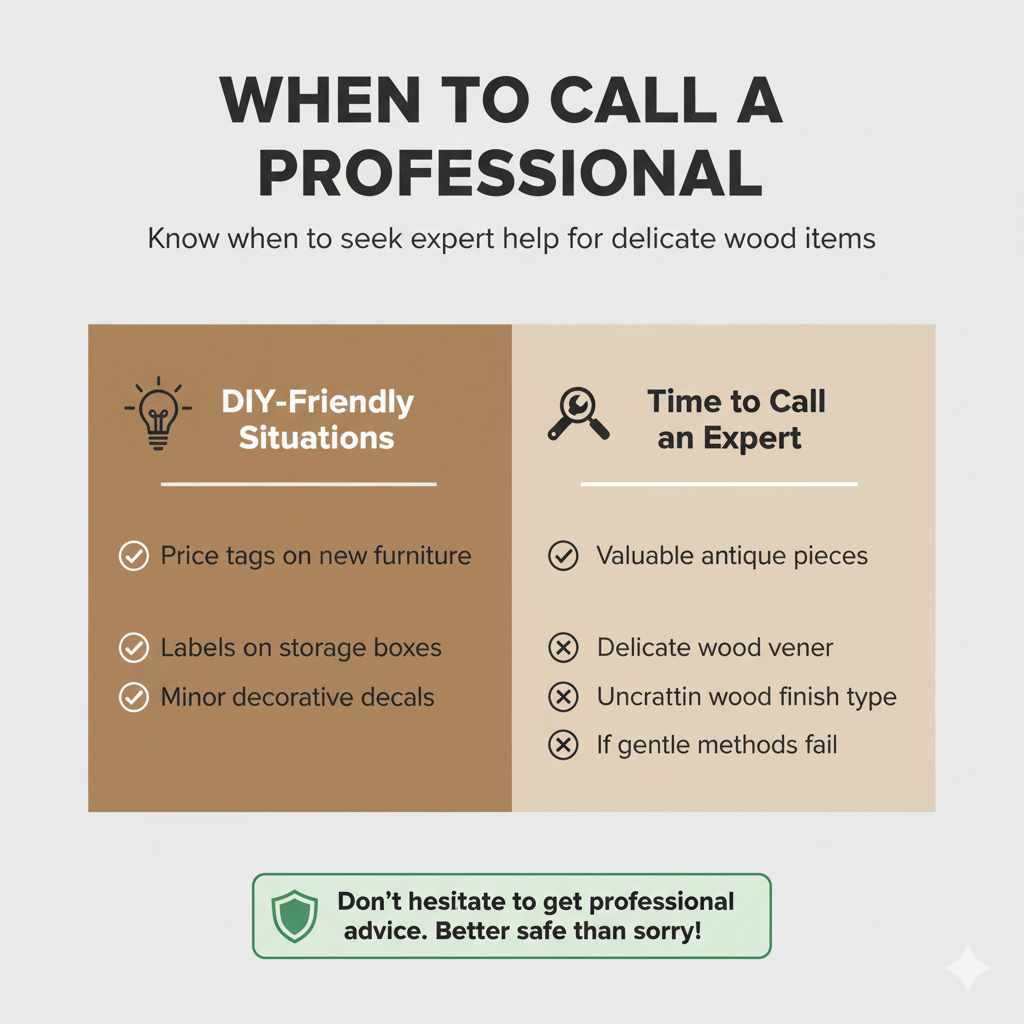
While most sticker removal tasks are DIY-friendly, there are times when it’s best to seek expert help. If you’re dealing with a valuable antique piece, a very delicate veneer, or a finish you’re unsure about, it might be worth consulting a furniture restorer or an antique specialist. They have specialized knowledge and tools to handle such items without causing irreparable damage. If you’ve tried the gentle methods and are still struggling, or if you’re worried about making a mistake, don’t hesitate to get professional advice. It’s always better to be safe than sorry when it comes to precious wooden items.
Frequently Asked Questions
- Q1: Can I remove stickers from painted wood without damaging the paint?
- Yes, you absolutely can! The key is to be gentle and use methods that won’t be too harsh on the paint. Start with the least invasive methods, like gentle heat from a hairdryer. If you need to use a solvent, opt for milder options like rubbing alcohol and always test in a hidden area first to ensure it doesn’t lift the paint.
- Q2: What is the best way to remove sticky residue left behind by a sticker?
- Sticky residue is often the trickiest part! For most wood surfaces, a mild solvent like mineral oil, vegetable oil, or even peanut butter can work wonders. Apply it to the residue, let it sit for a few minutes to break down the stickiness, and then gently wipe it away with a soft cloth. Rubbing alcohol is also effective for tougher residue.
- Q3: Are there any natural or DIY methods for sticker removal?
- Definitely! Many natural items around your home can help. Oils (like olive oil, vegetable oil, or coconut oil) are great for loosening the adhesive. Vinegar can also be effective. Even something like mayonnaise or peanut butter can work due to their oil content. Just remember to test these on a small, hidden area first.
- Q4: Should I use heat to remove stickers from wood? Is it safe?
- Using heat, typically from a hairdryer on a low to medium setting, is one of the safest and most effective methods for softening the adhesive. Hold the hairdryer a few inches away from the sticker and move it around to avoid overheating one spot, which could potentially damage certain wood finishes. This makes peeling much easier.
- Q5: What should I do if the sticker is on a delicate or antique wood surface?
- For delicate or antique wood, extreme caution is advised. Start with the gentlest method: a hairdryer on its lowest setting, held at a distance. If that doesn’t work, try a very mild, natural oil applied sparingly with a cotton swab only to the sticker’s edges. Avoid harsh chemicals or excessive moisture. If in doubt, consult a professional restorer.
- Q6: How can I prevent damaging the wood finish when removing stickers?
- The best way to prevent damage is to always start with the least aggressive method. Gentle heat is usually the first step. When using any liquid or solvent, always apply it to a cloth or cotton swab first, not directly to the wood, and work from the outside edges of the sticker inward. Test any product on an inconspicuous area of the wood first. Never use abrasive materials like steel wool or harsh scrapers.
- Q7: What tools do I need to remove stickers from wood?
- You likely have most of what you need already! Essential tools include a hairdryer, a soft cloth or microfiber towel, and a plastic scraper or old credit card. For residue, you might need rubbing alcohol, mineral oil, or vegetable oil. A cotton swab is also handy for precise application of solutions.
Bringing it All Together
Removing stickers from wood doesn’t have to be a source of stress. By understanding the properties of the adhesive and the type of wood and finish you’re working with, you can choose the right method to get the job done effectively and safely. Remember to always start with the gentlest approach, be patient, and test any cleaning solutions in an inconspicuous area first. Whether it’s a quick peel after a bit of hairdryer heat or a more involved process to tackle stubborn residue with oils or rubbing alcohol, you now have the knowledge and tools to restore your wood surfaces to their pristine condition. So go ahead, tackle those stickers with confidence, and enjoy the beautiful, clean wood you’ve worked hard to reveal!