
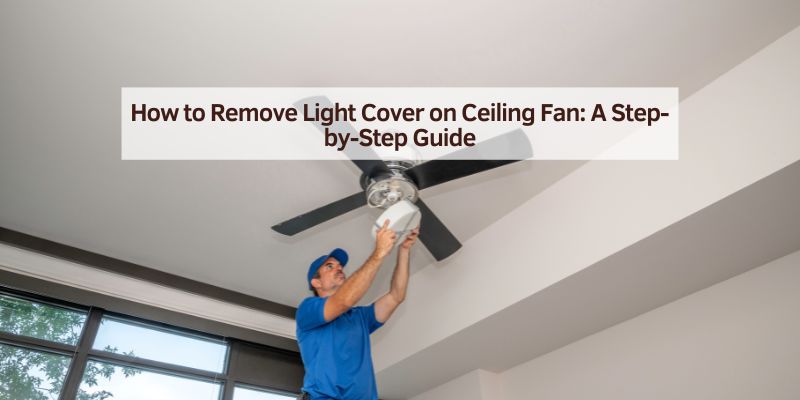
Hey there, friend! Have you ever stood under your ceiling fan, staring up at that dusty light cover, wondering how on earth to get it off? Maybe the bulb burned out, or you’re just itching to give it a good cleaning. I’ve been there, scratching my head and worrying I’d break something. Over the years, I’ve tackled plenty of ceiling fan light covers in my home and helped friends with theirs, so I’ve learned the tricks to make it easy.
Knowing how to remove a light cover on a ceiling fan is a handy skill that saves you time and money. In this guide, I’ll walk you through everything you need to know, step by step, like we’re working on it together. Let’s get that cover off safely and make your fan shine again!
Why You Might Need to Remove a Ceiling Fan Light Cover
Ceiling fan light covers aren’t just there to look pretty—they protect the bulbs, diffuse light, and keep dust at bay. But there comes a time when you need to take them off. I’ve done this for all sorts of reasons, and I bet you’re facing one of these too.
Maybe your bulb burned out, and you need to replace it. Or the cover’s gotten grimy from years of dust and bugs, and it’s dimming the light. Sometimes, you just want to swap the cover for a new style to freshen up your room. I once helped my neighbor remove a cover because a bulb was flickering, and we found a loose connection inside. Whatever your reason, removing the cover is the first step to fixing or upgrading your fan’s light.
Types of Ceiling Fan Light Covers
Before you start twisting or tugging, you need to know what kind of light cover you’re dealing with. Not all covers are the same, and using the wrong method can crack the glass or damage the fan. I’ve seen a bunch of different types in homes, and here’s a table to break them down.
| Type | Description | How It’s Attached | Common Materials |
|---|---|---|---|
| Screw-On | Glass cover twists into place | Threads like a jar lid | Glass, plastic |
| Clip-On | Held by spring clips or metal tabs | Clips snap into the fan’s light kit | Glass, acrylic |
| Nut or Finial | Secured by a decorative nut or finial at the bottom | Unscrew the nut to release | Glass, frosted glass |
| Flush-Mount | Sits flat against the fan, held by screws or clips | Screws or clips around the edge | Glass, metal, plastic |
Screw-On Light Covers
These are super common. They look like a glass bowl that screws into the fan’s light kit, kind of like a jar lid. I have one in my living room, and it’s easy to spot because you can see the threaded edge. You just twist it counterclockwise to remove it. The trick is to hold it firmly so it doesn’t slip, especially if it’s stuck from years of being in place.
Clip-On Light Covers
Clip-on covers are held by small metal clips or tabs that snap into the fan. I’ve seen these in older fans, and they can be tricky if you don’t know where the clips are. You usually squeeze or pull the cover gently to release the tension. I once spent 10 minutes tugging on one before I realized I needed to push it up first!
Nut or Finial Light Covers
These covers are secured by a decorative nut or finial at the bottom of the glass. My bedroom fan has this type, and it’s pretty straightforward. You unscrew the nut, and the cover slides off. Just be careful to hold the cover so it doesn’t fall when the nut comes loose.
Flush-Mount Light Covers
Flush-mount covers sit flat against the fan and are often held by screws or clips around the edge. I’ve seen these in modern fans with sleek designs. You might need a screwdriver to loosen the screws, or you can gently pry the cover if it’s clipped. These can be a bit stubborn, so patience is key.
Tools You’ll Need
Good news—you don’t need a fancy toolbox for this job. I’ve removed light covers with just a few basic items. Here’s what I keep handy:
- Step Ladder: To reach the fan safely. I use a sturdy one that doesn’t wobble.
- Screwdriver: A flathead or Phillips, depending on your fan’s screws. I always check the screws first to grab the right one.
- Gloves: Optional, but they protect your hands and keep oils off the glass.
- Soft Cloth: For cleaning the cover once it’s off or wiping your hands.
- Replacement Bulb: If you’re changing a bulb, have the right one ready. Check your fan’s manual for the wattage and type.
I also keep a small bowl or bag nearby to hold screws or nuts so they don’t roll away. Trust me, I’ve learned the hard way after losing a tiny screw on my carpet!
Safety Tips Before You Start
Before you climb that ladder, let’s talk safety. I’m all about getting the job done, but not at the risk of a fall or a shock. Here’s what I always do to stay safe:
- Turn Off the Power: Flip the switch off, and if you’re extra cautious (like me), turn off the circuit breaker for the fan. I once forgot this and got a mild zap—not fun.
- Let Bulbs Cool: If the light was on, wait 10-15 minutes for the bulbs to cool. Hot bulbs can burn your fingers or crack the cover.
- Use a Stable Ladder: Make sure it’s on flat ground and locked in place. I always have someone hold the ladder if I’m reaching high.
- Work Slowly: Don’t rush or force anything. If the cover’s stuck, take a moment to figure out why.
Safety’s not just a buzzword—it’s what keeps you enjoying your fan instead of nursing a bruise.
How to Remove a Ceiling Fan Light Cover
Now, let’s get to the main event—removing that light cover. I’ll walk you through the steps for each type of cover. It’s like we’re standing under your fan together, figuring it out.
For Screw-On Covers
These are the easiest in my book. Here’s what I do:
- Climb your ladder so you’re at eye level with the cover.
- Hold the glass with both hands. If it’s dusty, wear gloves or use a cloth for grip.
- Twist the cover counterclockwise, like you’re opening a jar. It might be tight, so apply steady pressure.
- Once it’s loose, keep twisting until it comes off. Set it down carefully on a soft surface.
If it’s stuck, I wiggle it gently while twisting. Sometimes, dust or grime makes it stiff, so a damp cloth can help clean the threads.
For Clip-On Covers
Clip-on covers need a bit of finesse. Here’s my approach:
- Look for the clips or tabs around the edge of the cover. They’re usually metal and springy.
- Gently push the cover up toward the fan to release the tension. You might hear a click.
- Tilt the cover to one side and pull it down past the clips. Go slow to avoid breaking the glass.
- If it won’t budge, check for hidden screws holding the clips in place. I missed one once and felt so silly!
Some fans have three or four clips, so you might need to release them one at a time.
For Nut or Finial Covers
These are pretty straightforward. Here’s how I handle them:
- Hold the glass cover with one hand to support it.
- With your other hand, unscrew the nut or finial at the bottom. Turn it counterclockwise.
- Once the nut’s off, lower the cover gently. It might slide right off or need a slight wiggle.
- Place the nut in a safe spot—you’ll need it to put the cover back on.
I always check the nut for wear. If it’s stripped, I replace it with a new one from the hardware store.
For Flush-Mount Covers
These can be a bit trickier. Here’s my method:
- Look for screws or clips around the edge of the cover. Screws might be hidden under decorative caps.
- If there are screws, use your screwdriver to loosen them. Don’t remove them completely—just enough to free the cover.
- If it’s clipped, gently pry the cover with a flathead screwdriver or your fingers. Start at one edge and work your way around.
- Lower the cover slowly. Some flush-mounts have wires attached, so don’t yank it.
If you’re unsure, check your fan’s manual. I once pried too hard and scratched the cover—lesson learned.
What to Do After Removing the Cover
Once the cover’s off, you’re halfway there! Here’s what I do next, depending on why I removed it:
- Replace the Bulb: Check the old bulb’s wattage and type (like LED or incandescent). Screw in the new bulb, but don’t overtighten. I always test the light before putting the cover back.
- Clean the Cover: Dust and bugs love light covers. I wash mine with warm soapy water, rinse well, and dry with a soft cloth. It’s amazing how bright the room gets after a good cleaning!
- Inspect the Light Kit: Look for loose wires or damaged parts. I found a frayed wire in my fan once and had an electrician fix it before it became a hazard.
- Upgrade the Cover: If you’re swapping for a new cover, make sure it’s compatible with your fan. I upgraded to a frosted glass cover in my dining room, and it looks so elegant now.
Take your time to do it right. A clean, working light kit makes your fan look and perform better.
Common Problems and How to Fix Them
Sometimes, things don’t go as planned. I’ve run into a few hiccups over the years, and here’s how I deal with them:
- Stuck Cover: If a screw-on cover won’t budge, I spray a little WD-40 on the threads and let it sit for a minute. For clip-on covers, I double-check for hidden screws.
- Cracked Cover: If you accidentally crack the glass, replace it right away. Most hardware stores or online retailers sell replacements. I measure the old cover to get the right size.
- Loose Clips: If the clips won’t hold the cover securely, they might be bent. I gently bend them back with pliers or replace them if they’re broken.
- Wrong Bulb: If the new bulb doesn’t work, check the wattage and type. I once bought a 100-watt bulb for a 60-watt fan and had to return it.
Patience is your friend. If you’re stuck, step back and reread your fan’s manual—it’s like a cheat sheet.
How to Maintain Your Ceiling Fan Light
Keeping your fan’s light in top shape is easy with a little care. Here are my go-to tips:
- Clean Regularly: Dust the cover every few months with a damp cloth. I do this when I clean my fan blades to save time.
- Check Bulbs: Test your lights every season to catch burned-out bulbs early. I keep spare bulbs in my closet for quick swaps.
- Tighten Fittings: Loose screws or nuts can make the cover rattle. I check them yearly with a screwdriver.
- Use the Right Bulbs: Stick to the recommended wattage to avoid overheating. LED bulbs are my favorite because they’re cool and last forever.
A well-maintained light kit keeps your room bright and your fan looking great.
When to Call a Professional
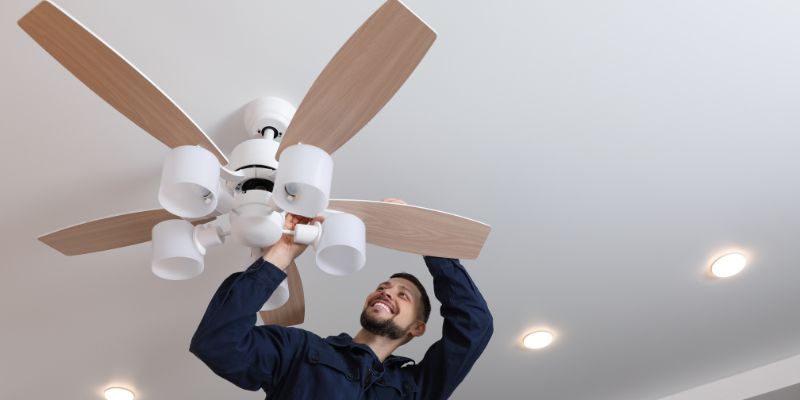
Most light cover removals are DIY-friendly, but sometimes you need a pro. I’ve called an electrician a couple of times when things got tricky. Here’s when I recommend getting help:
- Electrical Issues: If you see sparks, frayed wires, or the light won’t turn on, don’t mess with it. Electricians charge $50-$150 per hour, but it’s worth it for safety.
- Complex Fans: Some high-end fans have unique light kits that need special tools. I leave those to the pros to avoid damage.
- High Ceilings: If your fan’s on a vaulted ceiling, a pro with the right ladder is safer. I once watched a friend wobble on a tall ladder and vowed never to try it myself.
Find a licensed electrician through friends’ recommendations or sites like Angie’s List. It’s peace of mind you can’t beat.
Conclusion
Removing a ceiling fan light cover might seem daunting at first, but it’s a simple task once you know the ropes. After years of twisting, clipping, and unscrewing covers in my home, I’ve learned it’s all about patience, the right tools, and a little know-how. Whether you’re swapping a bulb, cleaning dust, or upgrading your fan’s look, you now have the steps to do it safely and easily. So, grab that ladder, turn off the power, and get to work—your fan’s about to shine brighter than ever! Here’s to a well-lit home and the satisfaction of tackling a DIY job like a pro.
FAQs
How do I know what type of light cover my ceiling fan has?
Look at how the cover’s attached. If it twists off, it’s screw-on. If it’s held by metal tabs, it’s clip-on. A nut at the bottom means it’s a finial type. Check your fan’s manual for details.
Can I remove a ceiling fan light cover without a ladder?
If your ceiling’s low and you can reach the fan safely, maybe. But I always use a sturdy ladder to avoid stretching or falling. Safety first!
What if my light cover is stuck?
For screw-on covers, try a little WD-40 on the threads. For clip-on, check for hidden screws. Go slow and don’t force it to avoid breaking the glass.
How do I clean a ceiling fan light cover?
Wash it with warm, soapy water, rinse well, and dry with a soft cloth. I do this every few months to keep the light bright and dust-free.
Is it safe to remove a light cover with the power on?
No way! Always turn off the fan’s switch and, if possible, the circuit breaker. I also wait for bulbs to cool to avoid burns or shocks.