
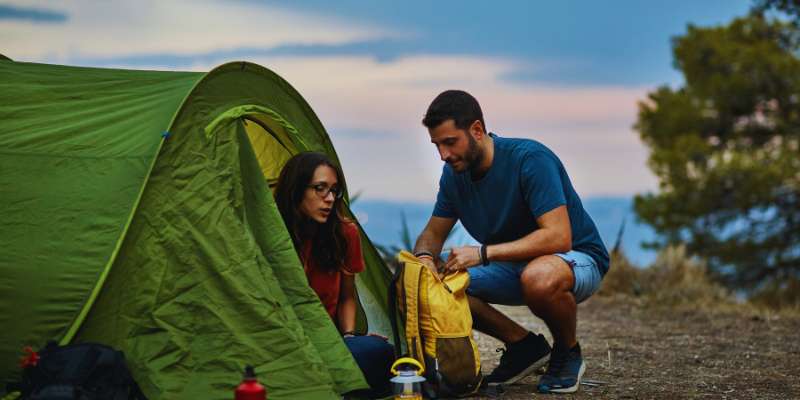
Keeping a tent dry can be tricky in bad weather. A tarp offers extra protection.
Camping adventures often face unpredictable weather. Rain and wind can quickly dampen spirits and gear. But there’s a simple solution: a tarp. Adding a tarp over your tent shields against rain and harsh sunlight. It creates an extra layer of defense, ensuring a dry and comfortable camping experience.
Knowing how to correctly set up a tarp is vital. It involves positioning, securing, and choosing the right size and material. This skill enhances your camping trips, making them more enjoyable and stress-free. Whether you’re a seasoned camper or a beginner, learning this technique is essential. Let’s explore how to effectively put a tarp over a tent.
Choosing The Right Tarp
Tarps come in different materials. Polyethylene is popular. It is waterproof and durable. Canvas tarps are strong. They breathe but are not waterproof. Vinyl tarps resist tears. They are heavy and last long. Choose based on weather. Rainy areas need waterproof tarps. Sunny places need UV-resistant tarps. Think about your camping needs.
Tarps come in many sizes. Bigger tarps cover more area. A tarp should be a bit larger than your tent. It keeps water out. Measure your tent first. Then pick the right tarp size. The extra coverage helps keep you dry. Check tarp dimensions before buying. Make sure it covers all sides. This stops rain from entering your tent.
Preparing Your Tent Site
Find a flat space for your tent. Remove rocks and sticks from the ground. This helps keep the tent safe. Check for any holes or bumps. Fill them if needed. Ensure the area is dry. Wet spots can cause problems later. Look for overhead branches. They can fall in bad weather. Make sure the site is clear and safe. Keep away from water sources. This prevents flooding. Avoid hillsides where water may run down. Choose a spot that is sheltered from wind.
Check the weather forecast before setting up. Rain can make the ground muddy. Wind can blow the tent away. Sun can make it too hot. Pack extra stakes for windy days. Bring a rain cover for wet weather. Prepare for cold nights with warm clothes. Watch the sky for dark clouds. Adjust plans if storms are coming. Listen for weather alerts. Stay safe and ready.
Setting Up The Tent
Covering a tent with a tarp enhances protection from rain and debris. Begin by spreading the tarp flat on the ground. Secure it over the tent using ropes and stakes, ensuring tightness for stability.
Choosing The Tent Position
Pick a flat spot for your tent. Avoid places with rocks or sticks. These can hurt your tent. Check the ground is not wet. Stay away from trees to avoid falling branches. Make sure the area is safe. This ensures a peaceful sleep. A good spot makes camping fun.
Securing The Tent Stakes
Place the stakes into the ground. Use a hammer if needed. Ensure they are deep and firm. This stops the tent from moving. Loose stakes can cause trouble in wind. Check each stake is tight. A well-secured tent stays up strong. Feel safe inside, even in bad weather.

Credit: www.youtube.com
Positioning The Tarp
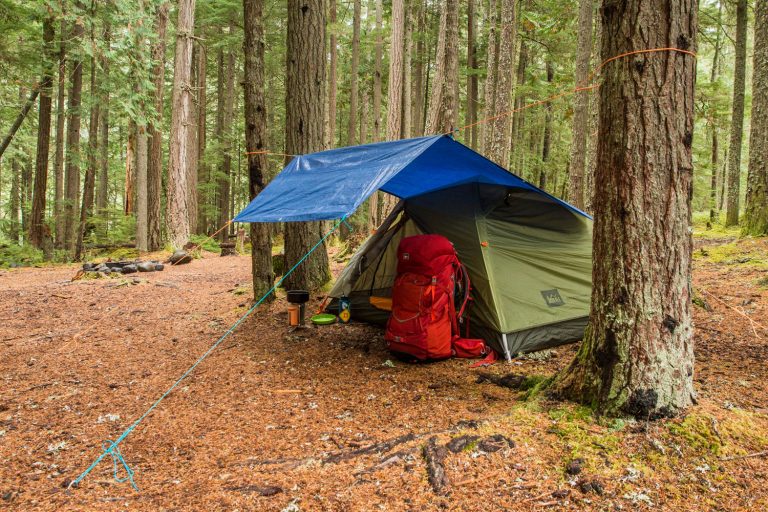
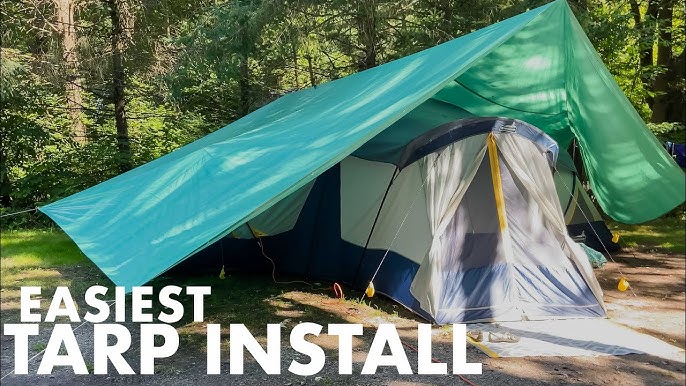
First, find tall trees near your tent. Use these trees to support the tarp. Tie strong ropes from tree to tree. Make sure the ropes are tight and secure. Place the tarp over the ropes. This makes a roof over your tent. The tarp should hang evenly on each side. Secure the corners with stakes or rocks. This keeps the tarp from flying away in the wind.
Lay the tarp flat on the ground first. Make sure it covers all sides of the tent. This protects the tent from the wet ground. Use stakes to hold down the tarp corners. Avoid sharp objects that might tear it. Keep the tarp smooth to prevent water puddles. A smooth tarp keeps the area dry and clean.
Securing The Tarp
Begin by gathering strong ropes and cords. Tie them to the tarp’s corners. Make sure the knots are tight. This keeps the tarp from moving. Attach the other ends to nearby trees or stakes. Use more cords for better support.
The ropes should not be too loose or tight. A balanced tension helps. Adjust the cords to keep the tarp in place. Prevent sagging by checking each corner. This setup will shield your tent from rain and sun.
Aim for the right angle on the tarp. This helps rain slide off. Pull the tarp at a slight angle. A 30 to 45-degree angle works best. Ensure the tarp is not flat. The tent stays dry this way.
Adjust tension by tightening or loosening the ropes. This keeps the tarp firm. Recheck the setup often. This ensures the tarp stays in position. A good angle and tension protect your tent well.
Checking For Leaks
Before you start, make sure the tarp is completely dry. Wet tarps can be slippery and dangerous. Hold the tarp up to the light. Look for any tiny holes or tears. Patch any leaks before using the tarp. Use a tarp repair kit or duct tape. This will keep your tent dry and safe.
Lay the tarp flat on the ground. Check the edges for fraying or damage. Frayed edges can lead to more tears. Make sure all corners have strong grommets. Grommets help tie the tarp down securely. If any grommets are missing, replace them. This ensures a tight fit over your tent.
Wind can lift the tarp if not secured well. Tie down the tarp with strong ropes. Use stakes to hold the ropes firm. Make sure the tarp is not too tight. A little slack helps during strong winds. This prevents tears and keeps your tent safe. Check the tarp regularly for any shifts.
Maintaining Tarp Stability
Keeping your tarp stable is very important. Make sure to check it often. Look for loose corners and tighten them. Use strong ropes to secure your tarp. Pull the ropes tight, so the tarp does not flap. Check the stakes in the ground. They should be firm and not loose. A stable tarp keeps your tent dry. It also protects you from the wind.
Weather changes can affect your tarp. Adjust it for rain or sun. In rain, angle it to let water run off. In sun, make it flat for shade. Windy days need extra care. Use more ropes and stakes to hold it down. Always check the weather forecast. Be ready to change your setup. This keeps you comfortable and safe.
Credit: www.rei.com
Additional Waterproofing Tips
Seam sealers help keep tents dry. They cover tiny holes in the tent.
Apply the sealer on all stitches. Let it dry for a few hours.
This makes the tent strong against water. It’s a simple way to stay dry in rain.
Waterproof sprays create a layer on the tent. Spray it evenly on the fabric.
Use it on a dry and clean tent. This spray protects against rain.
It is quick to apply and effective. Make sure to cover all areas well.
Credit: www.youtube.com
Frequently Asked Questions
Can You Put A Tarp On Top Of A Tent?
Yes, you can put a tarp on top of a tent. It provides extra protection against rain and wind. Ensure it’s securely fastened to prevent movement or noise. Use a tarp slightly larger than the tent for complete coverage. Properly position the tarp for optimal weather protection.
How Do You Set Up A Tarp Above A Tent?
Secure the tarp corners using ropes tied to nearby trees or poles. Ensure it’s slightly tilted for rain runoff. Use adjustable knots to keep it taut. Position the tarp higher than the tent for effective coverage. Check stability and adjust as needed to prevent sagging.
How To Put A Tarp Over A Tent Without Trees?
Secure the tarp to the ground using stakes or poles. Ensure it covers the tent completely. Use guy lines to tighten and stabilize the tarp. Adjust for optimal coverage and wind resistance. Choose a tarp size slightly larger than the tent for better protection.
Should You Put A Tarp Over Or Under A Tent?
Place a tarp under the tent to protect against moisture and sharp objects. Ensure it doesn’t extend beyond the tent edges to prevent water pooling. A tarp over the tent can offer extra rain protection but may cause condensation. Prioritize proper ventilation for comfort.
Conclusion
Covering a tent with a tarp isn’t complicated. It adds extra protection. Keeps you dry during rain. Helps against strong winds too. Choosing the right tarp matters. Size and material are important. Secure it well using ropes and stakes. Practice makes it easier.
Soon, you’ll do it quickly. Enjoying a dry and comfortable camping trip is possible. Just follow these steps. Your camping experience will improve. Stay safe and have fun outdoors. Happy camping!