
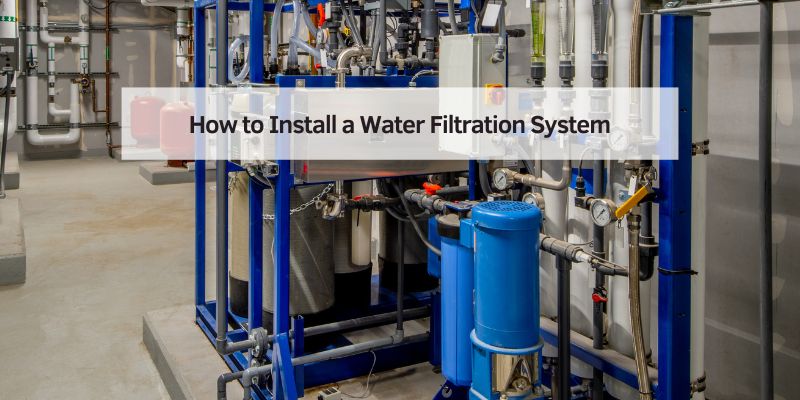
I remember my first time installing a water filtration system in my kitchen. My kids kept asking for “yucky tap water” fixes, and I wanted clean, safe water without spending a fortune. That’s when I learned how to install a water filtration system—and it was easier than I thought! This article will guide you step-by-step to set up your own system, whether you’re a beginner or a DIY pro. You’ll find simple tips, tools, and tricks to get clean water at home. Let’s dive in and make your water taste great!
What Is a Water Filtration System?
A water filtration system cleans your tap water. It removes dirt, chemicals, and bad tastes to make water safe and yummy.
Think of it like a superhero for your sink! It traps yucky stuff, like sand or chlorine, so you drink pure water. These systems come in many types, like under-sink filters or whole-house units. They’re great for families, campers, or anyone who wants better water. I installed one for my home, and my kids now love drinking from the tap!
Why Install a Water Filtration System?
Clean water keeps you healthy. Tap water can have tiny bits of dirt or chemicals that aren’t great for you.
A filter makes water taste better and protects your body. It’s also cheaper than buying bottled water. Plus, it helps the planet by cutting down on plastic waste. When I switched to a filter, I saved money and felt good about helping the environment. You can too!
Types of Water Filtration Systems
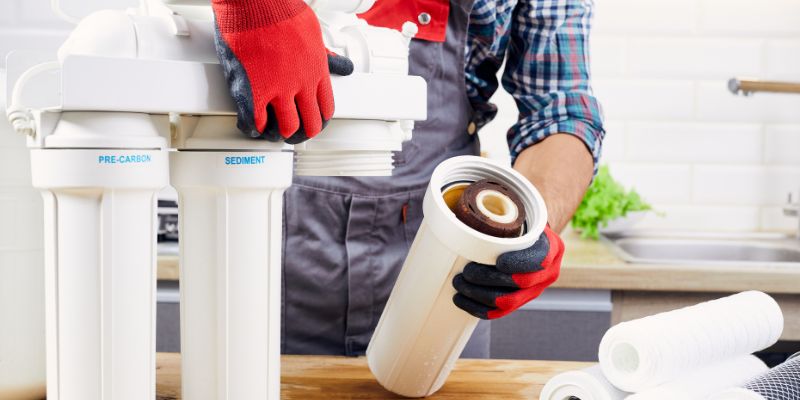
There are many water filters to choose from. Here’s a quick look at the most common ones:
- Under-Sink Filters: Fit under your kitchen sink. Great for drinking and cooking water.
- Whole-House Filters: Clean all water in your home. Perfect for big families.
- Pitcher Filters: Simple jugs you fill with water. Easy but slow for big needs.
- Faucet Filters: Attach to your faucet. Quick to install but less powerful.
Each type has its own perks. I chose an under-sink filter because it’s easy to install and works great for my family’s needs.
Comparing Filter Types
Here’s a table to help you pick the right system:
| Filter Type | Best For | Cost | Ease of Install |
|---|---|---|---|
| Under-Sink | Kitchen use | $50–$200 | Medium |
| Whole-House | All home water | $500–$2000 | Hard |
| Pitcher | Small homes, renters | $20–$50 | Very Easy |
| Faucet | Quick setup | $30–$100 | Easy |
Table 1: Comparing Water Filtration Systems for Home Use
This table shows costs and ease of setup. Under-sink systems are a great balance for most homes.
Tools and Materials You’ll Need
To install a water filtration system, grab these tools and materials:
- Screwdriver: To tighten brackets.
- Adjustable Wrench: For pipe fittings.
- Pipe Cutter or Hacksaw: To cut water lines (if needed).
- Teflon Tape: To seal pipe threads.
- Bucket: To catch water drips.
- Filter System Kit: Includes filter, tubing, and fittings.
I always keep a bucket handy to avoid a wet mess! Most kits come with everything you need, but check the manual. Brands like Brita or Aquasana are solid choices for beginners.
How to Install a Water Filtration System
Here’s a simple guide to install an under-sink water filtration system. Follow these steps, and you’ll have clean water in no time!
Step-by-Step Installation Guide
- Turn Off Water: Find your sink’s water valve and turn it off. This stops water flow during setup.
- Clear Space: Empty under your sink. It makes working easier.
- Mount the Filter: Use the screwdriver to attach the filter bracket to the cabinet wall.
- Connect the Fittings: Attach the filter’s inlet and outlet to your water line. Use Teflon tape on threads to prevent leaks.
- Install the Faucet: If your kit includes a new faucet, drill a hole in your sink (if needed) and secure it.
- Check Connections: Tighten all fittings with your wrench. Don’t overdo it—snug is enough!
- Turn On Water: Slowly turn the water back on. Check for leaks.
- Flush the System: Run water through the filter for 5 minutes to clear air and debris.
I messed up my first try by skipping the flush step—yuck, cloudy water! Always flush the system to start clean.
Visual Ideas for Clarity
- Diagram of Pipe Connections: A simple sketch showing how the filter connects to your water line.
- Filter Placement Guide: A drawing of where to mount the filter under your sink.
- Tool Layout: A picture of tools laid out to show what you need.
These visuals would make the steps even clearer, especially for beginners.
Benefits of a Water Filtration System
A water filter gives you clean, tasty water. It’s great for drinking, cooking, and even your pets!
Filters remove bad stuff like lead or chlorine, keeping you healthy. They also save money compared to bottled water. My family drinks more water now because it tastes so good. Plus, filters can make your coffee or tea taste better too!
Drawbacks to Consider
Filters aren’t perfect. They need regular upkeep, like changing cartridges every 6–12 months.
Some systems, like whole-house filters, cost a lot upfront. Also, installation can be tricky if you’re not handy. I learned to check my filter’s manual for maintenance tips to avoid surprises.
Common Mistakes to Avoid
- Skipping the Manual: Always read the instructions. Each system is different.
- Not Checking for Leaks: After setup, run water and look for drips.
- Forgetting Maintenance: Set a reminder to replace filters on time.
These mistakes can mess up your system. I forgot to check for leaks once and had a soggy cabinet!
Cost-Saving Tips
Here are ways to save money on your water filtration system:
- Shop Sales: Look for deals on brands like PUR or Culligan at stores like Home Depot.
- DIY Installation: Skip hiring a plumber to save $100–$200.
- Buy Refill Packs: Get filter cartridges in bulk for discounts.
I saved $50 by installing my system myself. It took an hour, and I felt like a pro!
Cost Comparison Table
| System Type | Initial Cost | Yearly Maintenance | Savings vs. Bottled Water |
|---|---|---|---|
| Under-Sink | $50–$200 | $20–$50 | $200–$500 |
| Whole-House | $500–$2000 | $100–$300 | $500–$1000 |
| Pitcher | $20–$50 | $10–$30 | $100–$200 |
Table 2: Cost Breakdown for Water Filtration Systems
This table shows how filters save money over time. Under-sink systems are budget-friendly for most homes.
Safety Tips for Installation
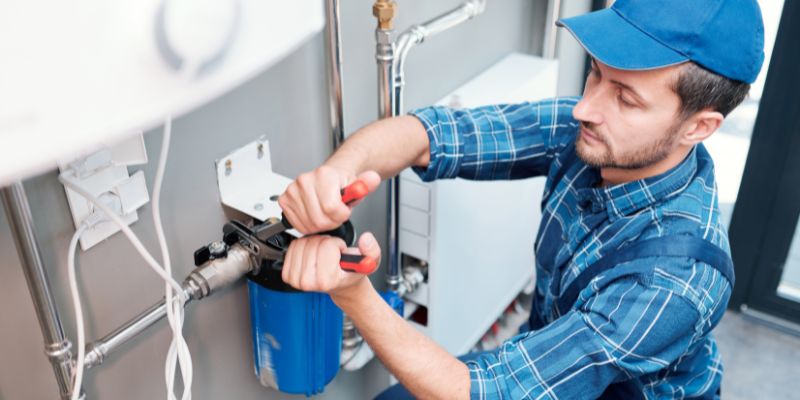
Safety is key when installing a filter. Always turn off the water before starting to avoid floods.
Use Teflon tape to seal connections and prevent leaks. If you’re cutting pipes, wear gloves to stay safe. I always double-check my tools to make sure they’re in good shape before starting.
My Personal Tips
From my experience, start with an under-sink filter if you’re new. They’re easy to install and work great.
Also, keep a small notebook to track when you change filters. It helps you stay on top of maintenance. I learned this after forgetting once and drinking funky-tasting water!
Other Options to Explore
Not ready for a big system? Try these alternatives:
- Pitcher Filters: Great for apartments or small spaces. Brita pitchers are super easy.
- Faucet Filters: Quick to set up but need frequent cartridge changes.
- Portable Filters: Perfect for camping or travel. I use a LifeStraw for hikes.
Each option has its place. I keep a pitcher filter as a backup for my under-sink system.
Filter Maintenance Tips
- Check Filters Regularly: Replace them every 6–12 months.
- Clean the System: Wipe down parts to keep them free of grime.
- Monitor Water Taste: If it tastes off, swap the filter sooner.
These tips keep your water clean and your system working well.
Conclusion
Installing a water filtration system is easier than you think! With simple tools and a bit of time, you can enjoy clean, tasty water at home. Whether you pick an under-sink filter or a pitcher, you’ll save money and help the planet. I loved setting up my system and seeing my kids drink more water. Try it yourself, and share your story in the comments! For more tips, check out trusted sites like the EPA’s water safety page or CDC’s healthy water guide. Get started today!
Frequently Asked Questions
How Long Does It Take to Install a Water Filter?
It takes about 1–2 hours for an under-sink filter. Whole-house systems may need 3–4 hours. Follow the manual, and go slow to avoid mistakes. My first install took 90 minutes because I double-checked everything.
Do I Need a Plumber to Install a Filter?
No, most under-sink or faucet filters are DIY-friendly. You need basic tools like a screwdriver and wrench. Whole-house systems might need a plumber if you’re not comfortable cutting pipes. I did mine without help and saved $150!
How Often Should I Replace My Filter?
Most filters need replacing every 6–12 months. Check your system’s manual for exact timing. I set a phone reminder to swap mine yearly. If water tastes weird, change it sooner to keep it clean.
Can I Install a Filter in an Apartment?
Yes! Pitcher or faucet filters are great for renters. They’re easy to install and remove. Under-sink filters work too, but check with your landlord first. I used a pitcher filter in my old apartment.
Are Water Filters Worth the Cost?
Absolutely! Filters save money compared to bottled water. An under-sink system costs $50–$200 but saves $200–$500 yearly. Plus, you get healthier water. My family loves the taste, and we use less plastic.
What If My Filter Leaks After Installation?
Check all connections and tighten them with a wrench. Make sure you used Teflon tape on threads. If it still leaks, turn off the water and recheck the manual. I had a small leak once—tightening fixed it fast.
Can I Use a Filter for Well Water?
Yes, but pick a system designed for well water, like a whole-house filter. Well water may have more dirt or bacteria, so check with a pro. I helped a friend install one for their well, and it worked great!