
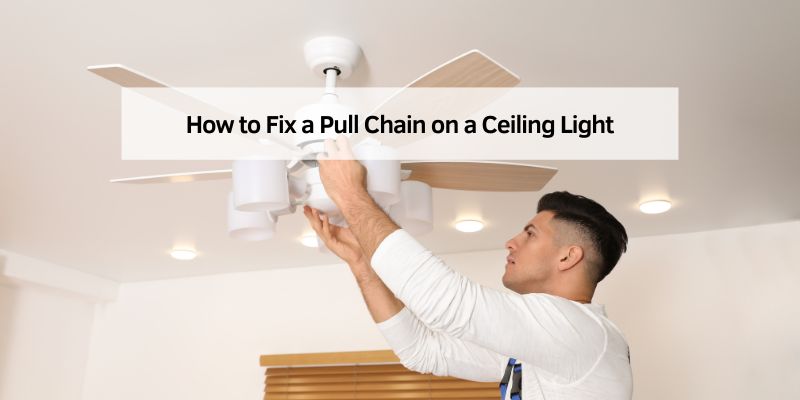
Hey there! So, your ceiling light’s pull chain isn’t working, and you’re staring up at it, wondering what to do. Trust me, I’ve been there. A broken pull chain can be a real hassle, especially when it leaves you fumbling in the dark or stuck with a light that won’t turn off. But don’t worry—I’m here to walk you through fixing it step by step. I’ve tackled this issue in my own home, and I’m sharing everything I’ve learned to help you get that light working again. Whether you’re a DIY newbie or a seasoned home improver, this guide is for you. Let’s dive into how to fix a pull chain on a ceiling light, save some money, and feel like a home repair pro!
Understanding the Pull Chain Mechanism
First, let’s talk about what a pull chain does. It’s a simple but clever little system. The pull chain is part of a switch inside your ceiling light fixture that controls the power. When you tug the chain, it flips a switch to turn the light on or off, or sometimes cycles through brightness settings. Over time, the chain can break, get stuck, or wear out, leaving you with a light that’s either always on, always off, or just plain uncooperative.
I remember the first time I dealt with this. My living room light wouldn’t turn off, and I thought I’d need a whole new fixture. Turns out, the pull chain switch was the culprit, and fixing it was easier than I expected. Knowing how the mechanism works helps you figure out what’s wrong. The chain connects to a switch inside the fixture, and that switch controls the electrical circuit. If the chain breaks or the switch jams, the connection fails. Simple, right? Now, let’s get to fixing it.
Safety First: Preparing to Work on Your Ceiling Light
Before you grab a screwdriver, let’s talk safety. Working with electricity is no joke, and I learned this the hard way when I got a tiny shock once (don’t worry, I’m fine!). Always turn off the power to the light at your circuit breaker. Flip the breaker that controls the light, and double-check by trying to turn the light on. No light? Good, you’re safe to proceed.
You’ll also want to gather some tools. I keep a small toolbox for home projects like this. Here’s what you’ll need:
| Tool/Material | Purpose |
|---|---|
| Screwdriver (Phillips/Flat) | To open the fixture and switch |
| Replacement pull chain | To replace a broken or worn chain |
| Replacement switch | If the switch itself is faulty |
| Wire cutters/strippers | For trimming or preparing wires |
| Electrical tape | To secure wire connections |
| Ladder | To reach the ceiling fixture safely |
| Flashlight or work light | To see clearly in a dim room |
Once you have your tools and the power is off, you’re ready to dive in. I always keep a flashlight handy because, let’s face it, working in a dark room isn’t fun.
Diagnosing the Problem with Your Pull Chain
Now, let’s figure out what’s wrong. When my pull chain broke, I wasn’t sure if it was the chain itself or something inside the fixture. Here are the common issues you might find:
- Broken Chain: The chain snaps, leaving you with a short stub or nothing to pull.
- Stuck Switch: The switch inside gets jammed, so pulling the chain does nothing.
- Worn-Out Switch: Over time, the switch’s internal parts wear out, breaking the circuit.
- Loose Connection: Wires inside the fixture might be loose, disrupting the switch.
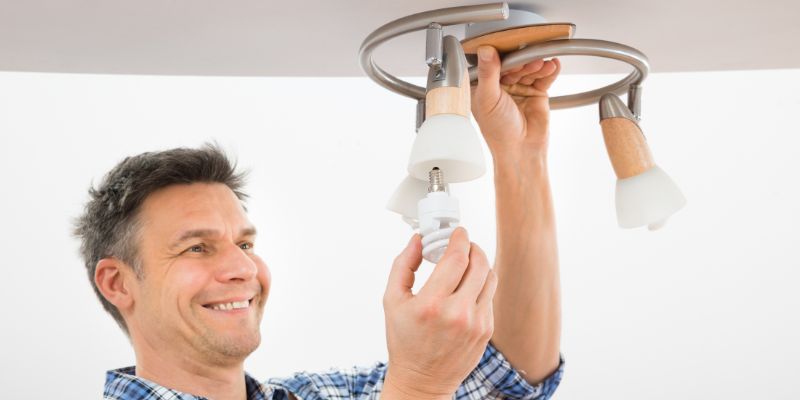
To diagnose, start by removing the light fixture’s cover. Most ceiling lights have a decorative cap or screws holding the fixture in place. Unscrew or unclip it gently—I’ve learned to be patient here to avoid cracking anything. Once the fixture is open, look at the pull chain and switch. If the chain is broken, you’ll see it’s too short or missing. If it looks intact but doesn won’t budge, the switch might be stuck or broken. Tug gently to test it. If you see any loose wires, that could be the issue too. Take a mental note (or a quick phone pic) of what you see—it’ll help when you start fixing.
Replacing a Broken Pull Chain
If the chain itself is broken, this is one of the easiest fixes. I had this issue in my bedroom light last year, and it took me about 15 minutes to sort out. Here’s how to do it:
- Remove the Fixture Cover: Unscrew or unclip the cover to access the switch. Be gentle to avoid damaging the fixture.
- Locate the Switch: The pull chain is attached to a small switch inside the fixture. It’s usually a cylindrical piece with the chain coming out.
- Remove the Old Chain: Most switches have a nut or clip holding the chain. Unscrew the nut or pop off the clip (a small screwdriver helps). Pull out the old chain.
- Attach the New Chain: Thread a new pull chain (available at hardware stores for a few bucks) through the same hole. Secure it with the nut or clip. I always give it a gentle tug to make sure it’s secure.
- Test the Chain: Before closing everything up, pull the chain a few times to ensure it moves smoothly.
- Reassemble: Put the fixture cover back on and secure it.
When I did this, I was amazed at how simple it was. The new chain worked like a charm, and I didn’t need to mess with any wires. If your chain isn’t the issue, though, you might need to dig a bit deeper.
Fixing or Replacing a Faulty Pull Chain Switch
Sometimes, the chain is fine, but the switch itself is the problem. This happened in my kitchen light, and I had to replace the entire switch. It sounds intimidating, but it’s doable if you take it slow. Here’s what I did:
- Access the Switch: Open the fixture as before to expose the switch.
- Disconnect the Switch: The switch is wired into the fixture. You’ll see two or three wires connected to it. Take a picture of the wiring setup before touching anything—I can’t stress this enough! It’s a lifesaver for reassembly.
- Remove the Old Switch: Unscrew or unclip the switch from the fixture. Gently pull it out and disconnect the wires. If the wires are held by screws, loosen them. If they’re push-in connections, use a small screwdriver to release them.
- Install the New Switch: Get a replacement switch that matches the old one (check the voltage rating at the store). Connect the wires to the new switch, following your photo. Secure them with screws or push-in connectors, and wrap with electrical tape for safety.
- Reattach the Chain: If the new switch doesn’t come with a chain, reuse the old one or attach a new one.
- Test and Reassemble: Before turning the power back on, ensure everything is secure. Reattach the fixture cover, then flip the breaker on and test the light.
The first time I replaced a switch, I was nervous about the wiring. But once I saw how straightforward it was, I felt like an electrician! Just go slow and double-check your connections.
Dealing with Loose or Damaged Wires
If the chain and switch seem fine but the light still doesn’t work, check the wires. I had a ceiling light in my hallway where the pull chain moved fine, but the light wouldn’t turn on. Turned out, a wire had come loose inside the fixture. Here’s how to handle it:
- Inspect the Wires: Look for loose, frayed, or disconnected wires. They’re usually connected to the switch or the light socket.
- Tighten Connections: If a wire is loose, tighten the screw or reinsert it into the push-in connector. Use a screwdriver to secure it.
- Replace Damaged Wires: If a wire is frayed or damaged, cut the bad section with wire cutters and strip about half an inch of insulation to expose fresh wire. Reconnect it to the switch or socket.
- Secure with Electrical Tape: Wrap any exposed wire connections with electrical tape to prevent shorts.
- Test the Light: Reassemble the fixture, turn the power on, and test.
This step can feel tricky, but it’s just about being careful. I always keep my workspace clear and double-check that the power is off before touching wires.
When to Call a Professional
Sometimes, the problem is bigger than a chain or switch. If you open the fixture and see burnt wires, exposed circuits, or anything that looks unsafe, it’s time to call an electrician. I tried to fix a light in my garage once, but the wiring was a mess, and I knew it was beyond my skills. A pro fixed it in no time, and I avoided a potential fire hazard. If you’re unsure or uncomfortable at any point, don’t risk it. Safety comes first.
Maintaining Your Ceiling Light to Prevent Future Issues
Once your pull chain is fixed, you’ll want to keep it working. I’ve learned a few tricks to make my ceiling lights last longer:
- Don’t Yank the Chain: Pull gently to avoid stressing the switch. I used to tug hard, and that’s probably why mine broke!
- Clean the Fixture: Dust can build up inside, causing switches to stick. Wipe down the fixture when you change bulbs.
- Check Bulbs Regularly: A bad bulb can strain the switch. Replace burnt-out bulbs promptly.
- Use the Right Wattage: Check your fixture’s max wattage and stick to it. Overloading can damage the switch.
These small habits have saved me from repeat repairs. It’s amazing how a little care goes a long way.
Conclusion
Fixing a pull chain on a ceiling light might seem daunting, but it’s one of those home projects that feels so rewarding once you’re done. I’ve gone from panicking about a broken light to confidently fixing chains and switches in my home. With a few tools, some patience, and this guide, you can do it too. Whether it’s a snapped chain, a faulty switch, or a loose wire, you’ve got the steps to tackle it. And if it feels overwhelming, there’s no shame in calling a pro. Now, go flip that breaker off, grab your screwdriver, and get that light working again. You’ve got this! Let me know how it goes—I’m rooting for you!
Frequently Asked Questions
Why did my pull chain stop working?
Your pull chain might have snapped, or the switch could be stuck or worn out. Loose wires inside the fixture can also cause issues. Open the fixture (with power off) to check the chain and switch for damage.
Can I fix a pull chain without replacing the whole fixture?
Absolutely! In most cases, you can replace just the chain or switch. It’s much cheaper than a new fixture. I’ve fixed several lights this way and saved a ton of money.
How do I know if I need a new switch or just a new chain?
If the chain is broken or too short, replace it. If the chain moves but the light doesn’t respond, the switch might be faulty. Test by opening the fixture and checking the switch’s movement.
Is it safe to fix a ceiling light myself?
Yes, if you follow safety steps. Always turn off the power at the breaker, use insulated tools, and double-check connections. If you see damaged wires or feel unsure, call an electrician.
Where can I buy a replacement pull chain or switch?
Hardware stores like Home Depot or Lowe’s carry them. You can also find them online at places like Amazon. Make sure the switch matches your fixture’s voltage rating.