
Hey there! So, you’ve got some burned-out LED light bulbs and you’re wondering how to dispose of them properly? I totally get it—those little bulbs are awesome for saving energy, but figuring out what to do with them when they’re done can feel like a puzzle. I’ve been down this road myself, swapping out LEDs in my home and car, and I’ve spent time researching and trying different disposal methods to keep things safe and green.
Let me walk you through everything I’ve learned about how to dispose of LED light bulbs in a way that’s easy, responsible, and good for the planet. This guide is packed with practical tips, personal stories, and step-by-step advice to make the process a breeze. Let’s dive in and clear up the confusion!
Why Proper Disposal of LED Bulbs Matters
First off, let’s talk about why you can’t just toss LED bulbs in the trash. LEDs are super energy-efficient and last forever (well, almost), but they’re made with materials like plastic, metal, and tiny amounts of chemicals. While they’re safer than older bulbs like CFLs or incandescents, improper disposal can still harm the environment. Landfills are already overflowing, and we don’t want to add to the mess.
I remember when I first started using LEDs in my garage. I thought, “Hey, these are eco-friendly, so I can just chuck them in the bin, right?” Nope. I learned that recycling them keeps valuable materials out of landfills and reduces waste. Plus, it’s about being a good steward of our planet—something I want to pass on to my kids.
Understanding What’s Inside an LED Bulb
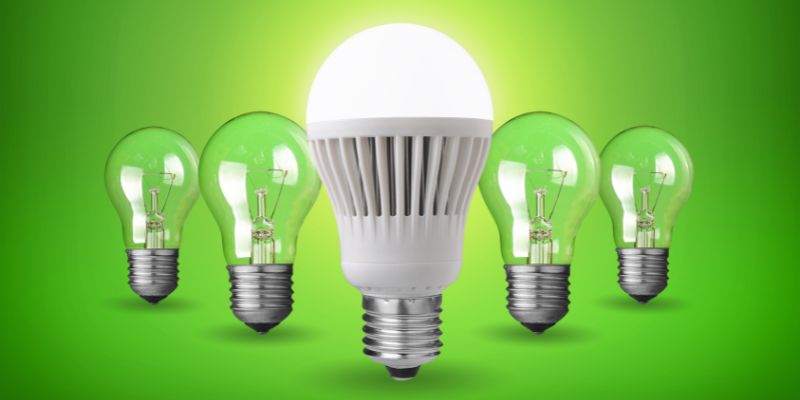
To dispose of LEDs correctly, it helps to know what they’re made of. LED bulbs have a mix of components: a plastic or glass housing, a metal heat sink, electronic circuits, and semiconductors that create light. Unlike CFLs, they don’t contain mercury, which is a big relief. But they do have small amounts of chemicals like arsenic or gallium in the diodes.
I was curious about this, so I took apart a burned-out LED bulb once (carefully, of course). It’s like a tiny spaceship inside! The parts aren’t super toxic, but they’re not something you want leaching into soil or water. That’s why recycling is the way to go—it recovers materials like aluminum and plastic for reuse.
Checking Local Regulations
Before you do anything, check your local rules. Every state and city in the USA has different guidelines for bulb disposal. Some places let you recycle LEDs at regular drop-offs, while others have special programs. I live in Colorado, and my county has free recycling bins for LEDs at hardware stores. But when I visited family in rural Texas, I had to drive to a bigger town to find a drop-off.
To find your local options, visit your city’s waste management website or call your recycling center. You can also check sites like Earth911.com or RecycleNation.com.com—just type in your zip code. I bookmarked Earth911 on my phone because it’s so handy for finding drop-offs wherever I am.
Finding Recycling Drop-Off Locations
Recycling LEDs is easier than you think. Many places take them for free. Here are some spots I’ve used:
- Hardware Stores: Home Depot and Lowe’s have bins for LEDs and other bulbs. I drop mine off when I’m picking up paint or tools.
- Electronics Retailers: Best Buy and Staples often accept LEDs as part of their e-waste programs.
- Recycling Centers: Most cities have centers that take bulbs. My local one has a “hazardous waste” day where I can drop off LEDs, batteries, and more.
- Mail-Back Programs: Some bulb manufacturers, like Philips or GE, offer mail-back kits. You send your bulbs back in a prepaid box. I tried this once when I had a bunch of specialty LEDs from my car.
Pro tip: Call ahead to confirm they accept LEDs. I showed up at a center once only to find out they only took CFLs. Save yourself the trip!
How to Prepare LED Bulbs for Disposal
Before you drop off your bulbs, a little prep goes a long way. Here’s what I do:
- Let them cool: If the bulb was just on, give it time to cool down. I burned my finger once grabbing a hot LED—ouch!
- Remove from fixtures: Carefully unscrew or unclip the bulb. For my car’s LED headlights, I had to pop the hood and twist them out.
- Store safely: Put bulbs in a sturdy box or bag to avoid breaking. I use an old shoebox lined with bubble wrap.
- Separate types: If you have CFLs or fluorescents mixed in, keep them separate. LEDs don’t have mercury, but other bulbs do, and they need special handling.
Don’t tape bulbs together—it makes recycling harder. I made that mistake early on, and the recycling guy gave me a friendly lecture about keeping them loose.
Recycling LEDs from Your Car
If you’re an automotive fan like me, you might have LEDs in your car—headlights, taillights, or interior lights. These need the same care as household LEDs. I upgraded my truck’s headlights to LEDs for better visibility, and when one burned out, I was stumped about disposal. Turns out, most auto parts stores like AutoZone or Advance Auto Parts take them for recycling.
Remove the bulb from your car carefully (check your owner’s manual for instructions). Store it in a padded container to protect the electronics. Then, drop it off at an auto parts store or recycling center. Some shops even give you a small discount on new bulbs when you recycle—score!
What Happens When You Recycle LEDs
Ever wonder what happens to your bulbs after you drop them off? I was curious, so I asked at my local recycling center. They told me LEDs go to specialized facilities where they’re broken down into parts. The metal is melted for reuse, the plastic is shredded into new products, and the electronics are processed to recover tiny amounts of rare materials.
It’s pretty cool to think my old garage bulb might become part of a new phone or car part. Recycling LEDs reduces the need for mining new materials, which is a win for the environment. Knowing this makes me feel good about taking the extra step to recycle.
Common Mistakes to Avoid
I’ve made some blunders, so let me help you dodge them. First, don’t throw LEDs in the regular trash. Even though they’re safer than CFLs, they still belong in recycling. I did this once before I knew better, and I felt so guilty when I learned the truth.
Don’t break bulbs on purpose, either. While LEDs aren’t as hazardous as mercury-filled bulbs, breaking them can release small amounts of chemicals. I dropped a bulb once, and it cracked. I swept it up with a broom and put it in a sealed bag before recycling.
Another mistake is assuming all recycling centers take LEDs. Always check first. I drove 20 minutes to a center that only took batteries—talk about frustrating!
Alternatives to Disposal: Reusing LEDs
Sometimes, LEDs aren’t totally dead—they’re just not bright enough for their original spot. I had a bulb in my kitchen that got dim after a few years. Instead of recycling it, I moved it to a closet where less light was available. It’s still going strong!
You can also get creative. I saw a friend turn old LED bulbs into a quirky art project by painting the glass and using them as vase fillers. If you’re crafty, Pinterest has tons of ideas for repurposing bulbs. Just make sure they’re safe to handle and not damaged.
Buying Eco-Friendly LEDs
Since you’re thinking about disposal, let’s talk about choosing bulbs that are easier on the planet. I always look for Energy Star-certified LEDs—they’re super efficient and often come with recycling info on the box. Brands like Cree, Philips, and Feit Electric are my go-tos because they’re reliable and eco-conscious.
Check the packaging for recycling instructions, too. Some brands partner with mail-back programs, which is handy if you don’t have a local drop-off. I also try to buy bulbs with longer lifespans (15,000–25,000 hours) so I don’t have to replace them as often.
Table: Where to Recycle LED Bulbs
Here’s a quick guide to common recycling options across the USA:
| Location Type | Examples | Notes |
|---|---|---|
| Hardware Stores | Home Depot, Lowe’s | Free bins, call to confirm |
| Electronics Retailers | Best Buy, Staples | Often take e-waste, including LEDs |
| Recycling Centers | Local waste facilities | Check for hazardous waste days |
| Auto Parts Stores | AutoZone, Advance Auto Parts | Great for car LEDs |
| Mail-Back Programs | Philips, GE, Recycle A Bulb | Prepaid boxes, good for bulk |
This table has saved me time when I’m hunting for a drop-off. Keep it handy for your next recycling trip!
Educating Others About LED Disposal
Once I got the hang of recycling LEDs, I started spreading the word. I told my neighbors about the Home Depot bins, and now we carpool to drop off our bulbs. It’s a small way to make a difference. You can share this info with friends, family, or even your workplace—my office started a bulb recycling box after I suggested it.
If you’re part of a community group or HOA, mention LED recycling at the next meeting. Many people don’t know it’s necessary, so a quick chat can go a long way. I even put a note in my car club’s newsletter about recycling automotive LEDs, and folks were grateful for the tip.
Handling Broken LED Bulbs
Accidents happen. If an LED bulb breaks, don’t panic—it’s not as bad as a CFL. Here’s what I do:
- Ventilate the area: Open a window to let air flow.
- Sweep, don’t vacuum: Use a broom to collect pieces. A vacuum can spread dust.
- Seal the debris: Put the pieces in a plastic bag or container and seal it.
- Clean up: Wipe the area with a damp cloth and add it to the bag.
- Recycle: Take the sealed bag to a recycling center that accepts broken bulbs.
I dropped a bulb in my garage once and followed these steps. It was no big deal, but I was glad I knew what to do. Check with your recycling center—some don’t take broken bulbs, so you might need a hazardous waste facility.
The Cost of Recycling LEDs
Good news: Recycling LEDs is usually free! Most drop-off locations don’t charge, and mail-back programs often include prepaid shipping. I’ve never paid a dime to recycle my bulbs, whether at Home Depot or my local center.
If you’re recycling a ton of bulbs (like from a business or big home reno), some centers might charge a small fee for bulk processing. Call ahead to check. I helped a friend recycle LEDs from her café, and we paid a $10 fee for a huge box, which felt fair.
Staying Safe During Disposal
Safety first, always. LEDs are pretty safe, but a few precautions make the process worry-free. Wear gloves when handling bulbs to avoid cuts if one breaks. I keep a pair of work gloves in my toolbox for projects like this.
Don’t store bulbs in flimsy bags where they could crush each other. I learned this when a plastic grocery bag ripped, and I had to chase rolling bulbs across my garage floor. Use a sturdy box or container. And keep bulbs away from kids and pets—my dog once sniffed a bulb I left out, and I had to shoo him away.
Troubleshooting Disposal Challenges
Sometimes, recycling isn’t as smooth as you’d like. Here are fixes for issues I’ve faced:
- No nearby drop-off: If you’re in a rural area, try mail-back programs or plan a trip to a bigger town. I drove 30 minutes once, but it was worth it.
- Center won’t take LEDs: Double-check their website or call another facility. I found a second center that took my bulbs after the first one didn’t.
- Bulbs from odd fixtures: Specialty LEDs (like car or track lighting) might need auto parts stores or manufacturer programs. My car’s LED fog light went to AutoZone.
If you’re stuck, reach out to your state’s environmental agency—they often have resources for tricky items.
The Bigger Picture: Why LEDs Are Worth It
Even with the extra step of recycling, LEDs are a no-brainer. They use up to 80% less energy than incandescent bulbs, saving you money on electric bills. My home’s LEDs cut my lighting costs in half, and they last 10–20 years, so I’m not constantly replacing them.
They’re also versatile. I use LEDs everywhere—my house, car, even my camping lantern. Knowing I can recycle them makes me feel good about choosing them over less eco-friendly options. It’s a small way to live greener without a big hassle.
FAQs About Disposing of LED Light Bulbs
Can I throw LED bulbs in the regular trash?
No, you shouldn’t. LEDs contain materials that can harm the environment in landfills. Recycle them at a drop-off or through a mail-back program instead.
Are LED bulbs hazardous like CFLs?
Nope, LEDs don’t have mercury like CFLs, so they’re safer. But they still need recycling to recover materials and avoid waste.
Where can I recycle LED bulbs from my car?
Auto parts stores like AutoZone or Advance Auto Parts take automotive LEDs. You can also check with recycling centers or mail-back programs.
What do I do if an LED bulb breaks?
Ventilate the area, sweep up the pieces, seal them in a bag, and take them to a recycling center that accepts broken bulbs. Don’t vacuum the debris.
Is recycling LED bulbs expensive?
It’s usually free at hardware stores, electronics retailers, or recycling centers. Some bulk or mail-back programs might have small fees, but they’re rare.
Wrapping It All Up
Figuring out how to dispose of LED light bulbs might seem like a chore, but it’s actually pretty simple once you know the ropes. I’ve loved sharing my journey—from my early days of tossing bulbs in the trash to becoming a recycling pro for my home and car LEDs. This process is all about taking small steps to protect our planet while keeping your space bright and energy-efficient. Whether you’re dropping off bulbs at Home Depot, mailing them back, or spreading the word to friends, you’re making a difference. Grab that shoebox, collect those burned-out LEDs, and feel good about doing your part. Your home, your car, and the Earth will thank you for it!