
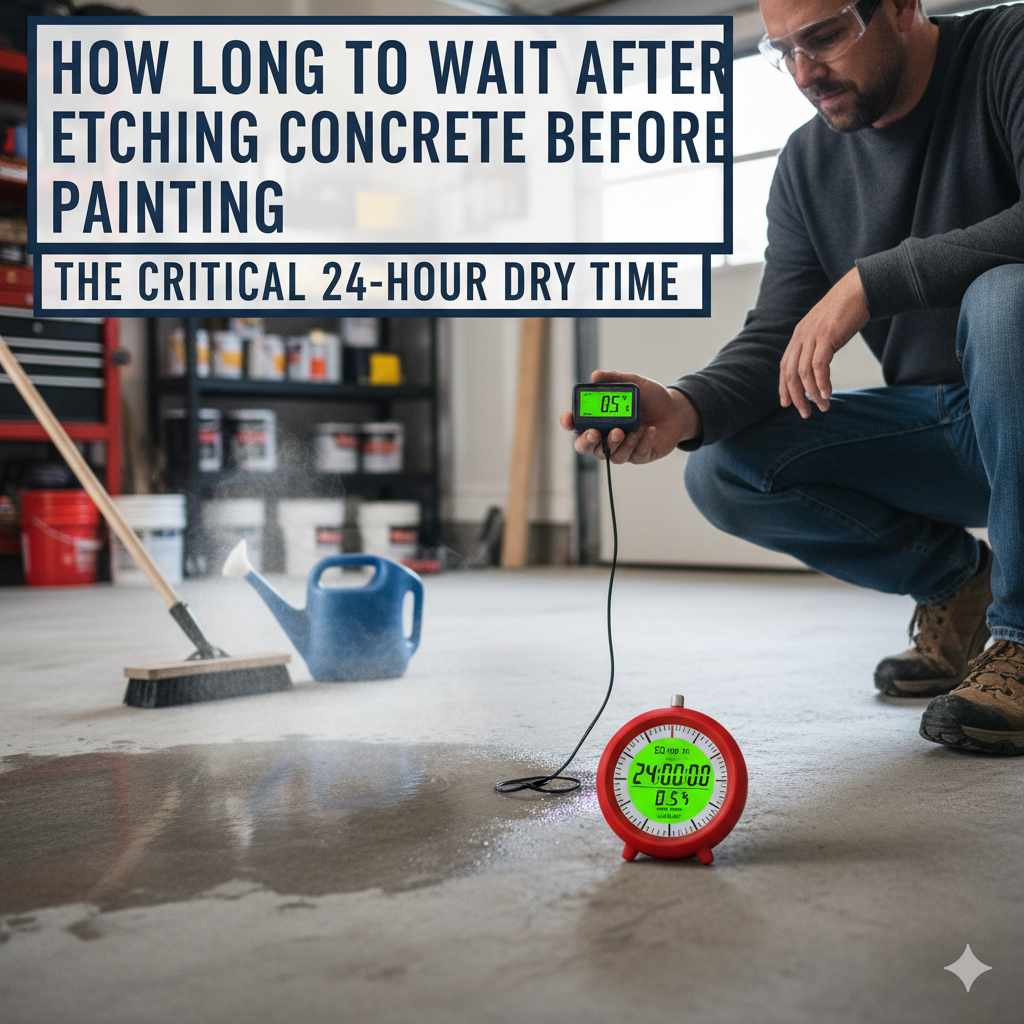
For a successful paint job on etched concrete, wait at least 24-48 hours after etching, ensuring the concrete is completely dry and has a pH between 6 and 9. This waiting period allows the concrete to fully cure and the etching residue to dissipate, creating the perfect surface for paint adhesion and a long-lasting finish.
Hey there, DIY friends! Md Meraj here, ready to help you tackle your next home improvement project with confidence. Ever found yourself staring at freshly etched concrete, wondering, “When can I finally paint this thing?” It’s a common question, and getting it right is super important for a paint job that looks great and lasts for years. Waiting too soon can lead to peeling, bubbling, or a finish that just doesn’t stick. But don’t worry, it’s not complicated! We’ll walk through everything you need to know, step-by-step, so you can get that beautiful painted finish you’ve been dreaming of.
Why Waiting is Crucial: The Science Behind the Paint
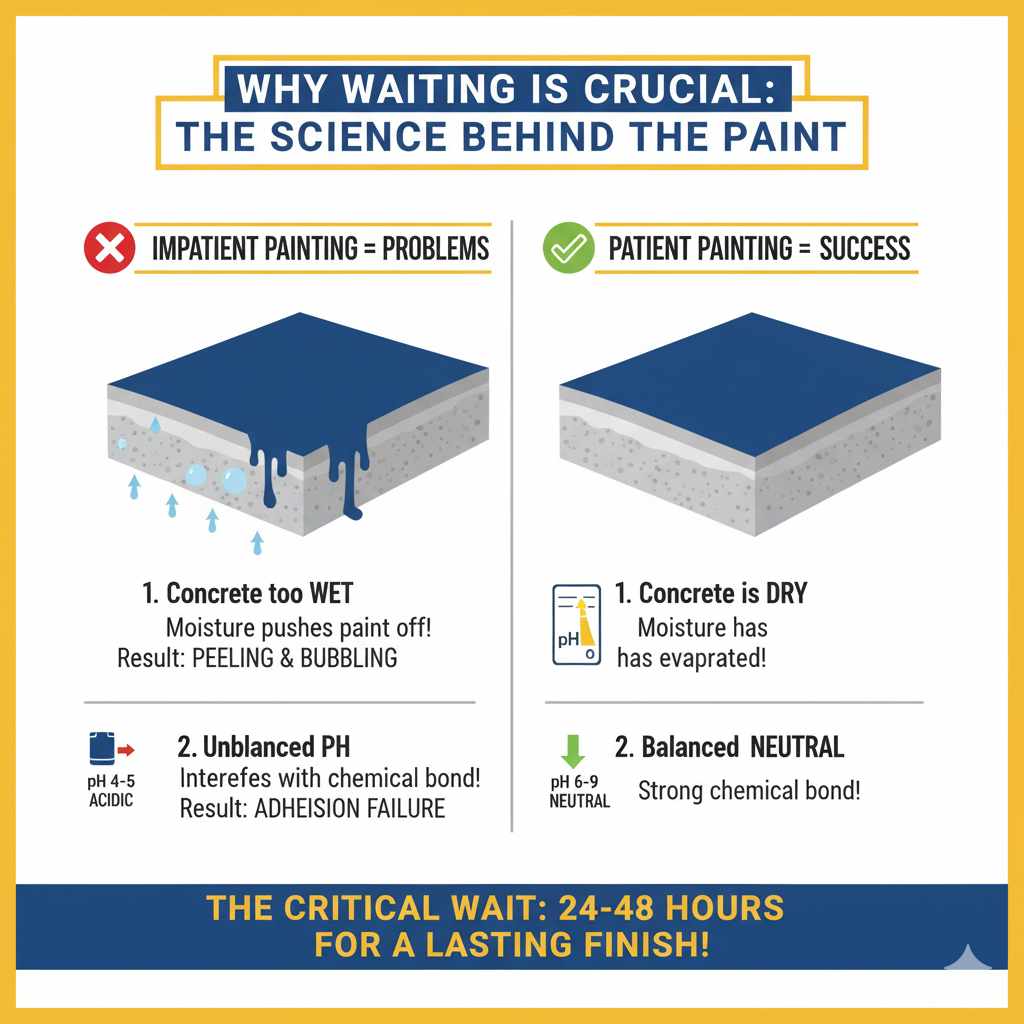
You’ve put in the effort to etch your concrete, which is a fantastic step for preparing the surface. Etching cleans the concrete and creates a slightly rough texture, giving your paint something to grip onto. However, the etching process, whether you used an acid solution or a mechanical grinder, changes the concrete’s surface. This includes its moisture content and its pH level. Painting over concrete that’s still too wet or has an unbalanced pH is like building a house on a shaky foundation – it’s just not going to hold up.
Think of it this way: Concrete is porous, meaning it has tiny holes that can hold moisture. When you etch it, you might introduce water, or the process itself can draw moisture from deeper within the slab. If you try to paint while this moisture is still trapped, the paint acts as a barrier. As the moisture tries to escape, it pushes against the paint from underneath, causing it to bubble or peel. Similarly, concrete has a natural pH, typically around 12-13 when new. Etching solutions, especially acids, lower this pH. Most concrete paints and sealers are formulated to adhere best to concrete with a pH between 6 and 9. Painting on concrete that’s too acidic can interfere with the paint’s chemical bonding, leading to adhesion failure.
So, that waiting period isn’t just a suggestion; it’s a critical curing time that allows the concrete to stabilize. It ensures that excess moisture can evaporate and the pH can return to a suitable range for painting. Patience here means a much better, longer-lasting result for your project.
Understanding the Etching Process and Its Impact
Before we dive into the waiting times, let’s briefly touch upon what etching does. You might have used a few different methods:
- Acid Etching: This is a common DIY method using diluted muriatic acid or a phosphoric acid-based cleaner. It chemically reacts with the concrete surface, opening its pores and removing laitance (a weak, dusty layer). While effective, it significantly lowers the concrete’s pH and leaves behind residue that must be thoroughly neutralized and rinsed.
- Mechanical Grinding: Using a diamond grinder can also prepare the surface. This method is cleaner and doesn’t alter the pH, but it can be more labor-intensive and requires specialized equipment. It effectively scours the surface, creating a profile for paint adhesion.
- Shot Blasting: A more industrial method that uses high-velocity projectiles to clean and profile the surface. This is typically done by professionals but offers excellent surface preparation.
Regardless of the method, etching is designed to improve the surface profile and cleanliness. However, it’s this alteration of the surface that necessitates a waiting period. Acid etching, in particular, is notorious for leaving residual salts and changing the pH. Even with thorough rinsing, it takes time for these factors to normalize.
How Long to Wait After Etching Concrete Before Painting: The Essential Timeline
The general rule of thumb for how long to wait after etching concrete before painting is 24 to 48 hours. However, this is an average, and several factors can influence this timeframe. It’s not just about the clock; it’s about the concrete’s condition.
Factors Influencing the Waiting Period
Here’s what you need to consider when deciding if your concrete is ready:
- Moisture Content: This is perhaps the most critical factor. Even after rinsing, concrete can hold a surprising amount of moisture. Painting on damp concrete is a recipe for disaster.
- Temperature and Humidity: Warmer temperatures and lower humidity levels will help the concrete dry out faster. Conversely, cool, damp, or humid conditions will significantly extend the drying time.
- Type of Etching Solution: Acidic etchers require more careful neutralization and rinsing, potentially extending the wait time to ensure the pH is right.
- Thoroughness of Rinsing and Neutralizing: If you used an acid etch, failing to rinse and neutralize properly can leave residues that affect paint adhesion and pH.
- Ventilation: Good airflow accelerates the drying process. If your project is in an enclosed garage or basement, it might take longer to dry than an outdoor patio.
The Ideal Waiting Times Breakdown
Let’s break down the recommended waiting times based on the most common scenarios:
| Etching Method | Recommended Wait Time (Minimum) | Key Considerations |
|---|---|---|
| Acid Etching (Muriatic/Phosphoric Acid) | 48-72 hours | Requires thorough rinsing and neutralization. pH testing is crucial. |
| Mechanical Grinding/Shot Blasting | 24 hours | Primarily concerned with moisture evaporation. Less impact on pH. |
| Specialized Concrete Cleaners (pH Neutral or Alkaline) | 24-48 hours | Depends on the specific product and rinsing. pH testing recommended. |
Remember, these are minimums. If conditions are not ideal (e.g., cool, humid weather), it’s always better to wait longer. Think of it as a bonus drying and curing period!
How to Tell If Your Concrete is Ready to Paint
Waiting a set amount of time is a good guideline, but how can you be sure your concrete is truly ready? Here are the best tests to perform:
1. The Moisture Test (The Plastic Sheet Test)
This is a simple yet effective way to check for trapped moisture:
- Cut a piece of clear plastic sheeting, about 2 feet by 2 feet.
- Tape all four edges of the plastic securely to the concrete surface using painter’s tape or duct tape. Make sure there are no gaps for air to escape or enter.
- Leave the plastic in place for at least 24 hours.
- After 24 hours, carefully remove the plastic.
What to look for:
- If the underside of the plastic is dry and there’s no condensation or moisture on the concrete surface, your concrete is likely dry enough to paint.
- If you see condensation, fogging, or water droplets on the underside of the plastic or on the concrete itself, it means moisture is still escaping. You’ll need to wait longer and repeat the test.
This test is a great indicator, but it’s especially important after acid etching. You might also want to check a few different spots on your concrete slab, as moisture can distribute unevenly.
2. The pH Test
This test is particularly crucial if you used an acid-based etcher. Most concrete paints require a pH level between 6 and 9 for optimal adhesion. A pH outside this range can cause the paint to fail.
What you’ll need:
- A concrete pH test kit (available at most hardware stores or online) or pH test strips.
- Distilled water.
How to perform the test:
- If using a test kit with strips, follow the manufacturer’s instructions. Usually, you’ll moisten the concrete surface with distilled water and then place the strip on it, or collect a small concrete sample, mix it with distilled water, and then dip the strip.
- If using a liquid test kit, you’ll typically collect a small sample of concrete dust, mix it with distilled water, and then add the indicator solution to see the color change.
- Compare the resulting color to the chart provided with your kit to determine the pH level.
What to look for:
- A pH reading between 6 and 9 means your concrete is ready.
- If the pH is too low (acidic), you’ll need to neutralize the surface. A common neutralizer is a solution of baking soda and water (about 1 cup of baking soda per gallon of water). Apply the neutralizer, let it sit for about 15-20 minutes, and then rinse thoroughly with clean water. You may need to repeat this process and re-test the pH until it falls within the acceptable range.
- If the pH is too high (alkaline), which is less common after etching but can happen if residues are not fully rinsed, you might need a mild acidic rinse (like a very diluted vinegar solution) followed by thorough rinsing and re-testing. Always follow the paint manufacturer’s recommendations for pH.
For more detailed information on concrete preparation, including pH testing, the Building Science Information website offers valuable insights into concrete moisture dynamics.
3. Visual Inspection
Sometimes, a good old-fashioned look can tell you a lot. After rinsing and waiting, the concrete should appear uniformly dry. There shouldn’t be any dark, damp-looking patches. If you used an acid etcher, the surface should look clean, with no powdery residue or efflorescence (white, powdery deposits). A properly etched and cleaned surface will have a uniform, matte appearance.
The Etching and Painting Process: A Quick Recap
To ensure you’re on the right track, let’s quickly recap the steps involved, from etching to painting. This helps put the waiting period into context:
- Clean the Concrete: Sweep away loose debris.
- Apply Etching Solution (if using): Follow product instructions carefully, ensuring good ventilation and wearing appropriate safety gear (gloves, eye protection, respirator).
- Scrub and Rinse: Agitate the solution with a stiff brush and rinse thoroughly with clean water. This step is critical, especially for acid etching, to remove all residues.
- Neutralize (if using acid): Apply a baking soda and water solution, scrub, and rinse again thoroughly.
- Allow Concrete to Dry: This is where our main waiting period comes in. Wait at least 24-72 hours, or until your moisture and pH tests confirm readiness.
- Perform Moisture and pH Tests: Don’t skip these crucial checks!
- Prepare for Painting: Once you’re confident the concrete is ready, ensure it’s completely free of dust or debris.
- Apply Primer (Recommended): Many concrete paints benefit from a primer designed for concrete. This enhances adhesion and durability.
- Apply Concrete Paint: Follow the paint manufacturer’s instructions for application, recoating times, and curing.
It’s always wise to consult the specific instructions for the concrete paint you plan to use. Different formulations may have slightly different requirements.
Common Mistakes to Avoid
Even with the best intentions, DIYers can sometimes run into snags. Here are a few common mistakes to steer clear of when etching and painting concrete:
- Rushing the Drying Process: This is the number one mistake. Thinking “it looks dry enough” can lead to premature paint failure. Always perform the tests.
- Skipping the pH Test: Especially after acid etching, this is a critical step. An unbalanced pH will sabotage your paint job.
- Inadequate Rinsing: Leftover etching residue acts like a bond breaker between the concrete and the paint.
- Not Using Protective Gear: Acid etching solutions can be hazardous. Always protect yourself. The U.S. Environmental Protection Agency (EPA) provides guidelines on safe handling of household hazardous waste, which can be relevant for cleaning chemicals.
- Painting in Unfavorable Conditions: Avoid painting if rain is expected, if temperatures are too hot or too cold, or if humidity is very high. Check the paint manufacturer’s recommended application conditions.
- Using the Wrong Paint: Ensure you are using a paint specifically formulated for concrete surfaces. Regular house paint won’t adhere properly or withstand the conditions concrete surfaces endure.
Paint & Primer Options for Etched Concrete
Once your concrete is prepped and ready, choosing the right paint and primer is key. Etched concrete provides a good surface, but the right products ensure longevity and a great finish.
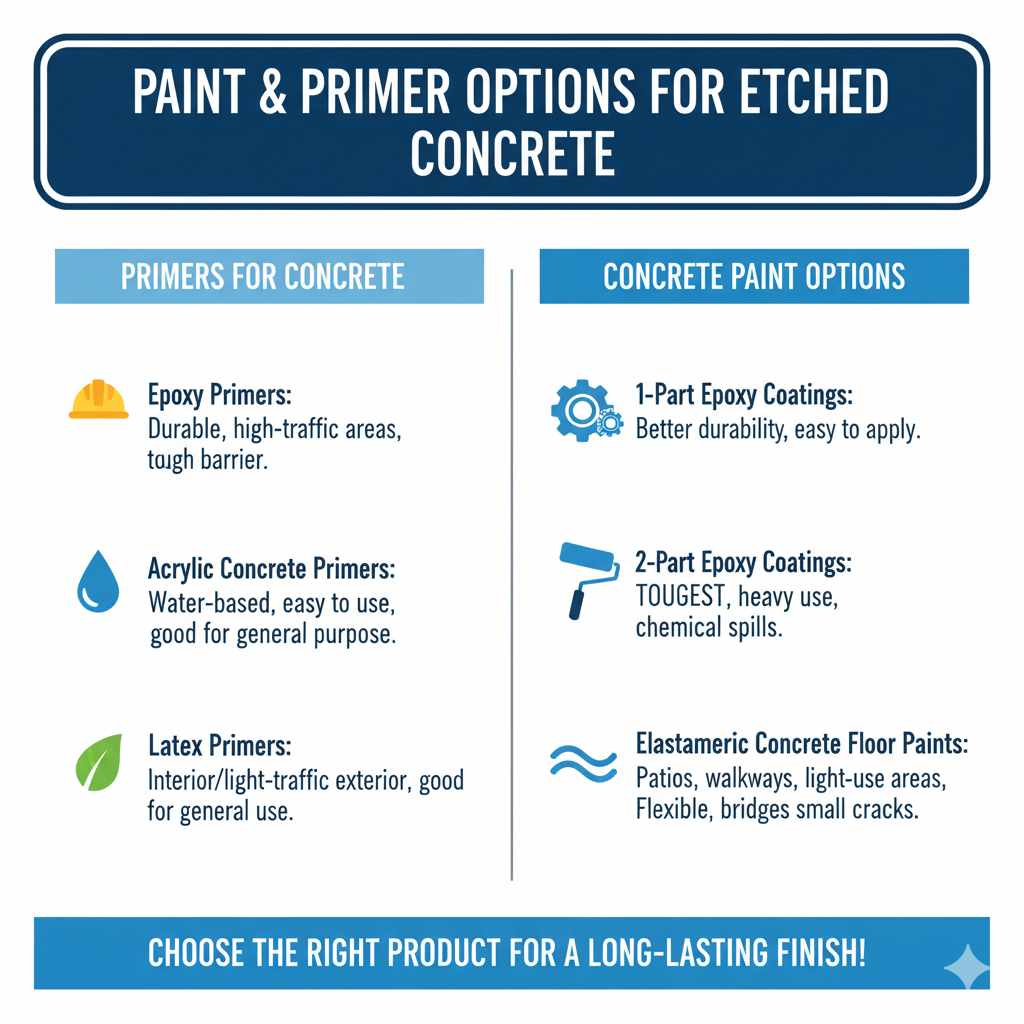
Primers for Concrete
A primer creates a uniform surface and improves the adhesion of your topcoat. For etched concrete, look for:
- Epoxy Primers: These are excellent for durability and adhesion, especially in high-traffic areas like garages. They form a very tough, chemical-resistant barrier.
- Acrylic Concrete Primers: Water-based and easy to use, these are good for general-purpose concrete painting and offer good penetration.
- Latex Primers: Some latex primers are formulated for concrete and can be a good option for interior or light-traffic exterior areas.
Always ensure the primer is compatible with your chosen topcoat. Some concrete paints are “paint and primer in one,” but a separate primer often offers superior adhesion and durability.
Concrete Paint Options
When it comes to the topcoat, your options include:
- 1-Part Epoxy Coatings: These offer better durability and chemical resistance than standard latex or acrylic paints and are easier to apply than 2-part epoxies.
- 2-Part Epoxy Coatings: The toughest and most durable option, ideal for garages, workshops, or any area that sees heavy use, chemical spills, or frequent cleaning. They require careful mixing of two components.
- Acrylic Concrete Floor Paints: Good for patios, walkways, and lighter-use areas. They are generally easy to apply and come in many colors.
- Elastomeric Concrete Coatings: These are flexible and can bridge small cracks, making them suitable for surfaces that might experience minor movement.
Consider the intended use of the concrete surface when making your selection. A patio might be fine with an acrylic, but a garage floor will benefit greatly from an epoxy.
FAQs About Etching and Painting Concrete
Let’s address some common questions you might have:
Q1: Can I paint concrete the same day I etch it?
A1: Generally, no. You need to allow ample time for the concrete to dry completely and for its pH to stabilize. This usually takes at least 24-48 hours, and sometimes longer, depending on conditions.
Q2: What happens if I paint too soon after etching?
A2: Painting too soon can lead to several problems, including paint bubbling, peeling, poor adhesion, and a premature failure of the finish due to trapped moisture or an incorrect pH level.
Q3: Do I need to test the pH after etching?
A3: If you used an acid-based etcher, testing the pH is highly recommended. Most paints require a pH between 6 and 9. Acid etching significantly lowers the pH, and it needs to return to this range before painting.
Q4: How long does concrete need to cure before it can be painted?
A4: Newly poured concrete typically needs to cure for at least 28 days before painting. However, after etching, the waiting period is about ensuring the surface is dry and its pH is balanced, which is usually 24-72 hours, not a full 28-day cure.
Q5: What is the best way to clean up after acid etching?
A5: After etching and scrubbing, rinse the concrete thoroughly with clean water. If you used an acid, you must neutralize the surface with a baking soda and water solution, then rinse again until all residue is gone and the pH is within the acceptable range.
Q6: Can I use a regular concrete sealer after etching instead of waiting to paint?
A6: While you can seal concrete after etching, it’s a different process. Sealers are designed to protect and enhance the concrete’s appearance. If your goal is to paint, you need to wait for the concrete to be dry and have the correct pH for paint adhesion. Applying a sealer too soon after etching, or before the concrete is fully dry, can trap moisture and cause issues for the sealer itself.
Q7: My concrete looks dry, but the plastic sheet test shows condensation. What should I do?
A7: Trust the plastic sheet test! It’s a more reliable indicator of trapped moisture than just visual inspection. Continue waiting, ensure good ventilation, and re-test. Patience now will save you a lot of rework later.
Conclusion: Patience Pays Off for a Perfect Finish
Tackling concrete etching and painting is a rewarding DIY project that can dramatically enhance your home’s appearance and functionality. The key to a professional-looking, long-lasting result often comes down to preparation and patience. By understanding why it’s important to wait after etching – primarily to allow the concrete to dry thoroughly and reach a balanced pH – you’re setting yourself up for success.
Remember the crucial moisture and pH tests; they are your best friends in determining readiness. Follow the recommended waiting times, adjust based on your environmental conditions, and always refer to the specific product instructions for both your etching solution and your chosen paint. By investing a little extra time in this waiting period, you’re ensuring your beautiful new painted concrete surface will stand up to the test of time, looking great for years to come. Happy painting!