
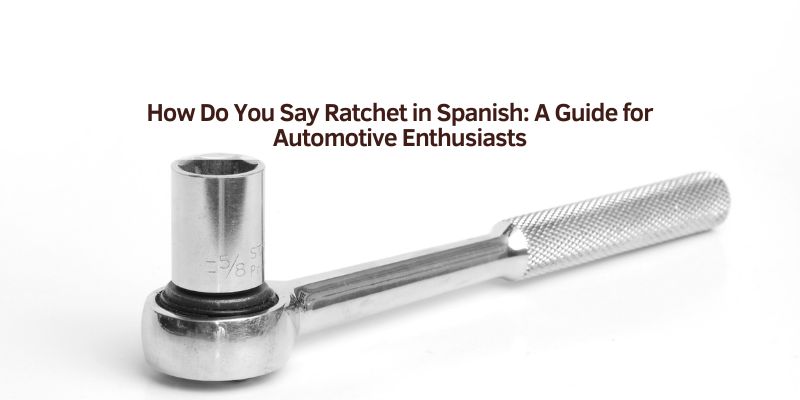
Hey there, friend! Picture this: you’re in your garage, wrench in hand, ready to tackle a car repair, and someone asks you to pass the ratchet. But what if they speak Spanish? You might find yourself wondering, “How do you say ratchet in Spanish?” I’m so glad you’re curious about this because, as a car enthusiast who’s spent years tinkering with vehicles and chatting with folks from all over, I’ve explored this topic inside and out.
It’s more than just a word—it’s a bridge between cultures and a key to understanding tools in the automotive world. So, grab a seat, maybe a cold drink, and let’s dive into this fun and practical topic together. I promise it’ll be an engaging ride!
What Is a Ratchet in the Automotive World?
Let’s start with the basics. A ratchet is a tool every car lover knows well. It’s a type of wrench with a handle and a mechanism that lets you turn a socket in one direction without lifting the tool. This makes tightening or loosening bolts a breeze. I’ve used ratchets on everything from changing oil to swapping out suspension parts. They’re lifesavers in tight spaces.
The word “ratchet” comes from the clicking sound the tool makes as it turns. It’s like music to a mechanic’s ears! But when you’re working with someone who speaks Spanish, or maybe you’re in a Spanish-speaking country fixing a car, knowing the right term is super helpful. So, how do we say it in Spanish? Let’s find out.
The Spanish Word for Ratchet
Alright, here’s the answer you’ve been waiting for. In Spanish, the word for a ratchet wrench is “llave de trinquete” or simply “trinquete.” The word “trinquete” refers to the ratcheting mechanism, and “llave” means “wrench” or “key.” So, “llave de trinquete” literally translates to “ratchet wrench.”
I remember the first time I learned this. I was at an auto shop in Miami, where lots of mechanics spoke Spanish. I asked for a ratchet, and they handed me a “llave de trinquete.” It clicked—pun intended! This term is widely used in automotive contexts across Spanish-speaking countries, from Mexico to Argentina. But there’s more to it, so let’s keep exploring.
Why Knowing “Llave de Trinquete” Matters
You might be thinking, “Why does it matter what it’s called in Spanish?” Well, let me tell you, it’s a game-changer if you’re working in a diverse shop or traveling. The USA has a huge Spanish-speaking population—over 40 million people! In places like California, Texas, or Florida, you’re likely to hear Spanish in auto shops or car meets.
I’ve been to car shows where bilingual mechanics swap tips in English and Spanish. Knowing terms like “llave de trinquete” helps you communicate better. It’s also respectful. When you use someone’s language, it shows you care. Plus, if you’re buying tools in a Spanish-speaking country or online from a Latin American seller, you’ll need to know the right word to get what you want.
Variations of the Term Across Spanish-Speaking Regions
Spanish is a rich language, and words can vary by region. While “llave de trinquete” is the standard term, some places have their own spin. For example, in Mexico, you might hear just “trinquete” in casual settings. In Spain, they sometimes call it “llave de carraca,” where “carraca” mimics the clicking sound, like “ratchet” does in English.
I learned this when I visited a friend’s garage in Puerto Rico. The mechanics there used “trinquete” but also threw around “llave de matraca.” “Matraca” is another word for a rattling or clicking sound. It’s not as common, but it’s fun to hear! These regional differences add flavor to the language and show how creative people get with tool names.
Here’s a quick table to show some variations:
| Region/Country | Common Term for Ratchet | Notes |
|---|---|---|
| Mexico | Llave de trinquete, Trinquete | “Trinquete” often used alone |
| Spain | Llave de carraca | “Carraca” reflects the sound |
| Puerto Rico | Llave de matraca, Trinquete | “Matraca” is less common |
| Argentina | Llave de trinquete | Standard term used |
| Colombia | Llave de trinquete | Consistent with standard |
Other Automotive Tools in Spanish
Since we’re on the topic, let’s broaden our vocabulary. Knowing “llave de trinquete” is awesome, but what about other tools you might need? I’ve found that learning a few key terms makes working in a bilingual shop so much easier. Here are some common automotive tools and their Spanish names:
- Wrench (adjustable): Llave ajustable
- Screwdriver: Destornillador
- Socket: Cubo or dado
- Pliers: Alices
- Hammer: Martillo
I keep a little notebook with these terms because, trust me, it’s easy to forget in the heat of a repair. Once, I asked for a “destornillador” instead of a “llave” and got some funny looks. But it’s all part of learning! These words are universal enough to work in most Spanish-speaking places, so they’re handy to know.
How to Use “Llave de Trinquete” in a Sentence
Let’s make this practical. How do you actually use “llave de trinquete” when talking? Here are a few examples I’ve picked up from working with Spanish-speaking mechanics:
- “Pásame la llave de trinquete, por favor.” (Pass me the ratchet wrench, please.)
- “Necesito un trinquete para este tornillo.” (I need a ratchet for this bolt.)
- “La llave de trinquete hace el trabajo más rápido.” (The ratchet wrench makes the job faster.)
I love how these phrases roll off the tongue. They’re simple and get the job done. If you’re practicing, try saying them out loud. It’s like learning a secret code for car geeks! And if you’re in a shop, throwing in a “por favor” never hurts.
Cultural Context: Tools and Language in Automotive Communities
Here’s something I find fascinating. Tools like the ratchet aren’t just objects—they’re part of a culture. In the USA, car culture is huge, and Spanish-speaking communities play a big role. Think lowriders in Los Angeles or classic car clubs in Miami. These folks are passionate about cars, and their language reflects that.
I’ve been to lowrider shows where mechanics proudly show off their tools, including shiny ratchets. They might call them “trinquetes” while joking in Spanglish. It’s a mix of English and Spanish that’s common in bilingual areas. Knowing the Spanish term helps you connect with these communities. It’s like joining a club where everyone loves cars and speaks from the heart.
Tips for Learning Automotive Spanish
If you’re excited to learn more Spanish for your car projects, I’ve got some tips. I’m no language expert, but I’ve picked up enough to get by in shops and at car meets. Here’s what works for me:
Start with Common Tools
Focus on words like “llave de trinquete,” “destornillador,” and “martillo.” These are used every day, so you’ll get lots of practice. I made flashcards to quiz myself while waiting for parts to arrive.
Practice with Native Speakers
Find a Spanish-speaking friend or coworker and ask them to teach you. I learned a ton from a mechanic named Carlos who loved explaining tools in Spanish. He’d laugh when I butchered words, but was always patient.
Watch Spanish Automotive Content
YouTube is full of Spanish-language car repair videos. Search for “reparación de autos” (car repair) and listen for terms like “trinquete.” I watch these while working out—it’s like learning without trying too hard.
Use Language Apps
Apps like Duolingo or Babbel have basic Spanish, but you can supplement with automotive terms. I jot down new words I hear in shops and look them up later. It’s a slow process, but it sticks.
Be Confident
Don’t be shy about trying. Even if you say “llave de trinquete” with a funny accent, people appreciate the effort. I’ve had mechanics high-five me just for trying to speak their language.
Common Mistakes When Using “Llave de Trinquete”
Let’s talk about pitfalls. I’ve made plenty of mistakes, so you don’t have to! Here are some things to watch out for:
Mixing Up Tools
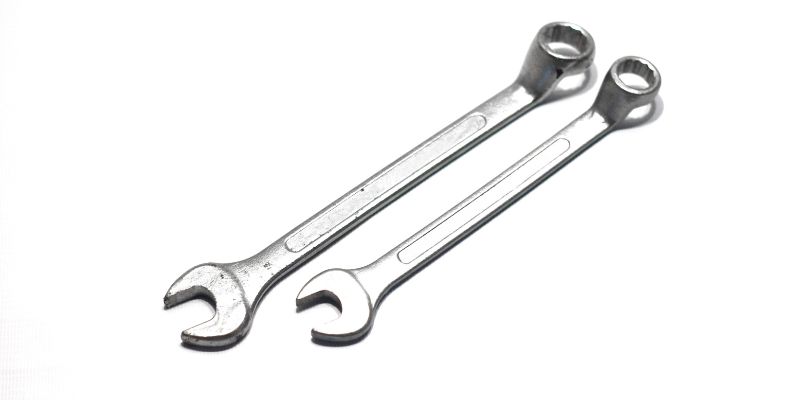
It’s easy to confuse “llave de trinquete” with “llave ajustable” (adjustable wrench). I once asked for a “trinquete” when I meant a regular wrench and got a puzzled look. Double-check the tool you need.
Pronunciation
Spanish pronunciation can be tricky. “Trinquete” is pronounced like “treen-KEH-teh.” Stress the middle syllable. I practiced this in front of a mirror to avoid sounding like I was ordering tacos.
Regional Slang
Some regions use slang you might not know. In parts of Central America, “llave” might be replaced with “herramienta” (tool). I learned this when a Guatemalan mechanic corrected me kindly.
Forgetting Politeness
In Spanish, politeness goes a long way. Always add “por favor” (please) or “gracias” (thank you). I forgot this once and felt like I came off rude. Manners make you a welcome guest in any shop.
Why Bilingual Skills Boost Your Automotive Game
Being bilingual in English and Spanish isn’t just cool—it’s a superpower in the automotive world. I’ve seen it open doors. For example, I got a killer deal on a used ratchet set because I chatted with the seller in Spanish. He was thrilled I made the effort.
Bilingual mechanics are in demand too. Shops in diverse areas need folks who can talk to customers in both languages. Knowing terms like “llave de trinquete” makes you more valuable. Plus, it’s fun to impress your buddies by tossing out Spanish tool names during a repair session.
The Future of Automotive Language in the USA
As the USA gets more diverse, Spanish will keep shaping car culture. I see it at car shows, where younger mechanics mix English and Spanish seamlessly. Terms like “trinquete” are becoming part of the lingo, even for non-Spanish speakers. It’s like how “taco” or “salsa” became everyday words.
I think we’ll see more bilingual tool manuals and videos, too. Brands are catching on that Spanish-speaking car fans are a huge market. I’ve noticed companies like Craftsman and Snap-On using Spanish in their marketing. It’s exciting to see language bring car lovers together.
Practical Scenarios: Using “Llave de Trinquete” in Real Life
Let’s wrap up with some real-world examples. Imagine these scenarios where knowing “llave de trinquete” saves the day:
- At a Shop, You’re helping a Spanish-speaking mechanic fix a car. He asks for a “trinquete.” You hand him the ratchet, and he grins. You’re now his go-to helper.
- Buying Tools: You’re at a flea market in Texas, eyeing a ratchet set. The seller speaks Spanish. You ask, “¿Cuánto por la llave de trinquete?” and score a bargain.
- Traveling: You’re on a road trip in Mexico, and your car breaks down. You tell the local mechanic, “Necesito mi trinquete para arreglar esto.” He nods and gets to work with you.
These moments make learning the term so worth it. I’ve lived through similar situations, and they’re always rewarding.
Conclusion
Wow, we’ve covered a lot, haven’t we? From “llave de trinquete” to car culture, I hope you’re as pumped about this topic as I am. Knowing how to say ratchet in Spanish isn’t just about a word—it’s about connecting with people, diving into car culture, and making your automotive adventures richer. Whether you’re in a shop, at a car show, or fixing your ride with a bilingual buddy, this knowledge is your secret weapon.
I’ve loved sharing my experiences with you, and I’m cheering you on to keep learning and exploring. So, next time you grab that ratchet, maybe give it a little wink and say, “¡Trinquete, let’s do this!” Keep wrenching, keep learning, and keep rolling down the road of car love!
FAQs
What is the most common way to say ratchet in Spanish?
The most common term is “llave de trinquete.” It’s used in most Spanish-speaking countries for a ratchet wrench.
Is “llave de carraca” the same as “llave de trinquete”?
Yes, they mean the same thing. “Llave de carraca” is more common in Spain, while “llave de trinquete” is standard elsewhere.
Can I just say “trinquete” instead of “llave de trinquete”?
In casual settings, like in Mexico or Puerto Rico, “trinquete” is fine. But “llave de trinquete” is clearer in formal or mixed settings.
How do I pronounce “llave de trinquete” correctly?
Say “YAH-veh deh treen-KEH-teh.” Stress the “KEH” in trinquete and keep the “ll” soft, like a “y” sound.
Why should I learn Spanish automotive terms?
It helps you work with Spanish-speaking mechanics, buy tools, and connect with car communities. It’s also respectful and boosts your skills.