
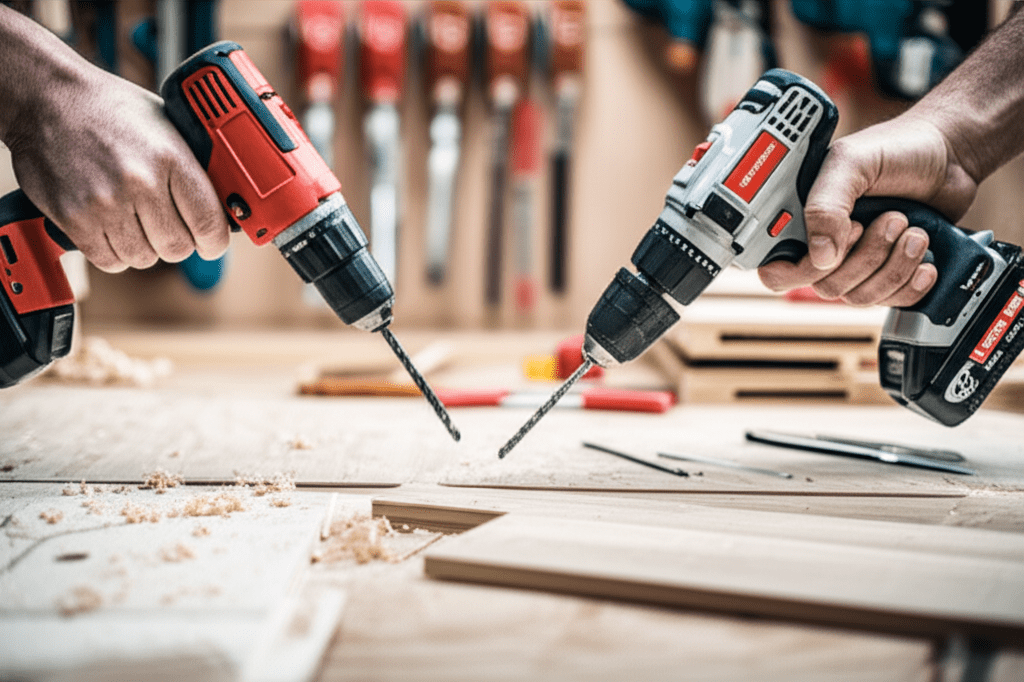
Hammer Drill vs. Impact Driver: Know the Proven Differences for Your DIY Projects!
Navigating the world of power tools can feel a bit like deciphering a secret code, especially when you’re just starting out. Two tools that often cause a bit of head-scratching are the hammer drill and the impact driver. They look similar, and both spin, but they tackle tasks very differently. Understanding these differences is key to picking the right tool for your job, saving you time, frustration, and maybe even a few stripped screws or cracked walls. Let’s break down what makes them unique so you can confidently choose the right one for your next project!
Hammer Drill vs. Impact Driver: The Core Differences
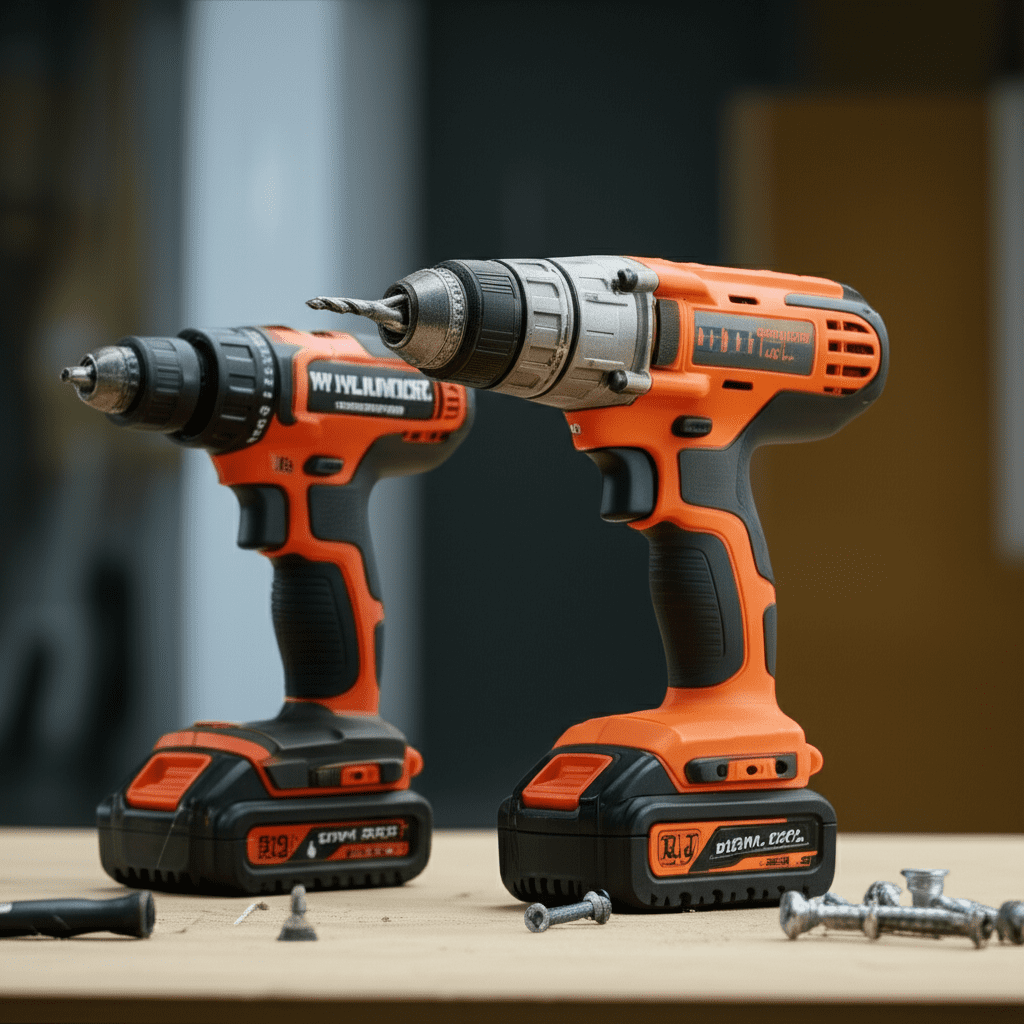
As a fellow DIYer, I know how confusing it can be to see tools that seem to do the same thing. Both hammer drills and impact drivers have a rotating chuck and are used for driving screws and drilling holes. However, their internal mechanisms and how they deliver power are worlds apart. This means they excel at different tasks.
Think of it this way: a hammer drill is a versatile drill that can also pound, while an impact driver is a specialized powerhouse designed for high-torque driving. Let’s dive into the specifics.
What is a Hammer Drill?
A hammer drill is essentially a regular drill with an added “hammer” or “percussion” function. When you switch it to hammer mode, it combines its rotational motion with a rapid forward-and-backward hammering action. This pulsing action helps it bore through tough materials like concrete, brick, and stone.
The hammering action is achieved through a mechanism with two ribbed discs. As the drill rotates, these discs move against each other, creating the hammering effect. You can turn this hammer function off and use it as a standard drill for wood, metal, and plastics.
How a Hammer Drill Works
The dual action of rotation and percussion makes the hammer drill particularly effective for masonry. The rotation spins the drill bit, while the hammering action chips away at the hard surface, allowing the bit to penetrate.
For a deeper dive into how drilling mechanisms work, you can explore resources from institutions like The National Institute of Standards and Technology (NIST), which often publish research on tool mechanics and materials science.
When to Use a Hammer Drill:
- Drilling holes into concrete, brick, or stone for anchors, mounting shelves, or hanging pictures.
- Drilling larger diameter holes in wood or metal (when the hammer function is turned OFF).
- Tasks where you need the versatility of both drilling and light hammering.
What is an Impact Driver?
An impact driver is a specialized tool designed for driving screws and other fasteners with significant torque. Instead of a hammering action that goes forward and backward, an impact driver delivers rotational impacts, also known as “kicks.”
When you pull the trigger, an internal hammer mechanism spins and strikes an anvil, which is attached to the output shaft. This generates bursts of high torque, allowing the driver to easily sink long screws into tough materials or loosen stubborn bolts.
How an Impact Driver Works
The key difference is how the impact force is applied. While a hammer drill’s impact is axial (forward and backward), an impact driver’s impact is rotational. This rotational force is much more efficient for driving fasteners, especially long ones or into dense materials.
The mechanism involves a spinning mass (hammer) that engages with a stationary part (anvil) to deliver a powerful rotational blow. This is a more concentrated application of force compared to the oscillating hammer action of a hammer drill.
When to Use an Impact Driver:
- Driving long screws, lag bolts, or deck screws into wood.
- Assembling furniture or cabinetry where many screws need to be driven.
- Removing stubborn or rusted bolts and screws.
- When you need a lot of power to drive fasteners without stripping them or damaging the material.
Key Differences: Hammer Drill vs. Impact Driver at a Glance
To make it super clear, let’s put their core differences side-by-side. This table highlights the main distinctions in their design and application.
| Feature | Hammer Drill | Impact Driver |
|---|---|---|
| Primary Function | Drilling holes (especially in masonry) and driving screws. | Driving screws and fasteners with high torque. |
| Impact Action | Axial (forward and backward hammering). | Rotational (sideways, percussive impacts). |
| Torque Delivery | Consistent rotational power, with added percussive force for drilling. | Sudden, high bursts of rotational torque. |
| Chuck Type | Typically a 3-jaw chuck that can accept various drill bits and screwdriver bits. | Typically a 1/4-inch hex collet designed for hex-shank bits. |
| Best For | Drilling into concrete, brick, stone; general drilling and light screw driving. | Driving long screws, lag bolts, deck screws; high-torque fastening. |
| Noise Level | Can be noisy due to hammering action. | Generally louder due to rotational impacts. |
| Control for Delicate Work | Offers good control for general drilling and driving when hammer function is off. | Can be difficult to control for delicate screw driving due to high torque. |
Chuck Types: A Crucial Distinction
The chuck is where you insert the bit. This is a significant difference:
Hammer Drills: Usually have a 3-jaw chuck that can be adjusted to grip a wide range of round or hex-shank drill bits and screwdriver bits. This versatility is a major plus.
Impact Drivers: Almost exclusively use a 1/4-inch hex collet. This means they can only accept bits with a 1/4-inch hex shank. This is great for quick bit changes but limits the types of bits you can use. You’ll need special hex-shank drill bits for drilling holes.
Torque: The Power Behind the Drive
Torque is the rotational force that twists a fastener.
Hammer Drills: Provide consistent rotational power. The added hammering action helps them penetrate hard materials, but the raw twisting torque isn’t as high as an impact driver.
Impact Drivers: Are built to deliver bursts of high torque. This is why they are so effective at sinking large screws or loosening tight bolts. The impact action does most of the work, reducing the strain on your wrist.
Hammer Drill vs. Impact Driver: Which One Do You Need?
This is the million-dollar question! The best tool for you depends entirely on the tasks you’ll be performing most often.
Scenario 1: You need to drill into walls for anchors or hang heavy items.
If your primary goal is drilling into concrete, brick, or block walls to install anchors, shelves, or other fixtures, a hammer drill is your go-to tool. Its hammering action is specifically designed to break through these hard materials. You can also use it as a regular drill for other tasks, making it a versatile addition to your toolkit.
For example, when hanging a heavy mirror on a brick wall, you’ll need to drill a pilot hole. A hammer drill in its hammer mode will make quick work of the brick, allowing you to insert the anchor smoothly. If you tried this with a regular drill, you’d likely overheat the motor and make very slow progress, if any.
Scenario 2: You’re building a deck or assembling furniture with lots of screws.
For repetitive screw-driving tasks, especially with long or large screws, an impact driver is the clear winner. Its high torque and rotational impacts allow it to drive screws quickly and efficiently without cam-out (the bit slipping out of the screw head) or stripping the screw. It’s also much easier on your wrists.
Imagine building a deck. You’ll be driving hundreds of 3-inch deck screws. An impact driver will make this job feel effortless, sinking each screw deep into the wood with ease. A regular drill would struggle, potentially overheat, and you’d find yourself fighting to keep the bit engaged.
Scenario 3: You’re a beginner DIYer with a mix of small projects.
If you’re just starting and have a variety of light to medium DIY tasks around the house, a hammer drill might be the more practical choice. It can handle drilling into wood, metal, and drywall, and the hammer function gives you the option to tackle occasional masonry jobs. It’s a good all-rounder.
However, many modern drills come with variable speed settings and torque clutches, which offer excellent control for driving screws without stripping them. For many homeowners, a good quality cordless drill with a hammer function can cover a wide range of needs.
Scenario 4: You already have a good cordless drill and need more power for specific tasks.
If you already own a capable cordless drill and find yourself struggling with driving large fasteners or loosening stubborn bolts, then an impact driver is an excellent complement to your toolkit. It’s not meant to replace your drill but to excel at high-torque driving tasks.
Can an Impact Driver Drill Holes?
Yes, an impact driver can drill holes, but with some important caveats.
- Bit Compatibility: You need to use drill bits with a 1/4-inch hex shank. Standard round-shank drill bits won’t work unless they have a hex shank adapter.
- Control: While it can drill, the high torque and impact action can be difficult to control, especially in softer materials or when drilling precise holes. The impacts can cause the bit to wander or create oversized holes.
- Material Limitations: They are not ideal for drilling into masonry. While some hex-shank masonry bits exist, the impact driver’s rotational impacts aren’t as effective as a hammer drill’s axial hammering for concrete or brick.
For drilling wood or metal, an impact driver can be very effective, especially for larger holes where the sheer power is beneficial. However, for precision drilling, a standard drill or a hammer drill (with the hammer function off) usually offers better control.
Can a Hammer Drill Act Like an Impact Driver?
A hammer drill can drive screws, but it’s not as efficient or powerful for high-torque applications as a dedicated impact driver.
- Torque: It has less rotational torque compared to an impact driver. Driving long screws can be slower and more challenging.
- Control: When driving screws, you need to be mindful of the torque settings on the hammer drill to avoid stripping screws or over-driving them. The hammer action should always be turned off for screw driving.
- Ergonomics: The more compact and lighter design of most impact drivers makes them easier to handle for extended screw-driving tasks.
So, while a hammer drill can handle many screw-driving jobs, an impact driver is superior for demanding fastening tasks.

Impact Driver vs. Hammer Drill: Battery Power and Features
Most modern hammer drills and impact drivers are cordless, powered by rechargeable lithium-ion batteries. The voltage of the battery (e.g., 18V, 20V MAX) is a good indicator of power, but other features also matter.
Battery Considerations
Voltage: Higher voltage generally means more power and torque. 18V or 20V MAX are common and offer excellent performance for most DIY tasks.
Amp-Hours (Ah): This indicates how long the battery will last on a single charge. A higher Ah rating means longer run time.
Battery System: If you’re investing in a brand, consider their battery ecosystem. Many brands offer a wide range of tools that use the same battery platform, which can save you money in the long run.
Other Features to Look For
Variable Speed Trigger: Essential for both tools, allowing you to control the speed for precision work.
LED Lights: Illuminate your work area, which is incredibly helpful.
Brushless Motors: These motors are more efficient, offer longer run times, and have a longer lifespan than brushed motors.
Comfortable Grip: For extended use, an ergonomic design is crucial.
For more information on battery technology and tool power, you might find resources from organizations like the ENERGY STAR program useful, as they discuss energy efficiency in various technologies.
Hammer Drill vs. Impact Driver: Maintenance and Safety
Proper maintenance and safety practices are vital for any power tool user.
Maintenance Tips
Keep them Clean: Dust and debris can clog vents and affect performance. Wipe down your tools after each use.
Battery Care: Store batteries in a cool, dry place. Avoid leaving them in extreme temperatures.
Chuck Care: For hammer drills, ensure the chuck is free of debris and lubricate it occasionally if recommended by the manufacturer.
Inspect Bits: Always use sharp, undamaged bits. Dull bits require more force, can damage your material, and put extra strain on the tool.
Safety First!
Wear Safety Glasses: Always protect your eyes from flying debris.
Use Hearing Protection: Impact drivers, in particular, can be quite loud.
Secure Your Workpiece: Use clamps to hold your material steady. Never hold small pieces by hand while drilling or driving.
Read the Manual: Familiarize yourself with your specific tool’s features, safety warnings, and operating instructions. This is crucial for understanding your tool’s capabilities and limitations.
Proper Grip: Maintain a firm grip on the tool, especially with impact drivers, to control the torque.
* Avoid Overreaching: Keep your balance and footing at all times.
Safety guidelines from organizations like the Occupational Safety and Health Administration (OSHA) provide excellent general principles for working safely with power tools.

Frequently Asked Questions (FAQs)
- Can I use a regular drill bit in an impact driver?
- No, not typically. Impact drivers use a 1/4-inch hex shank for their bits. You need hex-shank drill bits or hex-shank screwdriver bits. Standard round-shank drill bits will not fit.
- Is an impact driver better than a hammer drill for driving screws?
- For most screw-driving tasks, especially those requiring high torque or involving long screws, an impact driver is significantly better. It delivers more torque and is easier on your wrists. A hammer drill can drive screws, but it’s less efficient and powerful for demanding jobs.
- Can I use a hammer drill to drill into wood?
- Yes, absolutely! Just make sure to turn the hammer function OFF. When the hammer function is off, a hammer drill operates as a standard drill and is excellent for drilling holes in wood, metal, and plastic.
- Which tool is more versatile?
- A hammer drill is generally considered more versatile because it can perform both drilling (including masonry) and screw driving. An impact driver is specialized for high-torque fastening, though it can also drill holes with the right bits.
- Do I need both a hammer drill and an impact driver?
- It depends on your projects. If you frequently drill into concrete or brick, you need a hammer drill. If you frequently drive large screws or assemble furniture, an impact driver is highly beneficial. Many serious DIYers eventually own both, but start with the one that best suits your most common tasks.
- Are impact drivers dangerous for beginners?
- Impact drivers are powerful, so beginners should exercise caution. Always use a firm grip, start slow with the trigger, and be prepared for the initial torque burst. Reading the manual and practicing on scrap material is recommended.
Conclusion: Making the Right Choice for Your Workshop
So, there you have it! The hammer drill and impact driver are distinct tools, each with its own strengths. A hammer drill is your versatile friend for drilling into tough materials like concrete and brick, and it can also handle general drilling and screw-driving when its hammer action is turned off. An impact driver, on the other hand, is a torque-loving powerhouse built specifically for driving screws and fasteners with unmatched speed and efficiency.
Understanding these differences—the hammer action of a hammer drill versus the rotational impacts of an impact driver, the chuck types, and their ideal applications—will empower you to choose the right tool for your next DIY adventure. Whether you’re hanging a shelf, building a deck, or assembling furniture, having the correct tool makes all the difference. Happy building, and remember to always prioritize safety!