
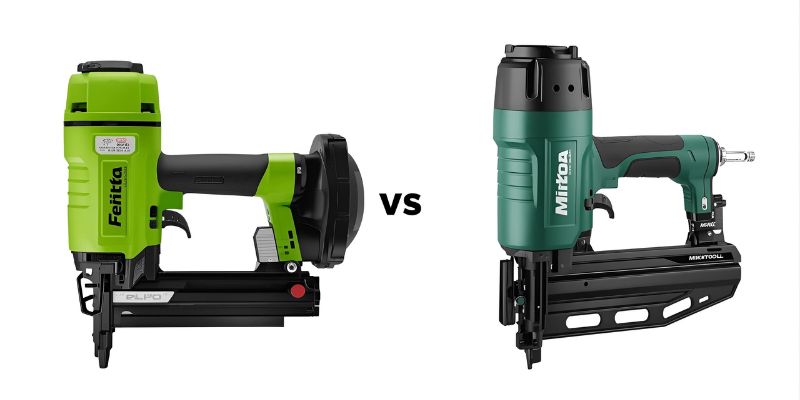
Festool vs. Mirka: For beginners, Festool generally offers a more integrated system for dust extraction and a premium feel, while Mirka provides excellent value with high-performance sanders and abrasives, often at a more accessible price point. Both are top-tier brands.
Hey there, fellow woodworkers and DIY enthusiasts! Ashraf Ahmed here. Ever stared at two gleaming, high-tech tools, knowing they’re both good, but unsure which one will be your best buddy for that upcoming project? It’s a common puzzle, especially when you’re just starting out. We’ve all been there, wanting that perfect finish without breaking the bank or feeling overwhelmed by options. Today, we’re diving into a comparison that’s often on folks’ minds: Festool versus Mirka. These names are synonymous with quality, but they approach things a little differently. We’ll break down what makes each tick, so you can make a confident choice for your workshop. Ready to clear the dust and find your perfect match? Let’s get started!
Why This Showdown Matters for Your Workshop
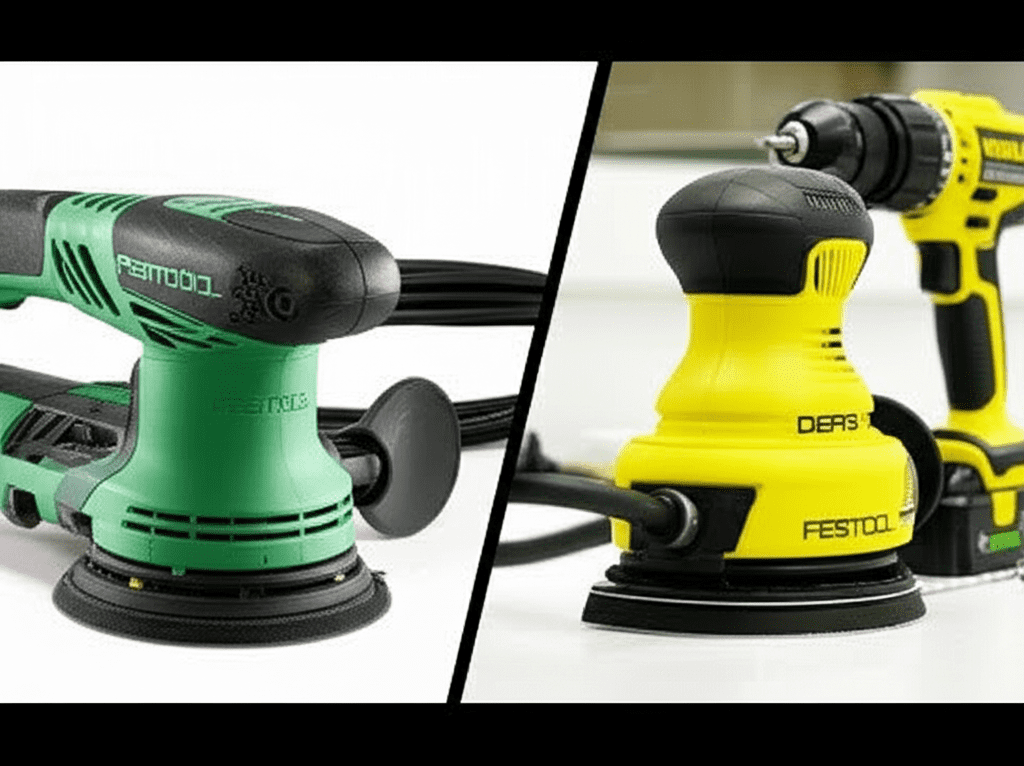
Choosing the right tools can feel like a big decision, especially when you’re building your workshop from the ground up or upgrading key pieces. Festool and Mirka are both highly respected brands in the woodworking world, known for their quality, durability, and performance. But they cater to slightly different needs and budgets, and understanding those nuances can save you time, money, and a lot of frustration down the line.
For beginners, the goal is usually to get reliable tools that make projects easier and produce great results. This means understanding which brand might offer a better entry point, which has tools that are more intuitive to use, and which provides the best overall value for the investment. We want to help you avoid that “buyer’s remorse” and instead feel empowered with tools that you’ll love using for years to come.
A Little About the Brands
Before we get into the nitty-gritty, let’s give a quick nod to the companies behind these impressive tools.
Festool: This German company has built a reputation for its innovation, particularly in dust extraction systems and highly integrated tool solutions. They are known for their “system” approach, where tools, accessories, and dust extractors work together seamlessly. Their tools often come with a premium price tag, reflecting their engineering and build quality.
Mirka: Hailing from Finland, Mirka is a global leader in abrasives, but they have also made a significant impact with their power tools, especially sanders and polishing equipment. They are recognized for their innovative abrasive technologies and for bringing high-performance, user-friendly tools to market, often at competitive price points.
The Core of the Comparison: What Are We Looking At?
When most people think of Festool vs. Mirka, their minds often go straight to sanding. This is where both brands truly shine and offer some of their most popular products. However, we’ll also touch on other tool categories where they compete.
For this comparison, we’ll focus on:
Random Orbital Sanders: The workhorse of any finishing operation.
Abrasives (Sanding Discs/Paper): The consumable that makes or breaks a sanding job.
Dust Extraction: Crucial for a clean workshop and healthy breathing.
Other Key Tools (Briefly): To give a broader picture.
Random Orbital Sanders: The Heart of the Matter
This is where the Festool vs. Mirka debate often heats up. Both brands offer excellent random orbital sanders, but their design philosophies and features can differ.
Festool Sanders (e.g., ETS EC Series)
Festool sanders are renowned for their ergonomic design, powerful brushless motors, and, crucially, their integrated dust extraction capabilities.
Key Features:
Ergonomics: Often designed for comfort during long sanding sessions, with soft grips and balanced weight.
Dust Extraction: Festool’s sanders are built to work with their CT dust extractors, creating a near-dustless sanding experience. The connection is robust and efficient.
Variable Speed Control: Precise control over sanding speed for different materials and tasks.
Brake System: Sanding pads can be electronically braked to prevent over-spinning and damage to the workpiece when the sander is lifted.
Brushless Motors: Offer more power, longer life, and less maintenance.
Longer Lifespan: Generally built to last with high-quality components.
Pros for Beginners:
Superior Dust Collection: Makes learning to sand much cleaner and safer, reducing airborne particles.
Intuitive to Use: Once connected to a dust extractor, they are generally straightforward to operate.
Consistent Results: The combination of quality sanding action and dust control helps achieve smoother finishes.
Cons for Beginners:
Price: Festool tools are a significant investment, often the most expensive option.
System Dependency: To get the full benefit, you often need their specific dust extractors and hoses, adding to the overall cost.
Mirka Sanders (e.g., DEOS, DEROS Series)
Mirka has made a name for itself with its innovative sanders, particularly the DEOS (Direct Electric Orbital Sanders) and DEROS (Direct Electric Random Orbital Sanders). These are electric, not pneumatic, which is a big deal for many workshops.
Key Features:
Compact and Lightweight: Often smaller and lighter than comparable Festool models, making them very maneuverable.
Powerful Brushless Motors: Similar to Festool, offering efficiency and longevity.
Excellent Dust Extraction: Mirka’s patented “direct-driven electric orbital” technology is designed for high dust extraction efficiency, especially when paired with their dust extractors and specialized backing pads.
Low Profile: The compact design can make them easier to handle and get into tighter spaces.
Speed Regulation: Features like an electronic brake and speed control are standard.
Pulsation Technology: Some Mirka sanders feature this for enhanced dust removal.
Pros for Beginners:
High Performance: Delivers professional-grade sanding results.
More Accessible Price Point: Generally less expensive than Festool sanders, offering great value for the performance.
Excellent Dust Collection: Still provides a very clean working environment.
User-Friendly: Often praised for their comfortable grip and ease of use.
Cons for Beginners:
System Integration: While excellent, the “system” might feel slightly less integrated than Festool’s, though Mirka’s dust extractors and hoses are still top-notch.
Availability: While widely available, they might not be in every local big-box store like some other brands.
Sanders: A Quick Comparison Table
Here’s a snapshot to help you visualize the differences:
| Feature | Festool ETS EC Series (Example) | Mirka DEOS/DEROS Series (Example) |
| Price Point | Premium / High | High-Mid / Excellent Value |
| Dust Extraction | Excellent, highly integrated system | Excellent, very efficient |
| Ergonomics | Superb, balanced, comfortable | Excellent, compact, lightweight, low profile |
| Motor Type | Brushless | Brushless |
| Build Quality | Exceptional, built for longevity | Exceptional, durable |
| System Integration | Very strong “system” approach (tools, dust, accessories) | Strong system, but perhaps less overtly emphasized than Festool |
| Innovation Focus | Integrated systems, dust extraction, precision | Abrasives, user-friendly power tools, dust extraction |
| Typical User | Professional woodworkers, serious hobbyists, demanding users | Professionals, serious hobbyists, DIYers seeking high performance |
Abrasives: The Secret Sauce to a Smooth Finish
You can have the best sander in the world, but if your sandpaper isn’t up to par, your results will suffer. Both Festool and Mirka offer premium abrasive solutions.
Festool Abrasives
Festool’s abrasives are designed to work in harmony with their sanders and dust extraction systems.
Stick-on vs. Hook-and-Loop: Festool offers both, but their high-performance abrasives often use a specialized Multi-Jetstream pad design for optimal dust extraction and even sanding.
Grit Technology: They use high-quality grains and bonding agents for efficient material removal and a consistent scratch pattern.
Multi-Hole Pattern: Many Festool discs feature a multi-hole pattern that works with their pads to pull dust away from the entire surface of the disc, not just through a few holes. This leads to less clogging and better dust collection.
Durability: Known for lasting longer than many standard abrasives.
Mirka Abrasives
Mirka is, first and foremost, an abrasive company, and their expertise shows. They are pioneers in many abrasive technologies.
Proprietary Grit and Bonding: Mirka uses advanced grain types (like ceramic grains) and bonding agents that are engineered for aggressive yet smooth sanding.
Dust-Free Sanding (Net Abrasives): Mirka is famous for its “Abranet” and “Autonet” products, which are mesh-like nets rather than traditional paper-backed discs. These allow dust to be pulled through the entire surface of the abrasive, leading to incredibly efficient dust extraction and a cleaner finish.
Longevity: Mirka abrasives are renowned for their long lifespan and resistance to loading (clogging).
Broad Range: They offer a vast selection of grits and abrasive types for virtually any material and application.
Abrasives: Who Wins for Beginners?
For beginners, Mirka’s Abranet series is often a game-changer. The dust-free sanding it enables, combined with its longevity and excellent performance, makes it incredibly user-friendly and cost-effective in the long run. You’ll experience less dust in your shop, a cleaner surface to work on, and potentially fewer disc changes. While Festool’s abrasives are excellent, Mirka’s Abranet often provides a more noticeable leap in the user experience for many.
Dust Extraction: A Breath of Fresh Air
This is a cornerstone of both brands’ philosophies, but Festool often leads the charge in creating a complete, integrated system.
Festool Dust Extractors and Hoses
Festool’s Systainer-based dust extractors (like the CT series) are designed to integrate perfectly with their tools.
System Integration: Tools, hoses, and extractors are designed to communicate. For example, many Festool sanders automatically turn on and off with the sander itself.
HEPA Filtration: Their extractors often feature robust filtration, including HEPA filters, for capturing fine dust particles.
Robust Hoses: Anti-static hoses prevent dust from clinging to the hose itself, ensuring better airflow and less mess.
Large Capacity: Their extractors typically have generous dust collection bags or containers.
Mirka Dust Extractors and Hoses
Mirka also offers high-quality dust extractors and hoses designed for efficient dust collection.
High Performance: Mirka’s extractors are powerful and designed to work seamlessly with their sanders and net abrasives.
Automatic Start/Stop: Similar to Festool, their extractors can be set up to activate when a connected tool is turned on.
Compact Options: They offer a range of sizes to suit different workshop needs.
Efficient Filtration: Designed to capture a high percentage of dust.
Dust Extraction: What’s Best for a Beginner?
This is where the “system” aspect becomes important.
Festool’s advantage is the sheer level of integration. If you buy into the Festool system, everything works together with minimal fuss. The anti-static hoses and robust connections are particularly well-regarded.
Mirka’s advantage is that their dust extraction is also excellent, and often comes at a slightly lower price point for comparable performance. Their pairing with Abranet abrasives makes the dust collection incredibly effective.
For a beginner, the primary goal is to get any effective dust extraction system. Both brands deliver this. If budget is a major concern, you might find Mirka slightly more accessible. If you envision a fully integrated, premium workshop experience from the start, Festool offers that complete package. It’s worth noting that a good dust extractor is a significant investment, so if you’re just starting, consider if a Festool or Mirka extractor is the right first step, or if a more budget-friendly option might suffice initially while you invest in their sanders.
Other Key Tools: A Broader Look
While sanding is a major battleground, both brands offer a range of other woodworking tools.
Track Saws: Festool is the undisputed leader in track saw technology, offering unparalleled precision and portability for cutting sheet goods and large panels. Mirka doesn’t directly compete in this specific category.
Routers: Both brands offer high-quality routers, often designed to integrate with their guide systems or dust extraction. Festool’s routers are known for their precise depth adjustment and smooth operation. Mirka’s offerings are also robust and well-built.
Drills and Drivers: Both have excellent cordless drill/driver options, often featuring brushless motors and durable construction. Festool’s cordless tools are part of their unique 18V system, while Mirka also has a strong line-up.
Dominance in Specific Niches: Festool has carved out strong positions in areas like plunge-cut saws, domino joiners, and orbital polishers for automotive use, which also find applications in woodworking. Mirka’s strength remains heavily in abrasives and sanding/polishing tools.
The “System” Advantage: Festool’s Edge
One of Festool’s biggest selling points is its commitment to a holistic “system” approach. This means their tools are designed to work seamlessly together.
Tool Compatibility: A Festool sander connects perfectly to a Festool dust extractor with a specific hose that’s anti-static and designed for optimal airflow.
Storage Solutions: Their Systainer system allows tools, accessories, and even dust extractors to stack and connect, making transport and organization incredibly efficient.
Workflow: This integration aims to create a smooth, efficient workflow with minimal setup and maximum dust control.
While Mirka’s tools are also designed to work well together, Festool has elevated this integration to an art form. For a beginner, this can mean less guesswork and a more streamlined experience, assuming you invest in multiple components of the system.
Cost vs. Performance: Finding Your Sweet Spot
This is often the deciding factor for many users, especially beginners.
Festool: You are paying a premium for German engineering, meticulous design, and a fully integrated system. The longevity and resale value are often high, which can offset some of the initial cost. However, the upfront investment can be substantial.
Mirka: Offers exceptional performance that rivals Festool in many areas, particularly sanding, but at a more accessible price point. You get a lot of bang for your buck, making it an attractive option for those who want professional results without the absolute top-tier price tag.
For a beginner, it’s crucial to assess your budget and how much you’ll be using the tools. If you’re just starting and have a limited budget, a Mirka sander and abrasives might be a more practical entry point than a full Festool setup. As you progress and your needs become clearer, you can always expand your toolset.
Safety First: Always
Regardless of the brand you choose, always prioritize safety.
Dust Masks/Respirators: Even with excellent dust collection, wearing a good quality dust mask or respirator is essential. The U.S. Occupational Safety and Health Administration (OSHA) provides guidelines on protecting yourself from wood dust.
Eye Protection: Safety glasses are a must when operating any power tool.
Hearing Protection: Sanders, in particular, can be noisy.
Read Manuals: Always read and understand the owner’s manual for each tool before operating it.
Frequently Asked Questions (FAQ)
Q1: Are Festool tools worth the high price for a beginner?
For some beginners, yes, especially if you value a highly integrated system, excellent dust collection, and a tool known for its longevity. However, the high cost can be a barrier. Mirka often provides comparable performance at a lower price point, which might be a better starting point if budget is a primary concern.
Q2: What’s the main difference between Festool and Mirka sanders?
The main differences lie in their system integration, design philosophy, and price. Festool excels in creating a complete, seamless system where every component works together perfectly, often with a focus on ergonomic comfort and premium feel. Mirka offers incredibly high-performance sanders that are often more compact and lighter, providing excellent dust extraction and user-friendliness at a more competitive price.
Q3: Which brand’s abrasives are better, Festool or Mirka?
Mirka, particularly with their Abranet (net) abrasives, often provides a superior user experience for beginners due to their exceptional dust extraction and longevity, leading to a cleaner workspace and often better value. Festool abrasives are also of very high quality and work exceptionally well within their system, especially with their multi-hole patterns for dust extraction.
Q4: Do I need a Festool or Mirka dust extractor to use their sanders?
While you can use other dust extractors, both Festool and Mirka sanders are optimized to work with their respective dust collection systems for the best performance and dust extraction. Using them with their designed-for systems ensures optimal airflow, efficient dust capture, and often automatic on/off functionality.
Q5: Is Mirka considered a professional brand like Festool?
Yes, absolutely. Mirka tools are widely used by professionals in woodworking, automotive, and marine industries. While Festool might have a slightly more dominant presence in some high-end woodworking circles due to its system approach, Mirka is a globally recognized professional-grade brand known for its innovation and quality, especially in abrasives and sanding.
Q6: Which brand should I choose if I’m on a tight budget but want quality?
If your budget is a primary concern but you still want high quality, Mirka is often the more accessible choice. Their sanders and abrasives deliver professional-level results without the premium price tag associated with Festool. You can build a very capable Mirka setup for less than a comparable Festool setup.
Making Your Decision: What’s Right for You?
So, Festool vs. Mirka – who wins? The truth is, there’s no single winner. It entirely depends on your individual needs, budget, and priorities as a beginner woodworker.
Choose Festool if:
You want the most integrated and refined “system” experience.
Budget is less of a concern, and you’re willing to invest in premium tools and the ecosystem.
You prioritize ergonomics and a tool that feels like an extension of your hand.
You plan on doing a lot of detailed finishing and value top-tier dust collection above all else.
Choose Mirka if:
You want professional-level performance without the absolute highest price tag.
You are particularly impressed by net abrasive technology for dust-free sanding.
You appreciate compact, lightweight, and user-friendly tools.
You want to get the best possible value for your money.
For many beginners, starting with a high-quality Mirka sander and their Abranet abrasives, perhaps paired with a good universal dust extractor, can be a fantastic entry into serious woodworking. As you grow and your projects demand more, you can always explore other brands or add specialized tools.
Conclusion
Navigating the world of high-quality woodworking tools can be a journey, and understanding brands like Festool and Mirka is a big step. Both offer exceptional tools that will elevate your woodworking. Festool provides a meticulously engineered, integrated system that’s a joy to use if the budget allows. Mirka delivers outstanding performance, particularly in sanding, with innovative abrasives and user-friendly tools that offer incredible value.
As a beginner, your goal is to invest in tools that inspire confidence, deliver great results, and make the learning process enjoyable. Whether you lean towards the comprehensive system of Festool or the performance-driven value of Mirka, you’re choosing from the best. Focus on what feels right for your hands, your budget, and your workshop goals. Happy woodworking!