
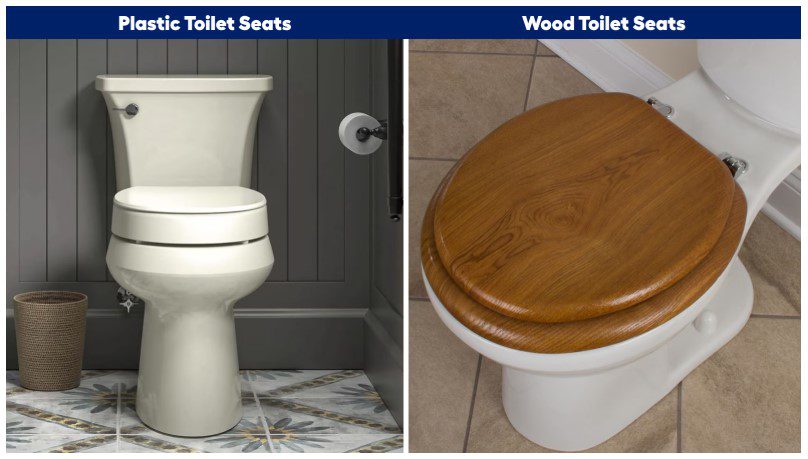
Choosing between an enameled wood and a plastic toilet seat is essential for bathroom comfort and durability. Enameled wood offers a classic, solid feel and warmth, while plastic provides a lightweight, often more affordable, and moisture-resistant option. Both have unique benefits, and understanding their differences will help you make the best choice for your needs and style.
Choosing the right toilet seat might seem like a small decision, but it can make a surprising difference in your bathroom’s look and feel. Many of us have faced the frustration of a wobbly, uncomfortable, or quickly damaged toilet seat. It’s a common problem, and finding a reliable solution can feel overwhelming. But don’t worry! I’m here to guide you through the choices, making it simple to pick the perfect seat for your home.
We’ll explore the key differences between enameled wood and plastic toilet seats, helping you make an informed decision that you’ll be happy with for years to come. Get ready to upgrade your bathroom experience with a seat that’s both comfortable and built to last!
Understanding Toilet Seat Materials: A Woodworker’s Perspective
As a woodworker, I appreciate the inherent qualities of different materials, and toilet seats are no exception. The choice between enameled wood and plastic isn’t just about aesthetics; it’s about understanding how these materials perform in a high-moisture environment like a bathroom. Enameled wood seats leverage the natural beauty and solidity of wood, enhanced by a protective coating.
Plastic seats, on the other hand, are engineered for specific properties like resistance to moisture and ease of cleaning. My goal is to break down these differences in a way that’s easy to grasp, so you can feel confident in your selection, whether you’re a seasoned DIYer or just starting out.
Enameled Wood Toilet Seats: The Classic Choice
Enameled wood toilet seats have been a popular choice for decades, and for good reason. They combine the natural warmth and solidity of wood with a smooth, durable finish. This traditional material offers a comforting feel underfoot and a classic aesthetic that can complement a variety of bathroom styles.
What is Enameled Wood?
Enameled wood refers to seats typically made from medium-density fiberboard (MDF) or solid wood, coated with a thick layer of enamel. This enamel is usually a thermosetting plastic like urea-formaldehyde or melamine, baked onto the wood at high temperatures. This process creates a hard, glossy, and water-resistant surface that’s also quite attractive.
Pros of Enameled Wood Toilet Seats
- Comfort and Warmth: Wood naturally feels warmer to the touch than plastic, making it more comfortable, especially in cooler climates.
- Durability: When properly cared for, a good quality enameled wood seat can last many years. The solid core provides a sturdy feel.
- Aesthetics: They often have a more substantial, high-quality appearance. They can be found in a wide range of colors and designs, including realistic wood grain patterns.
- Weight: They tend to be heavier, which can contribute to a feeling of stability and quality.
Cons of Enameled Wood Toilet Seats
- Susceptibility to Moisture Damage: If the enamel coating is chipped or cracked, moisture can seep into the wood, leading to swelling, warping, or rot. This is a key consideration for bathrooms with high humidity or potential for spills.
- Potential for Chipping/Scratching: The enamel surface, while hard, can chip or scratch if subjected to harsh impacts or abrasive cleaners.
- Weight: While a pro for stability, their weight can make installation slightly more challenging for some.
- Price: Generally, enameled wood seats can be more expensive than basic plastic models.
Plastic Toilet Seats: The Modern Contender
Plastic toilet seats have gained significant popularity due to their affordability, lightweight nature, and excellent resistance to moisture. They are a practical choice for many households, offering a straightforward solution for bathroom needs.
Types of Plastic Used
Most plastic toilet seats are made from either:
- Polypropylene (PP): This is a common, versatile plastic known for its toughness and resistance to chemicals and moisture. It’s often used for more budget-friendly options.
- Polystyrene: While less common for high-quality seats, it’s a lighter and often cheaper plastic.
- Resin/Resin Composite: Some higher-end plastic seats are made from resin composites, which can offer greater durability, a more premium feel, and unique decorative possibilities (like embedded shells or patterns).
Pros of Plastic Toilet Seats
- Moisture Resistance: Plastic is inherently resistant to water and humidity, making it an ideal material for bathrooms. It won’t warp or rot.
- Lightweight: Easier to handle and install.
- Affordability: Generally less expensive than enameled wood options.
- Ease of Cleaning: Smooth plastic surfaces are very easy to wipe down and sanitize.
- Variety: Available in an enormous range of colors, styles, and features, including soft-close hinges and built-in nightlights.
Cons of Plastic Toilet Seats
- Feel: Can feel less substantial and “cheaper” than wood. They also tend to feel colder to the touch.
- Durability of Finish: While the plastic itself is durable, the surface can be prone to scratching and can yellow or become brittle over time, especially with exposure to certain cleaning agents or UV light.
- Environmental Impact: As a petroleum-based product, plastic has a larger environmental footprint compared to wood.
Enameled Wood vs. Plastic Toilet Seat: A Direct Comparison
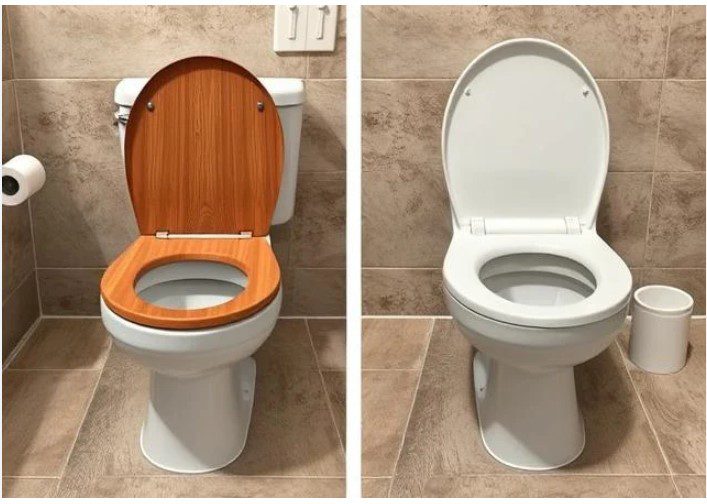
To help you visualize the differences, let’s put them side-by-side. This table highlights the key characteristics you should consider when making your choice.
| Feature | Enameled Wood Toilet Seat | Plastic Toilet Seat |
|---|---|---|
| Material Feel | Warm, solid, substantial | Lightweight, can feel cooler and less substantial |
| Durability | Good, but can chip/scratch; susceptible to moisture if damaged | Good resistance to moisture; surface can scratch or yellow over time |
| Comfort | Warmer to the touch | Can feel cold to the touch |
| Aesthetics | Classic, high-quality appearance; wide range of colors/finishes | Modern, vast range of colors, styles, and novelty designs |
| Maintenance | Easy to clean, but avoid abrasive cleaners that can damage enamel | Very easy to clean and sanitize |
| Price Range | Mid to high | Low to mid (with some premium resin options being higher) |
| Installation | Slightly heavier, may require more careful handling | Lightweight, generally easy to install |
| Moisture Resistance | Good as long as enamel is intact | Excellent |
Factors to Consider for Your Bathroom
When deciding between enameled wood and plastic, think about your specific bathroom environment and personal preferences. Here are some key factors:
1. Bathroom Humidity Levels
If your bathroom tends to be very humid, or if you have children prone to splashing, a plastic seat might be the safer bet. Its inherent resistance to moisture means it’s less likely to be damaged by water exposure. For less humid environments, or if you’re meticulous about wiping up spills quickly, an enameled wood seat can perform admirably.
2. Budget
Generally, plastic toilet seats are more budget-friendly. If you’re looking for a cost-effective solution, a basic polypropylene seat is a great option. Enameled wood seats, especially those made with solid wood cores or unique finishes, will typically cost more. However, consider the long-term value; a well-made enameled wood seat might last longer than a cheaper plastic one.
3. Aesthetics and Style
What look are you going for? Enameled wood seats often convey a sense of classic elegance and can feel more substantial. They are available in a spectrum of colors and even realistic wood grain patterns. Plastic seats offer incredible versatility in design, from minimalist white to vibrant colors and decorative prints. For a modern or minimalist bathroom, plastic can be ideal. For a more traditional or spa-like feel, enameled wood might be preferred.
4. Comfort and Feel
This is a personal preference. Many people find wood, even enameled wood, to be warmer and more comfortable to sit on than plastic, especially during colder months. Plastic can feel cool and smooth. Consider what you prefer for your daily routine.
5. Durability and Maintenance
Both types can be durable, but in different ways. Plastic excels in resisting moisture damage. Enameled wood offers a solid feel but requires careful maintenance to avoid chipping the enamel, which could compromise its longevity. For ease of cleaning and sanitizing, plastic often has a slight edge due to its uniform, non-porous surface.
Installation and Care Tips
No matter which material you choose, proper installation and care are crucial for maximizing its lifespan and performance. Remember to always consult the manufacturer’s instructions for specific guidance.
Installing Your New Toilet Seat
Toilet seat installation is a straightforward DIY task. You’ll typically need:
- A new toilet seat
- The included bolts, nuts, and washers
- A screwdriver (usually Phillips head)
- Adjustable wrench or pliers
Basic Steps:
- Remove the old seat by loosening the nuts under the bowl.
- Clean the mounting area thoroughly.
- Position the new seat, aligning the bolts with the holes in the toilet bowl.
- Insert bolts and secure them with washers and nuts from underneath. Tighten firmly but avoid overtightening, which can crack the porcelain or the seat bolts.
- Ensure the seat is stable and centered before fully tightening.
For a detailed visual guide, resources like This Old House offer excellent tutorials on replacing a toilet seat.
Caring for Your Enameled Wood Seat
To keep your enameled wood seat looking its best:
- Clean regularly with a soft cloth and mild soap or a non-abrasive bathroom cleaner.
- Avoid using harsh chemicals, bleach, or abrasive scrubbing pads, as these can damage the enamel finish.
- Wipe up spills and moisture promptly to prevent water damage.
- Check the mounting bolts periodically and tighten if necessary.
Caring for Your Plastic Seat
Plastic seats are generally low-maintenance:
- Clean with a soft cloth and mild soap or disinfectant.
- Most common household cleaners are safe, but always test in an inconspicuous area if unsure.
- Avoid abrasive cleaners that can scratch the surface.
- If the seat becomes discolored, sometimes a paste of baking soda and water can help lift stains.
Frequently Asked Questions (FAQ)
Q1: Which type of toilet seat is more hygienic?
Both materials can be hygienic if cleaned regularly. Plastic is often considered slightly more hygienic because its surface is typically smoother and less prone to microscopic cracks where bacteria can hide, especially if the enamel on a wood seat is damaged. However, a well-maintained enameled wood seat is also very hygienic.
Q2: Can enameled wood seats be repaired if chipped?
Minor chips can sometimes be repaired with touch-up paint or specialized enamel repair kits. However, these repairs may not be as durable as the original finish and might not fully prevent moisture ingress over the long term. For significant damage, replacement is usually recommended.
Q3: Are there eco-friendly options for toilet seats?
Yes, there are increasingly eco-friendly options available. Some manufacturers offer seats made from recycled plastics or sustainable wood sources. Look for certifications or product descriptions that highlight recycled content or sustainable forestry practices.
Q4: Which is better for a child’s bathroom?
For a child’s bathroom, plastic seats are often preferred due to their superior moisture resistance and ease of cleaning. They are also generally more affordable, which can be a consideration if the seat might need frequent replacement as a child grows.
Q5: Do heavier toilet seats mean better quality?
Weight can be an indicator of quality, as denser materials and thicker construction often contribute to a heavier seat, giving it a more substantial feel. However, a lightweight plastic seat can still be very durable and well-made. It’s more about the overall construction and material quality than just the weight.
Q6: How often should I replace my toilet seat?
A toilet seat can last anywhere from 5 to 15 years, depending on the material quality, how it’s used, and how well it’s maintained. Look for signs of wear like cracks, chips, discoloration, or loosening hinges. If it’s no longer stable or aesthetically pleasing, it’s time for a replacement.
Making Your Final Decision
Choosing between an enameled wood and a plastic toilet seat ultimately comes down to balancing your priorities. If you value a classic look, a warmer feel, and a substantial presence in your bathroom, and you’re prepared for a little extra care, an enameled wood seat is an excellent choice. Its traditional appeal and comforting warmth are hard to beat for many homeowners.
On the other hand, if your top priorities are moisture resistance, easy maintenance, affordability, and a wide variety of modern styles, then a plastic toilet seat is likely the better option. They offer practical performance that stands up well to the demands of a busy bathroom environment, making them a reliable and cost-effective solution for most households.
Consider the environment of your bathroom – how much humidity do you typically have? Do you have young children who might be rougher on the seat? Think about your budget and the overall aesthetic you’re trying to achieve. By weighing these factors and understanding the pros and cons of each material, you can confidently select the toilet seat that best suits your needs and enhances your bathroom experience. Happy choosing!