

Hey there! Have you ever taken a medication and noticed something strange, like your urine turning a bright orange color? I remember the first time I heard about rifampin and its quirky side effects—it was surprising, to say the least! If you’re here, you’re probably wondering, “Does rifampin turn urine orange?” The short answer is yes, it absolutely can, and it’s one of the most well-known side effects of this antibiotic. But there’s so much more to this topic than just a colorful change in your pee. As someone who’s explored this topic for my own curiosity, I’m excited to share everything I’ve learned about rifampin, why it causes this effect, and what you need to know if you’re taking it. Let’s dive in and unpack this fascinating subject together!
What Is Rifampin and Why Is It Used?
Let’s start with the basics. Rifampin, also known as rifampicin, is a powerful antibiotic that doctors prescribe to fight serious bacterial infections. I first came across it when a friend mentioned it as part of their treatment for tuberculosis (TB). It’s commonly used for TB, but it’s also prescribed for other conditions like leprosy, Legionnaires’ disease, and even to prevent meningitis in people who’ve been exposed to the bacteria that cause it. Think of rifampin as a heavy-hitter in the antibiotic world—it targets bacteria by stopping them from making the proteins they need to survive.
What makes rifampin stand out is how it’s often used in combination with other medications. For example, in TB treatment, it’s paired with other drugs to make sure the infection is fully cleared. It’s available as a capsule you take by mouth or as an injection for more severe cases. Knowing what rifampin does helped me understand why it’s such an important drug, but also why it comes with some unique side effects, like turning your urine orange. Let’s explore that next.
Why Does Rifampin Turn Urine Orange?
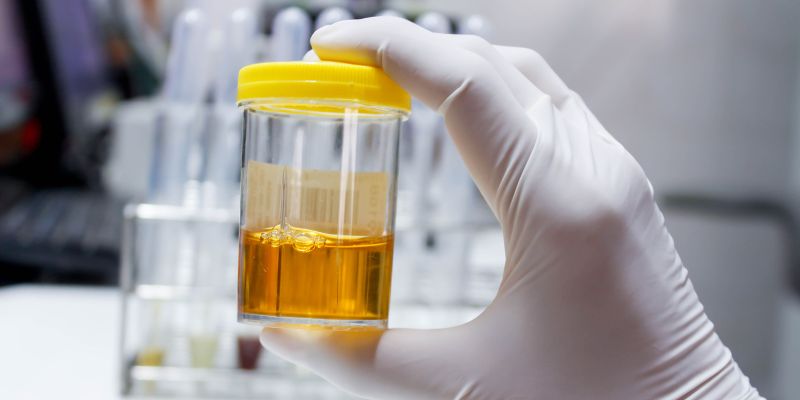
Okay, let’s get to the heart of the question: why does rifampin make your urine look like it’s straight out of a citrus juice bottle? When I first learned about this, I was both intrigued and a bit weirded out! The reason is pretty straightforward. Rifampin has a reddish-orange pigment, and when your body processes the drug, this pigment gets excreted through your urine, sweat, saliva, and even tears. It’s not just your urine that might change color—your sweat, tears, and saliva can take on that same vibrant hue.
This color change happens because rifampin is widely distributed throughout your body. After you take it, the drug spreads to your organs and body fluids, carrying that reddish-orange tint with it. About 30% of the drug is eliminated through your urine, which is why the color change is most noticeable when you visit the bathroom. The first time I heard about this, I couldn’t help but wonder if it was harmful. Spoiler alert: it’s not! This side effect is completely harmless and goes away once you stop taking the medication. But it can definitely be startling if you’re not expecting it!
Is the Orange Urine Harmful?
When I first read about rifampin’s effect on urine color, my immediate thought was, “Is this normal? Should I be worried?” If you’re asking the same thing, let me put your mind at ease. The orange or reddish-brown color in your urine is a normal, expected side effect of rifampin. It doesn’t mean something’s wrong with your kidneys or that you’re bleeding. It’s just the drug’s pigment doing its thing.
However, there’s a small catch. While the orange urine itself isn’t harmful, dark urine paired with other symptoms—like yellowing of your skin or eyes, stomach pain, or fatigue—could point to a more serious issue, like liver problems. Rifampin can sometimes affect your liver, so doctors often monitor your liver function with blood tests while you’re on it. If you notice any of these symptoms, it’s worth giving your doctor a call right away. But on its own, orange urine is just a quirky, harmless side effect that comes with the territory.
Other Body Fluids That Might Change Color
Here’s where things get even more interesting. Rifampin doesn’t just stop at turning your urine orange. It can also affect other body fluids, which caught me by surprise when I first learned about it. Your sweat, saliva, tears, and even sputum (the stuff you cough up) can take on that same reddish-orange tint. I remember thinking, “Wow, this drug really leaves its mark!”
This can lead to some unexpected situations. For example, your sweat might stain light-colored clothing, so you might want to stick to darker shirts while you’re on rifampin. If you wear soft contact lenses, be careful—those tears can permanently stain them. I learned the hard way that it’s best to switch to glasses or hard contact lenses while taking this medication. The good news? These changes are temporary and will stop once you finish your treatment. It’s just one of those things that makes rifampin unique.
How to Manage the Side Effects of Rifampin
When I started digging into rifampin, I realized it’s not just about the colorful urine. Like any medication, it comes with a range of side effects, and knowing how to manage them can make your experience a lot smoother. Besides the orange urine, some common side effects include nausea, vomiting, diarrhea, and heartburn. These can be annoying, but they’re usually mild and manageable.
Here’s what I’ve learned about handling these side effects:
- Take it with food: If nausea or heartburn is bothering you, try taking rifampin with a small meal. Just make sure to take it at least an hour before or two hours after a big meal, as food can reduce how well your body absorbs the drug.
- Stay hydrated: Drinking plenty of water can help with mild side effects like diarrhea and keep you feeling better overall.
- Protect your clothes and contacts: Since your sweat and tears can turn orange, stick to darker clothing and avoid soft contact lenses to prevent staining.
- Talk to your doctor: If side effects like nausea or fatigue are really bothering you, let your doctor know. They might adjust your dose or suggest ways to ease the discomfort.
One thing I found reassuring is that most of these side effects go away once your treatment is done. But if you experience anything severe, like a rash, trouble breathing, or yellowing of your skin, don’t wait—call your doctor right away. These could be signs of rare but serious side effects like liver damage or an allergic reaction.
How Long Does the Orange Urine Last?
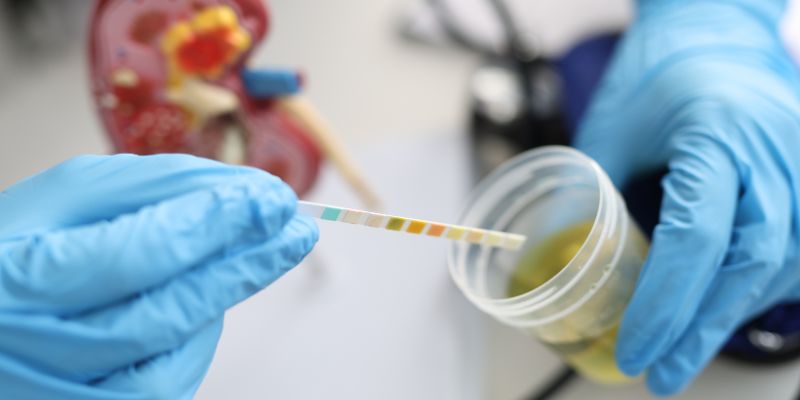
One question I had when researching rifampin was, “How long will my urine stay orange?” The answer depends on how long you’re taking the medication. As long as you’re on rifampin, your urine (and other body fluids) will likely keep that orange hue. It’s most noticeable in the first few pees of the day, especially if you take your dose in the morning. Some people even use the orange color as a reminder that they took their medication for the day!
Once you stop taking rifampin, the color should return to normal within a few days as your body clears the drug. For me, this was a relief to know—it’s not like your urine will stay orange forever! Just be patient, and things will go back to normal once your treatment is complete.
Can Rifampin Affect Other Medications?
One thing that really stood out to me when I was learning about rifampin is how it can interact with other medications. Rifampin is a bit of a troublemaker in this department because it speeds up your liver’s ability to process certain drugs. This means it can make other medications less effective. For example, if you’re on birth control pills, rifampin might reduce their effectiveness, so you’ll need to use a backup method like condoms to avoid pregnancy.
Other medications that can be affected include blood thinners like warfarin, some HIV medications, and certain antiseizure drugs. I remember feeling a bit overwhelmed by this at first, but it’s really just a matter of being open with your doctor. Before starting rifampin, make sure to tell your healthcare provider about every medication, supplement, or herbal product you’re taking. They can adjust your treatment plan to avoid any issues.
Tips for Taking Rifampin Safely
Taking rifampin the right way is super important to make sure it works and to avoid any unnecessary problems. Here are some tips I’ve picked up along the way:
- Stick to the schedule: Rifampin works best when you take it consistently at the same time every day. Missing doses or stopping early can make the infection harder to treat.
- Avoid alcohol: Drinking alcohol while on rifampin can increase your risk of liver problems. I found it easiest to cut out alcohol completely during treatment.
- Store it properly: Keep rifampin capsules at room temperature, away from heat and moisture. If you’re using the liquid form, check the expiration date and store it as directed.
- Get regular checkups: Your doctor will likely want to monitor your liver function and blood counts with regular tests. Don’t skip these appointments—they’re important for catching any issues early.
Following these tips can help you get through your treatment with as few hiccups as possible. It’s all about staying proactive and keeping the lines of communication open with your healthcare team.
What to Expect During Treatment
When I was researching rifampin, I wanted to know what the whole treatment process would feel like. If you’re taking rifampin, you might be on it for several months, depending on the condition being treated. For example, TB treatment can last six months or more, while preventive treatment for meningitis might only be a few days. Knowing what to expect can help you feel more prepared.
You’ll likely take rifampin once a day, either by mouth or through an IV if you’re in a hospital. The orange urine and other body fluid changes will probably start within a day or two of your first dose. You might also notice mild side effects like nausea or fatigue, especially in the first couple of weeks as your body adjusts. For me, hearing from others who’d been through it was reassuring—most people tolerate rifampin well, and the side effects settle down over time.
Your doctor will keep an eye on you with regular blood tests to check your liver and blood counts. They’ll also ask about any symptoms you’re experiencing, so be honest about how you’re feeling. The more information you share, the better they can support you.
A Quick Look at Rifampin’s Side Effects
To make things easier, I’ve put together a table summarizing rifampin’s side effects, including the orange urine we’ve been talking about. This way, you can see at a glance what to expect and when to take action.
| Side Effect | Description | What to Do |
|---|---|---|
| Orange urine, sweat, tears | Harmless reddish-orange discoloration of body fluids due to rifampin’s pigment. | No action needed; avoid soft contact lenses and light-colored clothing. |
| Nausea, vomiting, heartburn | Common gastrointestinal issues, usually mild. | Take with food; stay hydrated; talk to your doctor if severe. |
| Diarrhea | Uncommon but possible; may require testing for other causes if severe. | Stay hydrated; contact your doctor if it’s persistent or severe. |
| Liver problems | Rare but serious; symptoms include yellow skin/eyes, dark urine, or fatigue. | Call your doctor immediately if you notice these symptoms. |
| Allergic reactions | Rare; includes rash, itching, swelling, or trouble breathing. | Seek emergency care if you experience these symptoms. |
| Blood disorders | Rare; may cause unusual bruising, bleeding, or fatigue. | Report to your doctor; seek emergency care for severe bleeding. |
This table covers the main side effects, but always talk to your doctor if you’re unsure about something you’re experiencing.
Why It’s Important to Finish Your Rifampin Treatment
One thing I can’t stress enough is the importance of finishing your full course of rifampin. When I was looking into this, I learned that stopping the medication early can be a big mistake. If you’re being treated for something like TB, skipping doses or stopping too soon can make the bacteria resistant to the drug. That means the infection could come back stronger and be much harder to treat.
Even if you start feeling better or the side effects are annoying, keep taking rifampin until your doctor says it’s okay to stop. I found it helpful to set a daily reminder on my phone to make sure I didn’t miss a dose. It’s a small effort that can make a big difference in getting rid of the infection for good.
My Personal Takeaway from Exploring Rifampin
After diving deep into the world of rifampin, I’ve come to appreciate how fascinating (and sometimes weird!) medications can be. The orange urine thing might sound alarming at first, but it’s just a harmless quirk of this powerful antibiotic. What I love about learning this stuff is how it demystifies the experience of taking medication. Knowing what to expect—like the color changes, mild side effects, or the importance of sticking to your treatment—makes the whole process feel less intimidating.
If you’re starting rifampin, my advice is to talk to your doctor about any concerns, keep an eye on how you’re feeling, and maybe have a laugh about your neon-orange pee. It’s a small price to pay for getting rid of a serious infection. And who knows? You might even find it kind of cool, like I did!
Conclusion
Well, there you have it—a full rundown on rifampin and its colorful side effect of turning your urine orange. I hope this deep dive has answered all your questions and given you a sense of confidence if you’re taking this medication. From my own journey exploring this topic, I’ve learned that rifampin is a lifesaver for serious infections, and the orange urine is just a quirky part of the package. It’s harmless, temporary, and honestly, a bit of a conversation starter!
If you’re on rifampin or about to start, don’t let the side effects scare you. Stay in touch with your doctor, follow their advice, and keep up with your treatment plan. You’ve got this! And if you notice that bright orange hue in the bathroom, just smile and remember—it’s just rifampin doing its job. Thanks for joining me on this colorful journey, and here’s to staying healthy and informed!
Frequently Asked Questions
Why does rifampin turn my urine orange?
Rifampin has a reddish-orange pigment that gets excreted through your urine, sweat, saliva, and tears. This causes the bright orange color you see in your urine. It’s a normal, harmless side effect and will stop once you finish taking the medication.
Is orange urine from rifampin dangerous?
No, orange urine from rifampin is not dangerous. It’s just the drug’s pigment being excreted by your body. However, if your urine is dark and you have symptoms like yellowing skin, stomach pain, or fatigue, contact your doctor, as these could signal liver issues.
Can rifampin change the color of other body fluids?
Yes, rifampin can turn your sweat, saliva, tears, and sputum a reddish-orange color. This might stain light-colored clothing or soft contact lenses, so it’s best to avoid them while taking the medication.
How long will my urine stay orange while taking rifampin?
Your urine will likely stay orange for as long as you’re taking rifampin, especially in the first few pees of the day. The color should return to normal within a few days after you stop the medication.
Can rifampin affect my birth control?
Yes, rifampin can make hormonal birth control, like pills, less effective. If you’re on birth control, use a backup method like condoms while taking rifampin to prevent pregnancy. Talk to your doctor for advice.
What should I do if I experience side effects from rifampin?
For mild side effects like nausea or diarrhea, try taking rifampin with food and staying hydrated. If you have severe symptoms like a rash, trouble breathing, or yellowing skin, call your doctor or seek emergency care right away.
How can I avoid staining my clothes or contact lenses?
To prevent staining, wear darker clothing, as rifampin can make your sweat orange. Avoid soft contact lenses, as your tears can permanently stain them. Switching to glasses or hard contact lenses is a good idea during treatment.