
Have you ever wondered what water softeners really do? You might have heard that they make your water feel smoother and help your appliances last longer.
But do they actually filter your water? Understanding the role of water softeners can be a game-changer for your home and health. Imagine the benefits of having crystal-clear water flowing through your taps, free from pesky minerals that clog pipes and stain clothes.
Dive in as we explore whether water softeners are the secret to pure, filtered water. This could be the solution you’ve been looking for to enhance your everyday living. Keep reading, and let’s uncover the truth together!
What Are Water Softeners?
Water softeners help make water gentle. They remove minerals like calcium and magnesium. These minerals make water hard. Hard water can cause problems. It can make soaps less bubbly. It also leaves spots on dishes.
Water softeners use a special process. This process is called ion exchange. Tiny beads in the softener trap the minerals. The water that comes out is softer. It feels better on skin and hair.
Many homes use water softeners. They help protect pipes and appliances. Softer water is easier on clothes. It can even taste better. Water softeners are very helpful.
How Water Softeners Work
Water softeners remove hard minerals like calcium and magnesium. These minerals make water “hard.” The process is called ion exchange. It swaps hard minerals with sodium ions. This makes water soft. Hard water can cause problems in homes. It can damage pipes and appliances. Soft water is better for cleaning. It uses less soap and cleans clothes well.
Resin beads play a big role in water softeners. They are tiny and round. Resin beads hold sodium ions. Hard water passes through the beads. The beads swap calcium and magnesium with sodium. This makes the water soft. Resin beads need a recharge. Salt is used for this recharge. The salt replaces lost sodium ions. This keeps the water softener working well.
Difference Between Softening And Filtering
Water softeners remove minerals like calcium and magnesium, while filters target impurities like chlorine and sediments. Softening changes water composition; filtering enhances taste and safety. Both processes improve water quality but serve distinct purposes.
What Softening Removes
Water softeners focus on removing minerals like calcium and magnesium. These minerals cause hard water. Hard water leads to scale buildup in pipes and appliances. Softeners replace these minerals with sodium or potassium ions. This makes water feel smooth. Soft water helps soaps and shampoos lather better. Clothes washed in soft water feel softer. Hard water can stain sinks and tubs.
What Filtering Removes
Filters remove contaminants from water. These include dirt, bacteria, and chemicals. Filters can catch chlorine and lead. Some filters can remove pesticides and pharmaceuticals. Filtering makes water taste better. Clean water is safe for drinking. Filters need changing often. This keeps them working well. Different filters remove different things. Know what your water needs.

Credit: rkin.com
Types Of Water Filtration Systems
These filters are very common. They help remove bad smells and tastes. They trap impurities like chlorine. This makes water taste better. They are easy to use. Many homes have them. They are not expensive. But, they need regular replacement.
This system uses a special membrane. It removes tiny impurities. Like salts and minerals. Water passes through the membrane. It becomes very clean. People like this system a lot. But, it can waste some water. It is also more costly than others.
These filters catch dirt and sand. They are often the first filter in a system. They protect other filters from clogging. This makes them last longer. Sediment filters are simple and cheap. They help keep water clear. Many homes use them with other filters.
Do Water Softeners Purify Water?
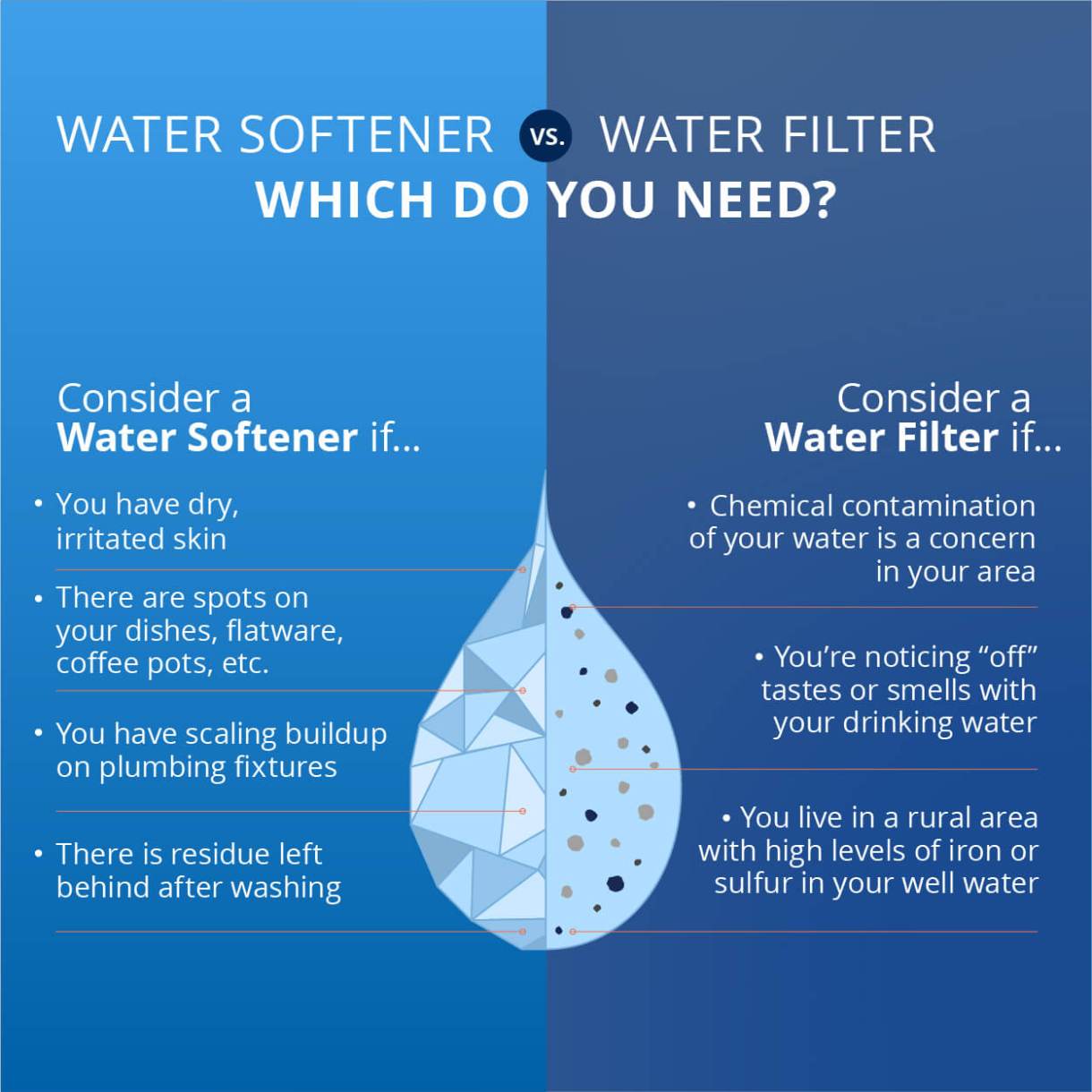
Water softeners do not purify water. They remove minerals like calcium and magnesium. These minerals make water hard. Softening water helps in soap and cleaning. But it does not make water clean to drink. Contaminants like bacteria, viruses, and chemicals stay in the water. Water softeners do not filter these harmful things. For pure drinking water, other solutions are needed.
Contaminants Not Addressed
Water softeners leave many contaminants. They do not remove bacteria or germs. Chemicals like chlorine stay in the water. Heavy metals like lead also remain. These things can be harmful. Soft water is not always safe to drink. It’s important to use other systems for safe water.
Supplementary Systems Needed
A water softener is not enough for clean drinking water. You need other systems. A water filter can remove bad stuff. Reverse osmosis filters are good. They make water cleaner. Use filters with softeners for better water. This way, your water will be safe to drink.
Credit: www.culligan.com
Benefits Of Using Water Softeners
Hard water leaves scale on pipes and taps. This scale makes water flow slow. Water softeners stop this build-up. No more white spots on your dishes. Clean sinks and shiny taps.
Machines last longer with soft water. Hard water causes damage to washing machines. It clogs dishwashers too. Softeners help them work better. Less repair costs and less stress.
Soap works best with soft water. Less soap is needed to clean. Clothes feel soft and clean. Skin feels smooth and fresh. Soft water makes bathing fun and easy.
Common Myths About Water Softeners
Many believe water softeners make water safe to drink. This is not true. Softeners mainly remove hard minerals. They do not filter out bacteria or chemicals. Always use a proper filter for safe drinking water. Softened water may taste better. But it’s not safer for health.
Water softeners do not remove all impurities. They mainly target minerals like calcium and magnesium. Other harmful substances like lead or chlorine remain. To remove these, you need a filter. A softener and a filter do different jobs. Understanding this helps in choosing the right system for home.
Choosing The Right System For Your Needs
Assessing Water Quality is crucial. Know the minerals and impurities present. Hard water contains calcium and magnesium. These minerals affect taste and cleanliness. Test kits help identify water issues. Use results to guide your decision.
Considering Family Health Concerns is important. Hard water impacts skin and hair health. Sensitive skin needs softer water. Some systems add salt, which can affect sodium intake. Choose wisely for your family’s well-being.
Evaluating Cost and Maintenance matters. Water softeners vary in price. Initial costs can be high, but maintenance costs add up. Compare different systems. Check filter replacement costs. Consider long-term expenses. Choose a system that fits your budget.
Frequently Asked Questions
Do Water Softeners Filter Drinking Water?
Water softeners don’t filter drinking water. They remove minerals like calcium and magnesium that cause hardness. Softened water is safe for drinking, but it doesn’t eliminate contaminants. For clean drinking water, use a separate filtration system. Combining both systems ensures mineral-free and contaminant-free water.
What Is The Downside Of A Water Softener?
Water softeners remove essential minerals like calcium and magnesium from water. They can increase sodium levels, impacting taste. Their maintenance and operational costs may be high. Softened water isn’t suitable for drinking or watering plants. Discharging brine can harm the environment.
They might also reduce water heater efficiency.
Does A Water Softener Clean The Water?
A water softener removes minerals like calcium and magnesium from water. It does not clean or purify water. This process prevents scale buildup in pipes and appliances. For removing impurities or contaminants, consider using a water filter.
What’s The Difference Between Water Filtration And Water Softener?
Water filtration removes impurities like sediment, bacteria, and chemicals. Water softeners address hard water by reducing minerals like calcium and magnesium. Both improve water quality but serve different purposes. Filtration focuses on contaminants, while softening targets mineral buildup.
Conclusion
Water softeners don’t actually filter water. They remove minerals that cause hardness. This makes water feel smooth and soap lather better. But they don’t remove contaminants like chlorine or bacteria. For drinking water, consider a separate filter. A combined system may offer more benefits.
Think about your specific water needs. Soft water is great for appliances. But clean drinking water is essential too. Choose wisely based on your household needs. Understanding each system helps make better choices. Your water quality and health matter most.