
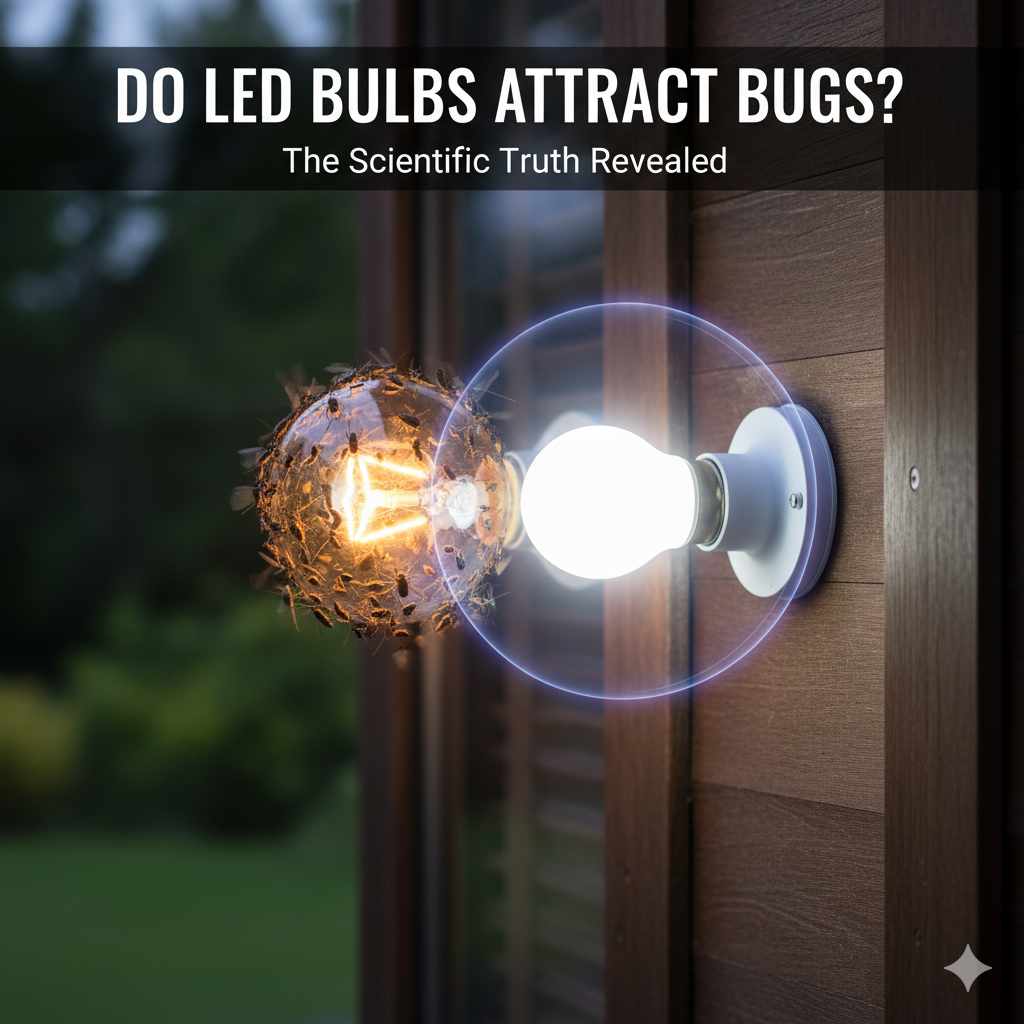
Do LED bulbs attract bugs? The short answer is: generally, no, far less than traditional bulbs. While no light source can be completely bug-free, LEDs emit very little heat and a spectrum of light that is less appealing to most insects, making them a much better choice for keeping bugs away.
Hey there, fellow home improvers! Ever find yourself swatting away a swarm of tiny visitors every time you flip on a light, especially outdoors? It’s a common frustration, and one that many of us face. You might be wondering if the type of light bulb you’re using is making the problem worse. Well, you’ve come to the right place! Today, we’re diving into the buzzing question: do LED bulbs attract bugs? We’ll break down the science in a way that’s easy to understand, so you can make informed choices for your home and enjoy your evenings bug-free. Get ready to shed some light on this mystery!
Understanding Why Bugs Are Drawn to Light
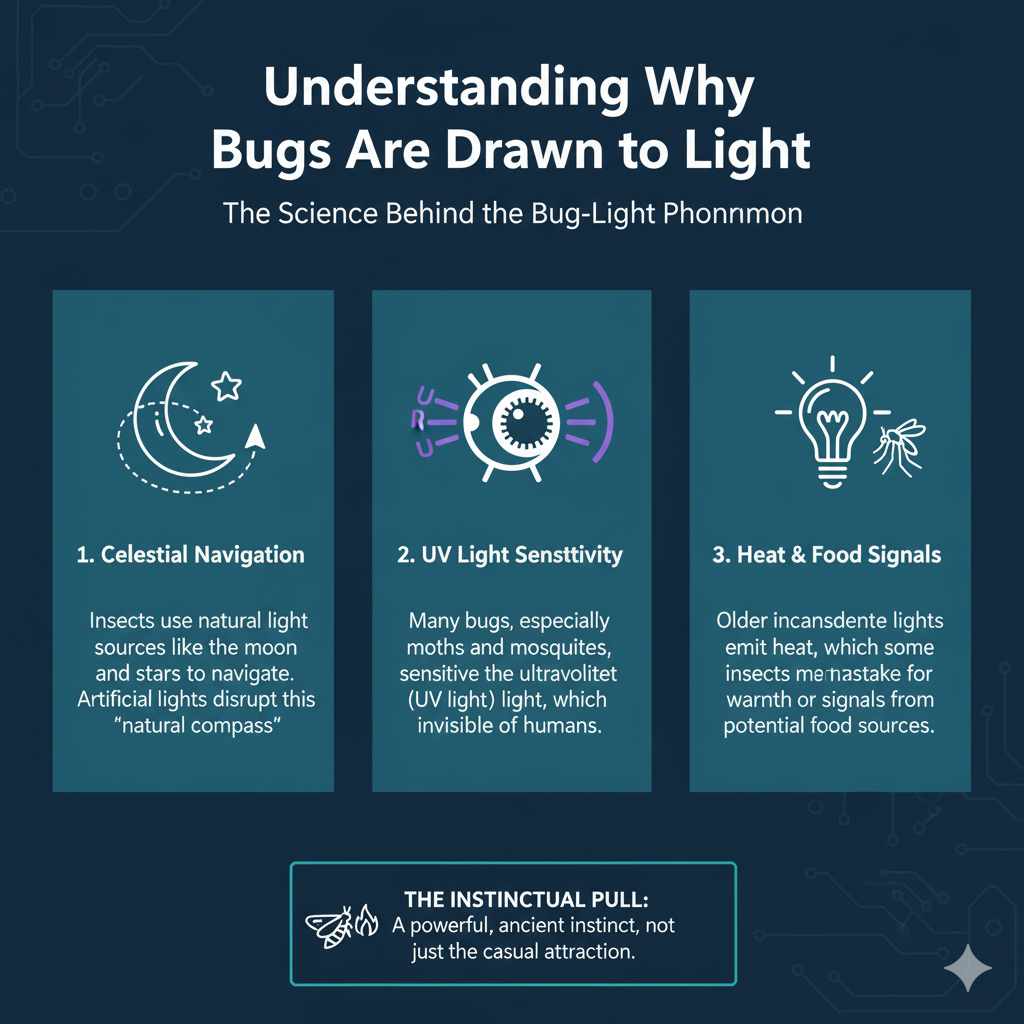
Before we get to LEDs, let’s quickly touch on why bugs seem to love lights in the first place. It’s not just about a friendly glow; bugs are actually using light sources for navigation and finding food. Many insects have compound eyes that are sensitive to ultraviolet (UV) light, and they use the moon or stars to orient themselves. Artificial lights can disrupt this natural compass, leading them astray. Additionally, some lights, especially older types, emit heat, which can attract insects looking for warmth or signaling the presence of food sources.
Think of it like a moth to a flame – it’s a powerful, instinctual pull. Understanding this helps us see why different types of bulbs might have different effects on our insect neighbors.
The Science Behind Bug Attraction to Different Bulbs
The main reasons bugs are attracted to lights are the heat and the light spectrum they emit. Different types of light bulbs produce these in varying amounts, which is why some are more of a bug magnet than others.
Incandescent Bulbs: The Bug Magnets
Incandescent bulbs are the classic, old-school bulbs that work by heating a filament until it glows. This process generates a lot of heat and emits a broad spectrum of light, including UV rays. Bugs are drawn to both the warmth and the light. If you’ve ever seen a porch light surrounded by a cloud of insects, it’s often an incandescent bulb at work.
Halogen Bulbs: A Step Better, But Still Attractive
Halogen bulbs are a type of incandescent bulb. They are a bit more energy-efficient and produce slightly less heat than standard incandescents, but they still emit a significant amount of heat and UV light, making them attractive to insects.
Fluorescent Bulbs (CFLs): Mixed Results
Compact Fluorescent Lamps (CFLs) are more energy-efficient than incandescents and produce less heat. However, some CFLs still emit small amounts of UV light, which can attract certain types of insects. The quality and design of the CFL can influence how attractive it is to bugs.
LED Bulbs: The Bug-Resistant Choice
Light Emitting Diodes (LEDs) are semiconductors that produce light when an electric current passes through them. They are incredibly energy-efficient and produce very little heat. Crucially, most LEDs emit very little to no UV light. This combination of low heat and a less attractive light spectrum is why LEDs are significantly less likely to attract bugs.
This is a big win for us! Less heat means a cooler porch, and less UV means fewer curious critters buzzing around. It’s a simple change that can make a big difference in your outdoor enjoyment.
Do LED Bulbs Attract Bugs? The Essential Facts
Let’s get straight to the point. When we talk about whether LED bulbs attract bugs, we need to consider a few key factors:
- Heat Emission: Bugs are often drawn to heat sources. Traditional bulbs like incandescents get very hot. LEDs, on the other hand, produce minimal heat. This is a major reason why they are less attractive to insects.
- Light Spectrum: Many insects navigate using UV light. Traditional bulbs often emit UV rays, which act like a beacon. Most LEDs do not emit UV light, or they emit it in very small, often filtered amounts.
- Brightness and Wavelength: While all lights can attract some bugs, the specific wavelengths of light are important. Insects are generally less attracted to the specific wavelengths emitted by LEDs compared to older lighting technologies.
So, to reiterate: LED bulbs attract significantly fewer bugs than incandescent, halogen, or even some fluorescent lights. This is due to their low heat output and the absence of most UV light in their spectrum.
Comparing Light Bulbs and Bug Attraction
To make this even clearer, let’s look at how different bulb types stack up when it comes to attracting insects. This table should give you a good visual!
| Bulb Type | Heat Emission | UV Light Emission | Bug Attraction Level |
|---|---|---|---|
| Incandescent | Very High | High | Very High |
| Halogen | High | Moderate to High | High |
| CFL (Fluorescent) | Low to Moderate | Low (can vary) | Moderate |
| LED | Very Low | Very Low to None | Low |
As you can see, LEDs are the clear winner when it comes to minimizing bug attraction. This makes them an excellent choice for outdoor lighting, porches, patios, and even indoor areas where you might notice more insects.
Choosing the Right LED for Bug-Free Evenings
While LEDs are generally better, there are still ways to optimize your lighting to further reduce bug attraction. The color temperature of the light plays a role.
Warm White vs. Cool White LEDs
Insects are generally more attracted to shorter wavelengths of light, which are found in cooler color temperatures (bluish-white light). They are less attracted to longer wavelengths, which are found in warmer color temperatures (yellowish-white light).
- Cool White (3500K and above): These lights have a bluer hue and can attract more insects than warm white LEDs.
- Warm White (2700K – 3000K): These lights have a softer, more yellowish glow and are generally less attractive to bugs. This is the color temperature most often recommended for reducing insect attraction.
- Bug Lights (Yellow/Amber LEDs): Special “bug lights” are available. These emit light in the amber or yellow spectrum, which is almost invisible to most insects. While not as bright as standard LEDs, they are highly effective at keeping bugs away.
For the best results, opt for warm white LEDs (around 2700K) or specifically designed yellow/amber LED bug lights for areas where bug attraction is a concern.
Where to Use Bug-Resistant LED Lighting
Considering the facts, you’ll want to strategically place your bug-friendly LEDs:
Outdoor Spaces
- Porch and Patio Lights: These are prime spots for insect congregation. Switching to warm white or amber LEDs can make a huge difference.
- Garden and Landscape Lighting: Use LEDs to illuminate pathways and garden features without drawing unwanted pests.
- Garage and Shed Lighting: Keep these areas less inviting to bugs, especially if you store items that might attract them.
- Deck Lighting: Enjoy your deck without a constant swarm.
Indoor Areas
While less critical, if you have issues with insects entering your home near light sources, using warmer LEDs can help:
- Entryway Lights: Near doors where insects might be drawn in.
- Overhead Lights: In rooms where you notice more insect activity.
Beyond Lighting: Other Ways to Deter Bugs
While LEDs are a great step, they aren’t a magic bullet. Here are a few other tips to keep bugs at bay:
- Reduce Standing Water: Mosquitoes breed in stagnant water. Empty bird baths, clean gutters, and ensure proper drainage around your home.
- Seal Entry Points: Check for gaps around windows, doors, and foundations. Seal them to prevent insects from entering. For example, you can use caulk or weatherstripping. Visit the U.S. Environmental Protection Agency (EPA) for more on integrated pest management.
- Keep Outdoor Areas Clean: Remove leaf litter, debris, and overgrowth where insects can hide.
- Use Fans: Moving air from a fan can deter flying insects like mosquitoes and gnats.
- Consider Natural Repellents: Some plants, like citronella, lavender, and marigolds, are known to repel certain insects.
Combining these strategies with your new LED lighting will create a much more comfortable environment around your home.
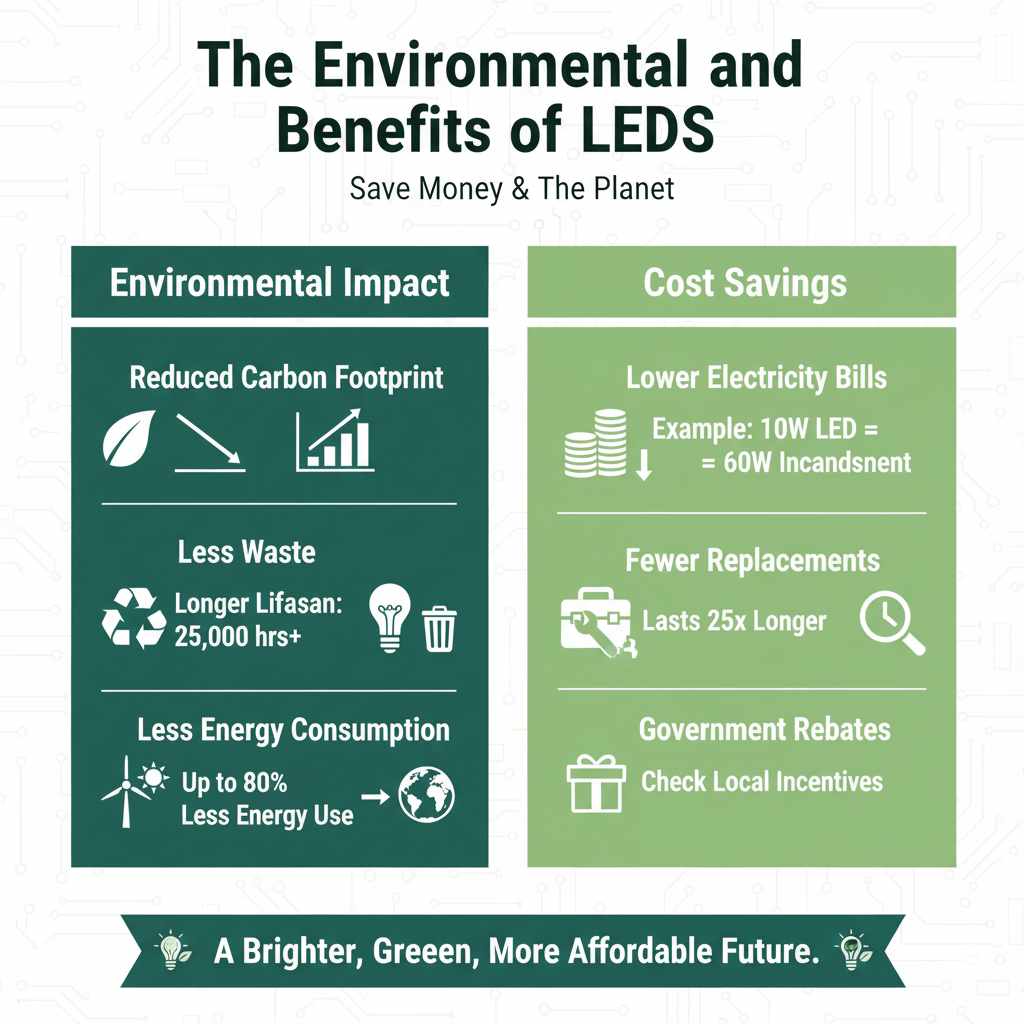
The Environmental and Cost Benefits of LEDs
Switching to LEDs isn’t just about bug reduction; it’s also a smart choice for your wallet and the planet.
Energy Efficiency
LEDs use significantly less energy than incandescent bulbs. They can use up to 80% less energy, which translates directly into lower electricity bills. For example, a 10-watt LED can produce the same amount of light as a 60-watt incandescent bulb.
Long Lifespan
LED bulbs last much longer than traditional bulbs. While an incandescent bulb might last around 1,000 hours, an LED can last 25,000 hours or more. This means fewer trips to the store to buy replacements and less waste.
Reduced Carbon Footprint
By using less energy, LEDs help reduce greenhouse gas emissions associated with electricity generation. Their longer lifespan also means less manufacturing and fewer bulbs ending up in landfills.
So, not only are you getting a bug-friendlier home, but you’re also saving money and doing your part for the environment. It’s a win-win-win!
Frequently Asked Questions (FAQ)
Do all LED bulbs repel bugs?
No, not all LED bulbs are designed to repel bugs, but they inherently attract far fewer bugs than older types of lighting. This is because they produce less heat and minimal UV light. For maximum bug deterrence, choose warm white (2700K-3000K) or specifically designed yellow/amber LED “bug lights.”
Are LED bug lights effective?
Yes, LED bug lights, which emit light in the yellow or amber spectrum, are very effective. Insects have a harder time seeing or are not attracted to these wavelengths, making them an excellent choice for areas where bug reduction is a priority.
Why do bugs like my new LED lights?
While LEDs attract fewer bugs, some insects might still be drawn to them, especially if the LEDs are very bright, have a cooler color temperature (bluish-white), or if other attractants like food or warmth are present. Even a small amount of UV light or heat can attract certain sensitive insects.
What color light attracts the fewest bugs?
Yellow, amber, and red light tend to attract the fewest bugs. Warm white LEDs (around 2700K) are a good compromise for general lighting, while dedicated yellow or amber LEDs are even better for minimizing attraction.
Should I replace all my outdoor lights with LEDs?
It’s highly recommended! Switching to LED bulbs, especially warm white or bug-specific yellow/amber LEDs, for all your outdoor lighting is one of the easiest and most effective ways to reduce insect problems around your home.
Do LED floodlights attract bugs?
LED floodlights can still attract bugs, though typically less than incandescent floodlights. The intensity and color temperature of the LED floodlight matter. For areas where bug attraction is a concern, opt for warmer color temperatures or specialized bug-repelling floodlights.
Are there any downsides to using LED bug lights?
The main “downside” is that yellow or amber light can sometimes appear dimmer or less appealing to human eyes compared to standard white light. However, for the purpose of deterring insects, their effectiveness outweighs this minor aesthetic difference for many people. You can learn more about light spectrums and insect behavior from resources like USDA Agricultural Research Service.
Conclusion: Light Up Your Life, Bug-Free!
So, there you have it! The answer to “Do LED bulbs attract bugs?” is a resounding “much less than traditional bulbs!” By understanding how heat and light spectrum affect insect behavior, we can make smart choices for our homes. LEDs, with their low heat output and minimal UV emission, are a fantastic upgrade. Choosing warm white or specialized bug lights will further enhance their bug-repelling qualities, allowing you to enjoy your outdoor spaces and indoor comfort with fewer buzzing visitors.
Making the switch is a simple yet effective way to improve your home environment, save energy, and reduce your carbon footprint. So go ahead, embrace the glow of LEDs, and enjoy a more peaceful, bug-free atmosphere. Happy lighting!